
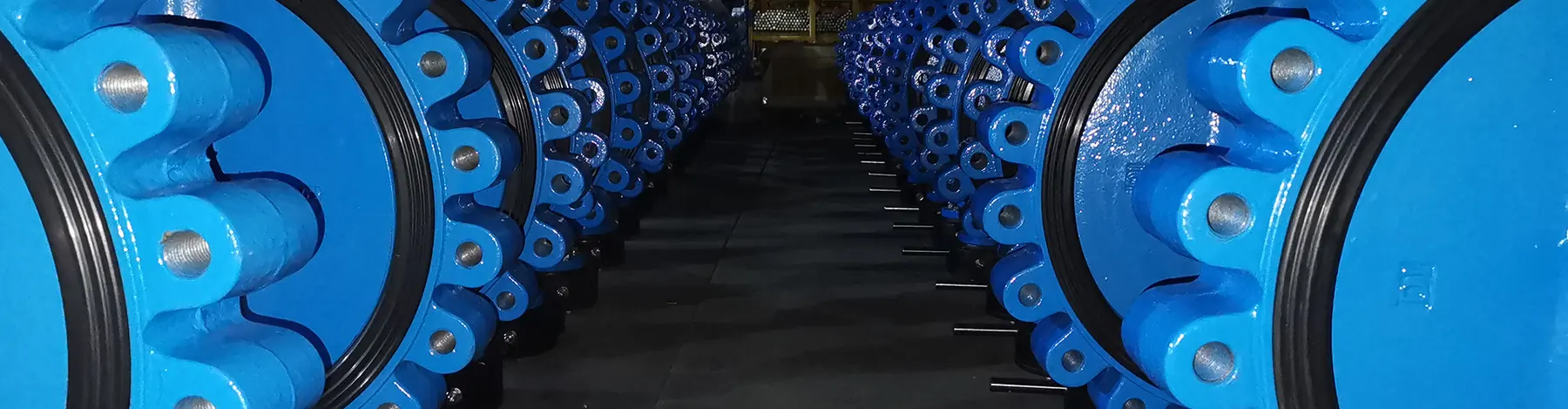
Expansion Joints Made in Tianjin China
Rubber expansion joints with threaded or flanged ends designed to absorb thermal expansion, vibration, and misalignment in industrial pipelines, used where rigid connections would cause stress or failure.
Expansion Joints Available From Stock Drawings
Model codes as they appear on our production drawings. Sizes and pressure ratings for each code are confirmed on quotation.
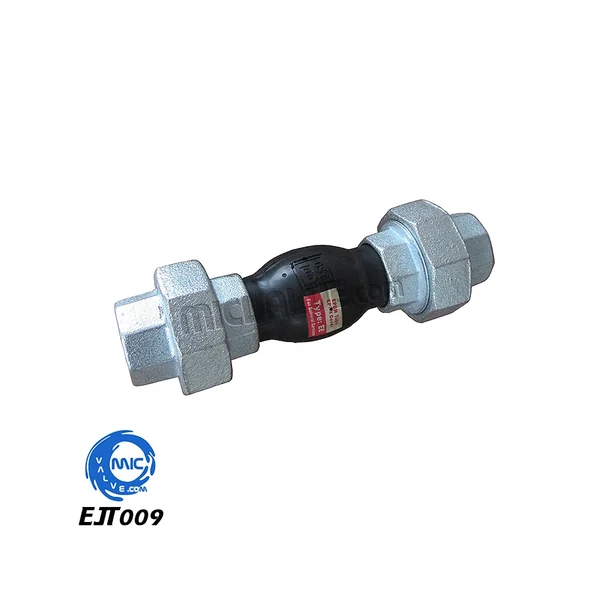
EJT009 Single Sphere Rubber Expansion Joint Thread Type
View Specification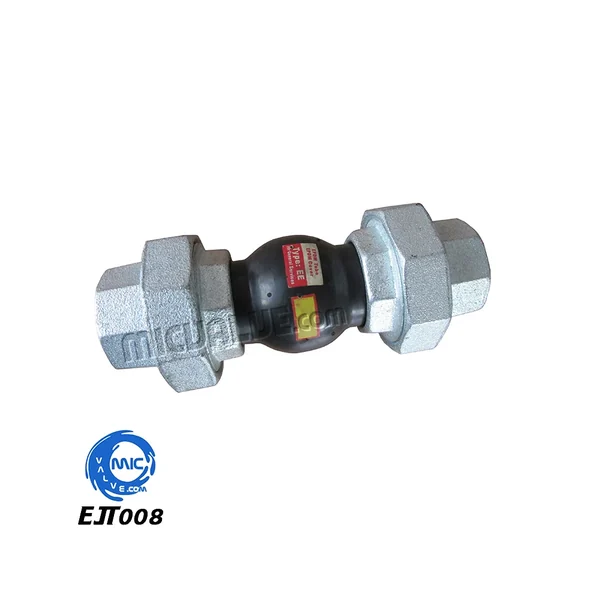
EJT008 Single Sphere Rubber Expansion Joint Thread Type
View Specification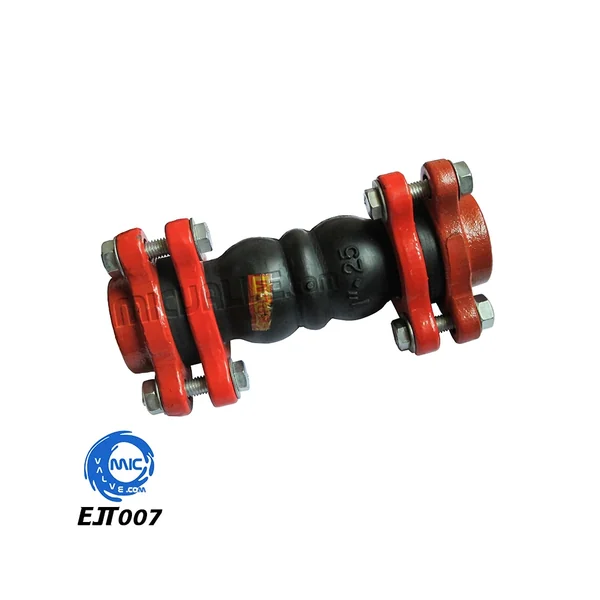
EJT007 Double Sphere Rubber Expansion Joint Thread Type
View Specification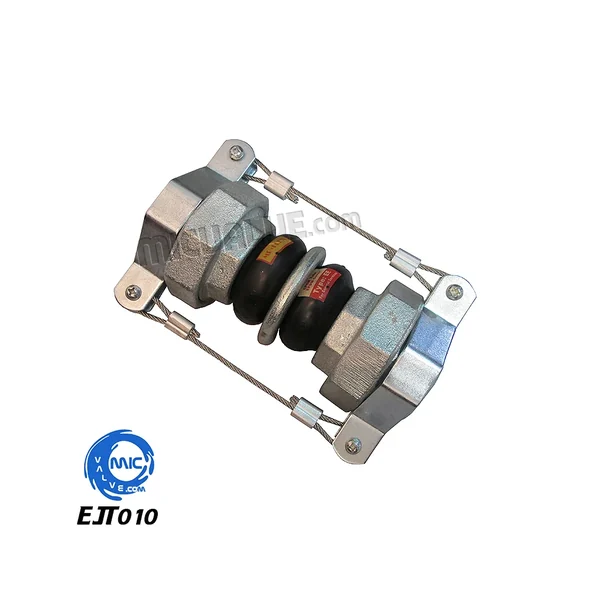
EJT010 Double Sphere Rubber Expansion Joint Thread Type
View Specification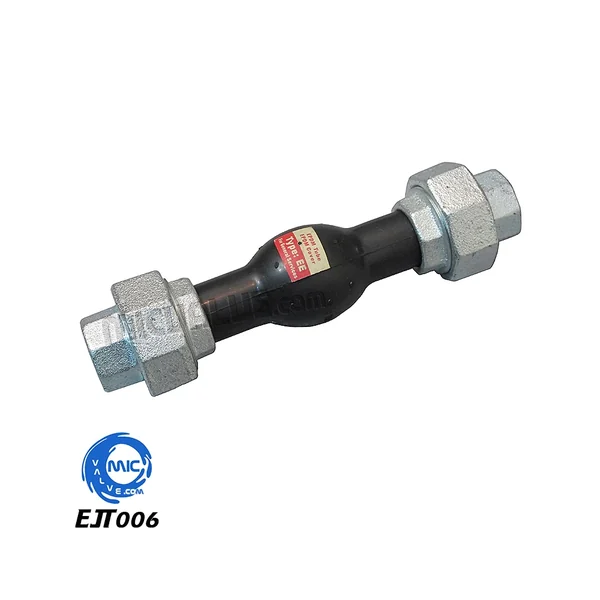
EJT006 Single Sphere Rubber Expansion Joint Thread Type
View Specification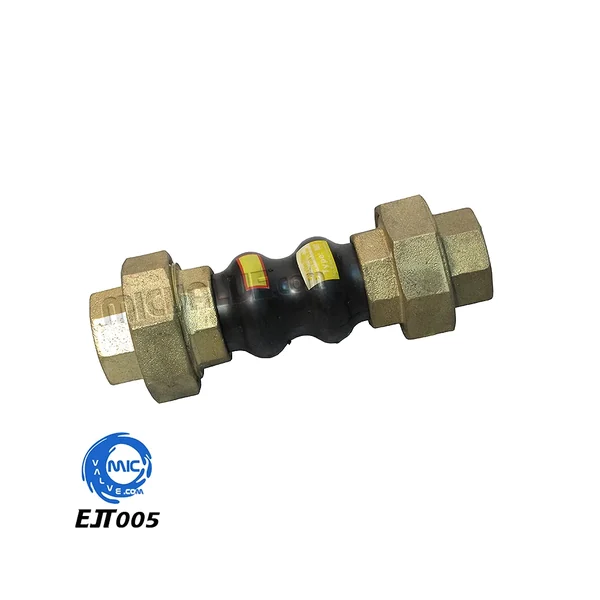
EJT005 Double Sphere Rubber Expansion Joint Thread Type
View Specification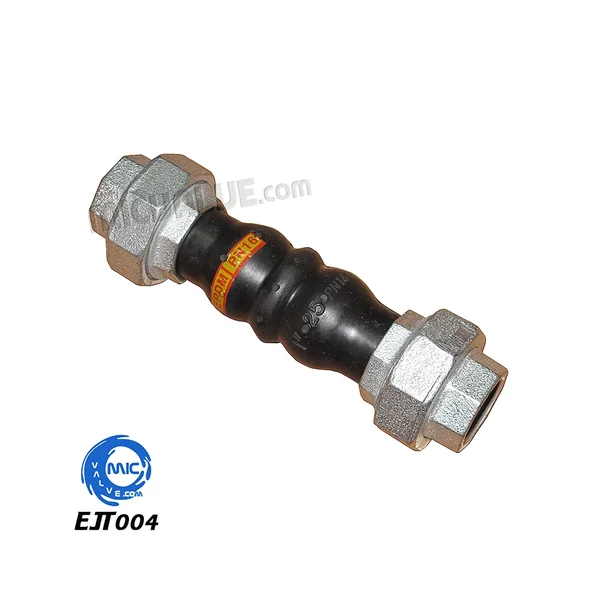
EJT004 Double Sphere Rubber Expansion Joint Thread Type
View Specification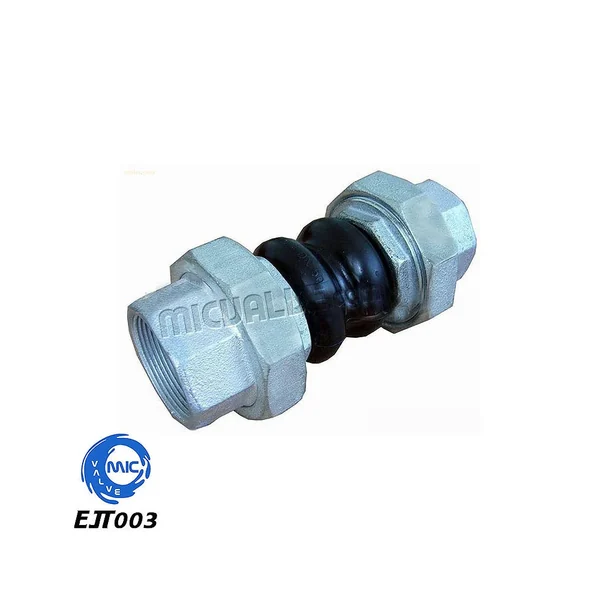
EJT003 Double Sphere Rubber Expansion Joint Thread Type
View Specification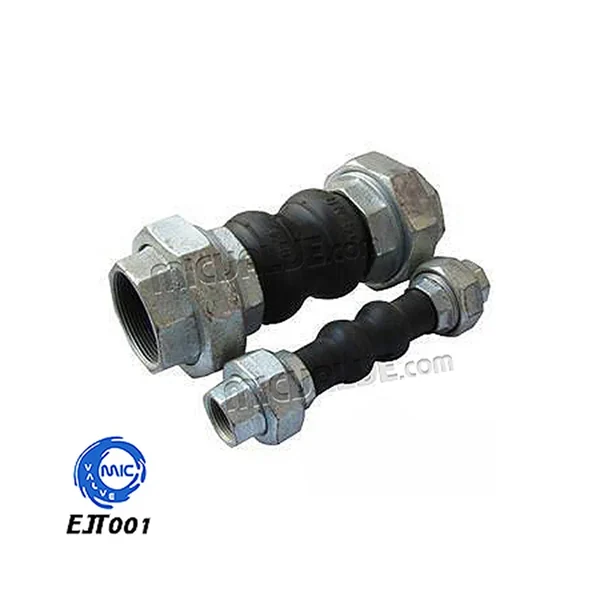
EJT001 Double Sphere Rubber Expansion Joint Thread Type
View Specification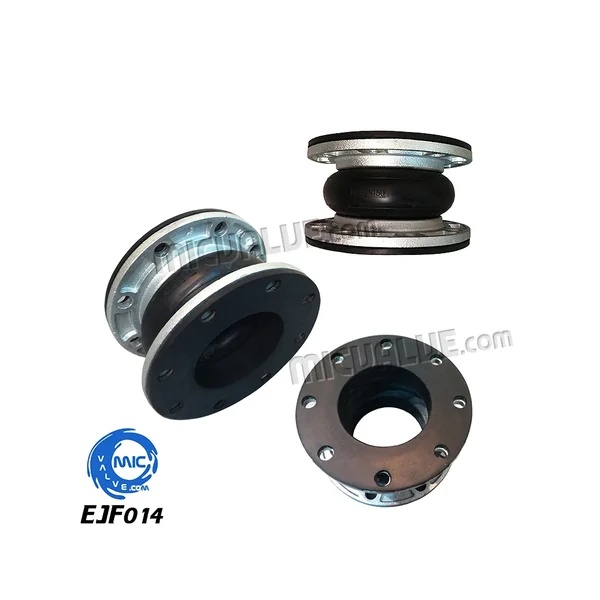
EJF014 Single Sphere Rubber Expansion Joint Flange Type
View Specification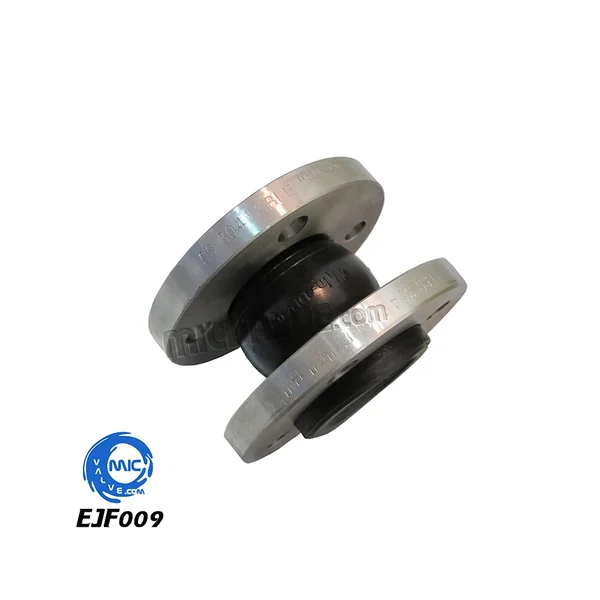
EJF009 Single Sphere Rubber Expansion Joint Flange Type
View Specification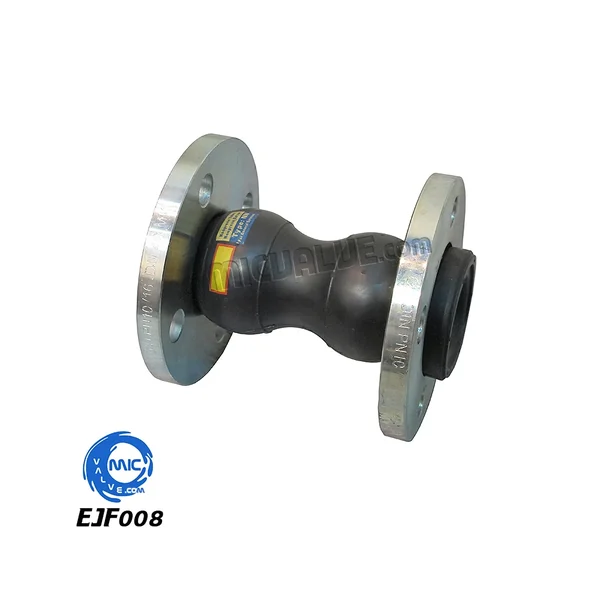
EJF008 Double Sphere Rubber Expansion Joint Flange Type
View Specification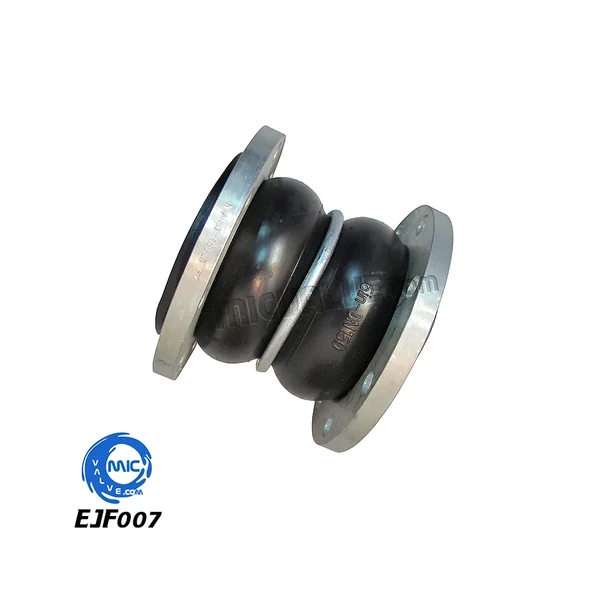
EJF007 Double Sphere Rubber Expansion Joint Flange Type
View Specification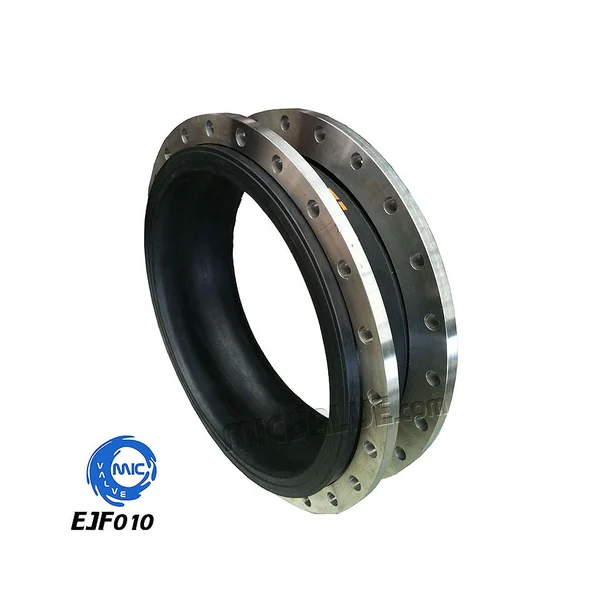
EJF010 Single Sphere Rubber Expansion Joint Flange Type
View Specification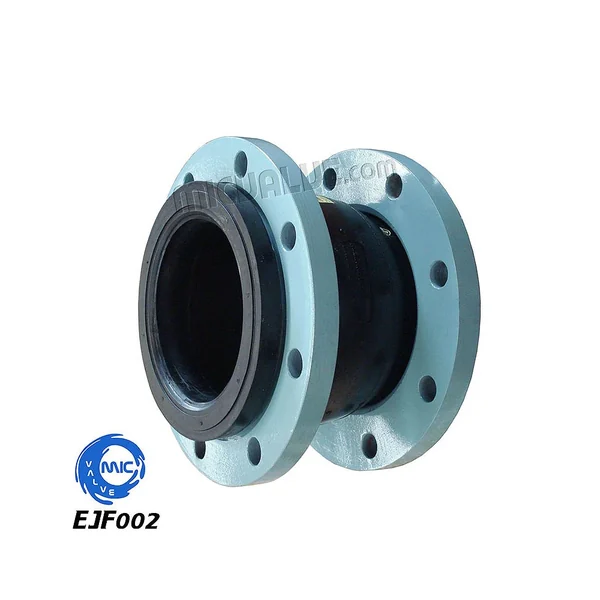
EJF002 Single Sphere Rubber Expansion Joint Cast Iron Flange
View Specification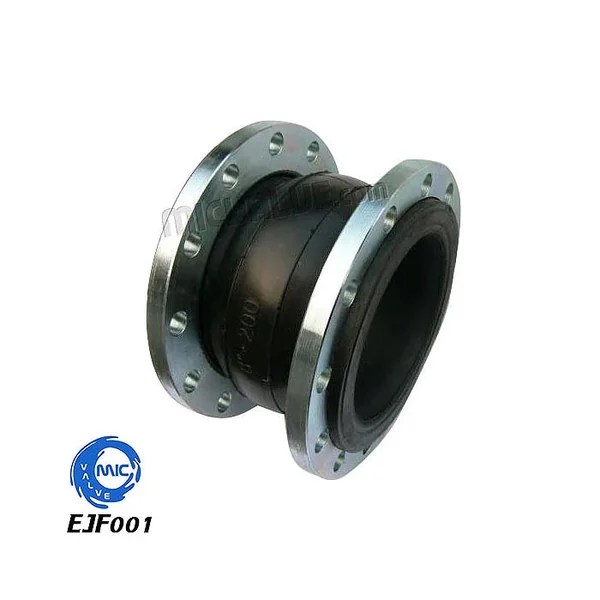
EJF001 Single Sphere Rubber Expansion Joint Carbon Steel Flange
View SpecificationBuyers This Category Suits
- Pipeline engineers specifying flexible connections in water and heating systems
- Plant maintenance teams replacing failed joints in power and chemical facilities
- Pump station builders needing vibration isolation in high-cycle systems
- Marine engineers installing flexible joints in shipboard piping under dynamic loads
- EPC contractors integrating expansion joints into large-scale industrial projects
What It Fixes on the Line
- Thermal expansion in long pipelines causes pipe stress and joint fatigue when no flexibility is built in
- Vibration from pumps or compressors transfers to connected equipment and causes premature wear
- Misalignment during installation or over time leads to leaks or pipe rupture
- Existing systems lack a flexible connection point for maintenance or retrofitting
- Rigid joints require complex supports and extra bracing, increasing installation cost and complexity
Why Engineers Specify This Family
Advantage
Threaded and flanged end types allow connection to existing pipe systems without welding
Advantage
Single and double sphere designs absorb axial, lateral, and angular movement as per standard requirements
Advantage
Rubber construction provides high flexibility and damping of vibration and shock
Advantage
Nominal diameter range from DN10 to DN2600 covers small service lines to large process headers
Advantage
Pressure rating from 0.05 to 4.0 MPa supports medium- and low-pressure applications across multiple industries
Advantage
Manufactured under ISO 9001 and ISO 14001 systems with consistent quality control and test records available
Where These Valves Are Installed
- Absorbing thermal expansion in district heating pipelines during seasonal temperature changes
- Isolating pump vibration in water supply stations to protect motors and piping
- Compensating for misalignment in chemical plant process lines during installation
- Reducing stress in marine piping systems exposed to ship movement and engine vibration
- Providing flexibility in pharmaceutical plant clean-in-place (CIP) systems where precision alignment is critical
Industries and Guides for This Family
Water Supply and Drainage
Sectioning valves non-return protection and joints for distribution mains pumping stations and treatment works.
Power Generation
Cooling water circulating water and auxiliary system isolation for power station pipework.
Rubber Expansion Joint Selection and Installation
Movement, anchoring and control units explained for pump connections and pipe runs.
Expansion Joints FAQ
What types of expansion joints are available?
We offer single sphere and double sphere rubber expansion joints in both thread type and flange type configurations.
What size and pressure range do these joints cover?
The nominal diameter range is DN10 to DN2600 mm, and the pressure rating is from 0.05 to 4.0 MPa. Exact size and pressure per model are confirmed on request.
Can I use these joints in high-temperature or aggressive media?
The rubber material is selected based on the medium and temperature. Provide the operating conditions and we confirm the suitable joint type.
Are the joints tested before shipment?
Yes. Each joint undergoes pressure and leakage testing before packing. Test records are available on request.
What certifications does the factory hold?
Tianjin MIC Valve Co., Ltd. holds ISO 9001 quality management and ISO 14001 environmental management certification.
Can I order mixed models in one shipment?
Yes. Multiple models across the expansion joint family can be combined in a single container for project delivery.
Quote Expansion Joints for Your Project
Send the sizes, quantities and flange standard on your line list. Our engineers reply with a model-by-model quotation and a confirmed specification sheet.