
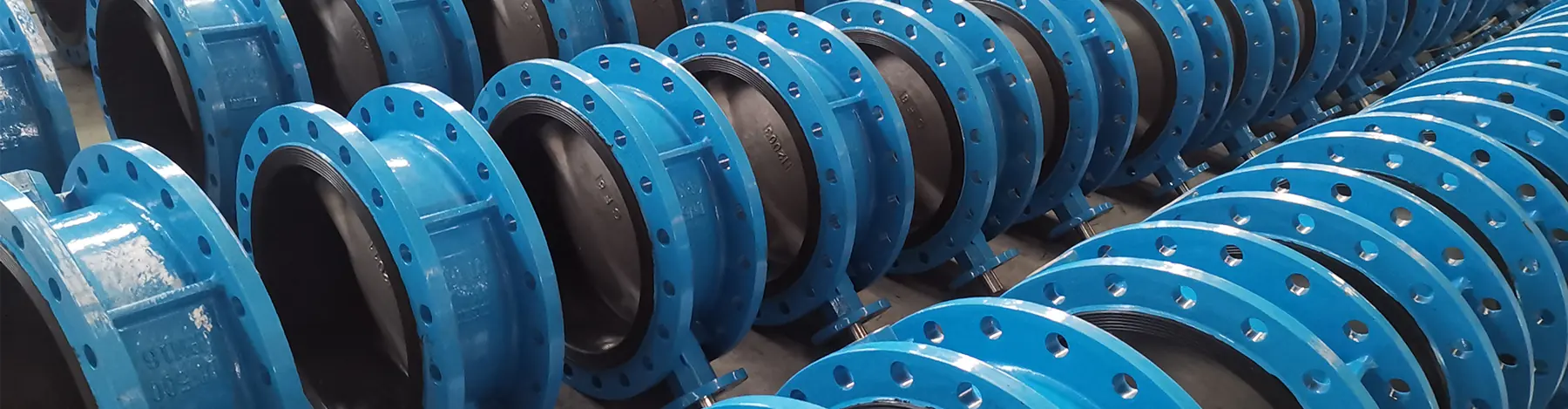
Dismantling Joints in Pump Station Pipework
Why a dismantling joint saves a cut-and-weld job every time a valve or meter has to come out.
Why Dismantling Joints Are Used in Pump Station Pipework
Pump stations require regular maintenance on pumps, motors, and associated piping. Dismantling joints allow sections of the pipeline to be removed without disconnecting the entire system. They are installed at strategic points to enable access to pumps, valves, or filters while keeping the rest of the system under pressure.
- Enable maintenance on pumps or motors without shutting down the entire station
- Allow removal of a pump section without breaking flange connections on both sides
- Maintain system integrity during servicing of critical components
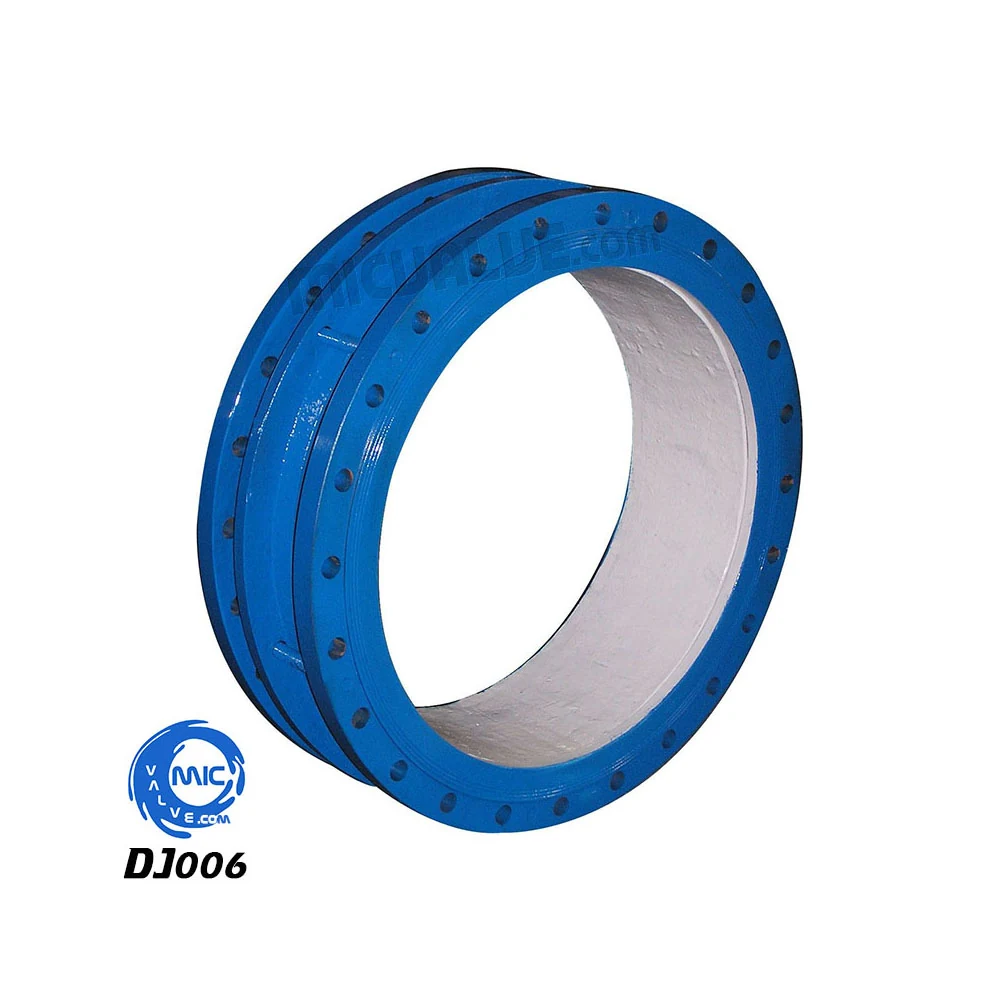
See DJ006 Dismantling Joint Carbon Steel
How Dismantling Joints Work in Practice
A dismantling joint consists of a central body with two flanged ends and a removable intermediate section. The joint is bolted between two fixed flanges. When maintenance is needed, the intermediate section is unbolted and removed, creating a gap that allows the pump or other component to be pulled out.
- Central body is bolted between two permanent flanges in the pipeline
- Intermediate section is removable and held by bolts across the joint
- The joint remains sealed when the intermediate section is removed
Key Design Features for Pump Station Applications
Dismantling joints in pump stations must handle repeated disassembly and reassembly under pressure. They are designed with robust flange connections, precise alignment features, and sealing elements that maintain integrity over time.
- Flanges match standard pipe flange dimensions and pressure ratings
- Sealing surfaces are precision machined to prevent leakage
- Bolting pattern and fasteners are rated for the system pressure
Material and Pressure Rating Considerations
The material and pressure rating of a dismantling joint must match the pipeline system it is part of. MIC Valve offers joints in carbon steel, stainless steel, and other materials suitable for water, chemical, and industrial service.
- Available in nominal diameters from DN10 to DN2600 mm
- Rated for nominal pressures from 0.05 to 4.0 MPa
- Material selection confirmed on request based on medium and temperature
Installation and Maintenance Best Practices
Correct installation ensures long-term reliability. The joint must be aligned properly and torqued to specification. During maintenance, the sealing surfaces must be inspected and cleaned before reassembly.
- Align flanges carefully before bolting to avoid uneven loading
- Use torque wrench to tighten bolts in a crisscross pattern
- Inspect gaskets and sealing surfaces before reassembly
Questions On This Topic
What is the purpose of a dismantling joint in a pump station?
It allows a section of pipeline, such as a pump or valve, to be removed for maintenance without breaking the entire system or shutting down the station.
Can dismantling joints be used in high-pressure systems?
Yes, MIC Valve's dismantling joints are rated for nominal pressures from 0.05 to 4.0 MPa, suitable for medium- and low-pressure industrial applications.
Are dismantling joints available in different materials?
Yes, material options including carbon steel and stainless steel are available. Specific material confirmation is provided on request.
What size range do dismantling joints cover?
Nominal diameters range from DN10 to DN2600 mm, covering small service lines to large pump station mains.
Do dismantling joints require special tools for maintenance?
Standard tools for flange bolting and gasket replacement are sufficient. A torque wrench is recommended for proper reassembly.
Need This Checked Against Your Own Line Data
Send the pipe size, pressure, medium and temperature and our engineers will tell you which model fits.