
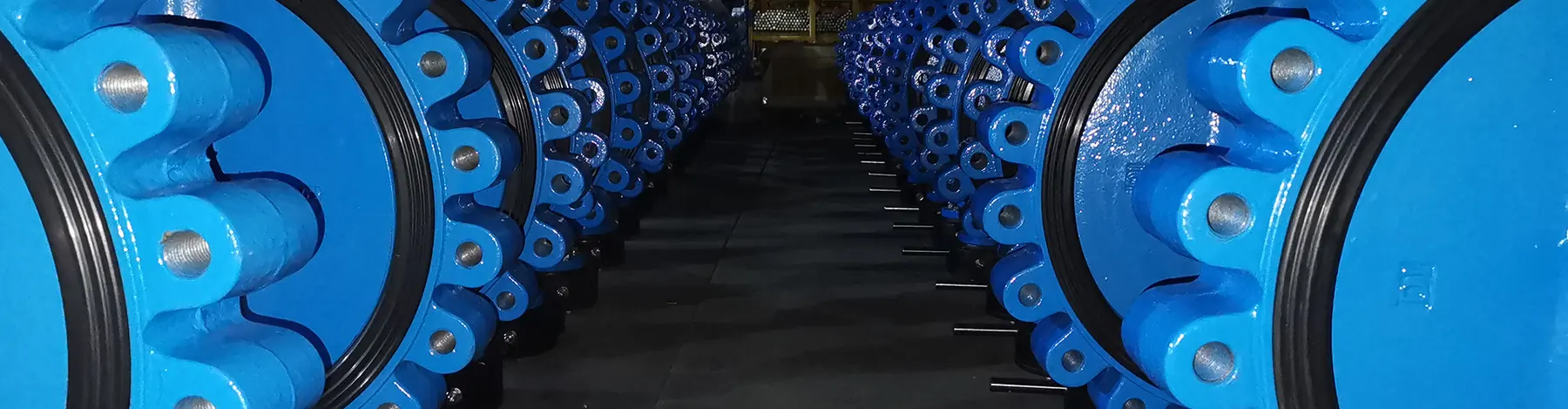
Rubber Expansion Joint Selection and Installation
Movement, anchoring and control units explained for pump connections and pipe runs.
Why Expansion Joints Are Used in Pipeline Systems
Expansion joints absorb thermal expansion, contraction, vibration, and misalignment in pipelines. Without them, stress builds up in the system, leading to leaks, fatigue cracks, or failure at flanges and welds. They are essential in long runs, high-temperature services, and systems with frequent start-stop cycles.
- Prevent mechanical stress from temperature changes in pipes
- Absorb vibration from pumps, compressors, or turbines
- Compensate for minor misalignment during installation
- Extend service life of connected equipment and piping
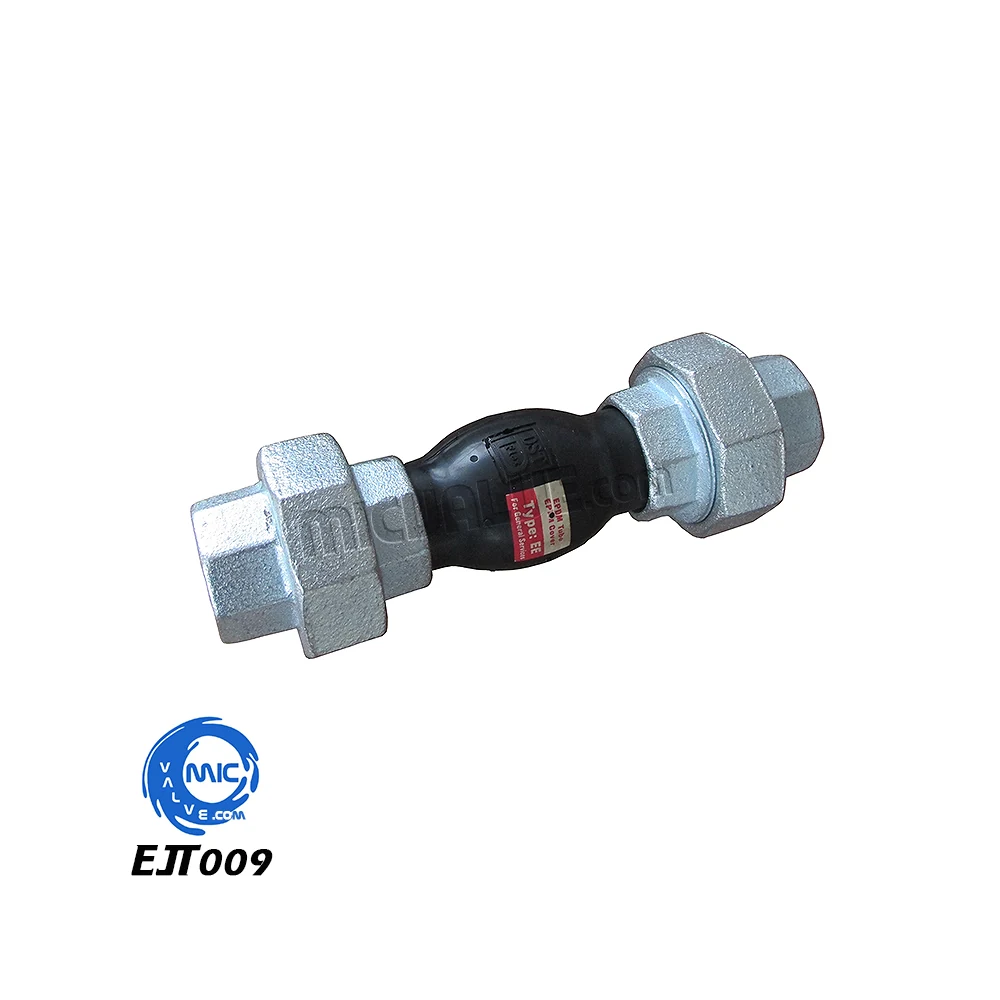
See EJT009 Single Sphere Rubber Expansion Joint Thread Type
Key Selection Factors for Rubber Expansion Joints
The correct joint depends on the operating conditions. The material, pressure rating, and configuration must match the medium, temperature, and system requirements. Incorrect selection leads to premature failure or unsafe operation.
- Confirm the nominal diameter and pressure rating required
- Identify the medium type and its chemical compatibility with rubber
- Check the maximum operating temperature of the system
- Determine if the joint is for axial, lateral, or angular movement
Understanding Joint Types and Their Applications
Rubber expansion joints come in several configurations. The choice depends on the direction of movement and the space available. Each type has a specific range of motion and installation constraint.
- Axial joints absorb length changes along the pipe axis
- Lateral joints handle side-to-side displacement
- Angular joints compensate for pipe rotation at the joint point
- Universal joints combine axial and lateral movement in one unit
Installation Requirements and Common Mistakes
Improper installation causes uneven stress, premature aging, or joint failure. The joint must be aligned, supported, and protected from external loads. Installation must follow the manufacturer's guidelines exactly.
- Ensure the pipe ends are clean, flat, and free of burrs before installation
- Do not use the expansion joint as a support point for the pipeline
- Avoid over-tightening flange bolts, which can distort the joint
- Install in straight runs with proper pipe supports on both sides
Material and Reinforcement Considerations
The rubber compound and internal reinforcement determine the joint's durability. The choice must match the service environment. Standard rubber is not suitable for aggressive media or extreme temperatures.
- Natural rubber for water and low-temperature applications
- Nitrile rubber for oil and fuel services
- EPDM for hot water, steam, and chemical resistance
- Reinforced with fabric or wire for higher pressure and movement
Questions On This Topic
What is the maximum pressure rating for MIC Valve rubber expansion joints?
The pressure rating is confirmed on request and depends on the nominal diameter and configuration. The standard range covers up to 4.0 MPa.
Can rubber expansion joints be used in high-temperature steam systems?
Yes, but only if the joint is made with EPDM or other high-temperature resistant rubber and the operating temperature is within the material's limits.
Do expansion joints need to be anchored or guided?
Yes. Expansion joints must be properly anchored and guided to prevent transfer of movement to connected equipment. The system must include fixed supports and guide rails.
Is the rubber material compatible with chemical media?
Material compatibility depends on the medium. Confirm the chemical composition and concentration with MIC Valve to ensure the rubber compound is suitable.
Can I install a rubber expansion joint in a vertical pipeline?
Yes, but the joint must be supported from below and the system must include proper anchoring to handle the weight and movement.
Need This Checked Against Your Own Line Data
Send the pipe size, pressure, medium and temperature and our engineers will tell you which model fits.