
Preventing Seat Leakage in Butterfly Valves
Where butterfly valve seats actually fail and what to change in specification or installation.
The Root Causes of Seat Leakage in Butterfly Valves
Seat leakage in butterfly valves typically results from mismatched materials, improper installation, or operational stress beyond design limits. The most common causes are incorrect seat material selection for the medium, insufficient torque during installation, or repeated cycling in high-pressure environments. These issues can lead to seat deformation, disc misalignment, or premature wear.
- Use the correct seat material for the medium's temperature, pressure, and chemical composition
- Apply torque within the manufacturer's specified range during flange bolting
- Avoid over-tightening which can distort the seat and damage the disc seal
- Ensure the disc is fully seated and aligned with the pipeline axis before tightening
- Verify that the valve is not subjected to excessive pressure surges or vibration
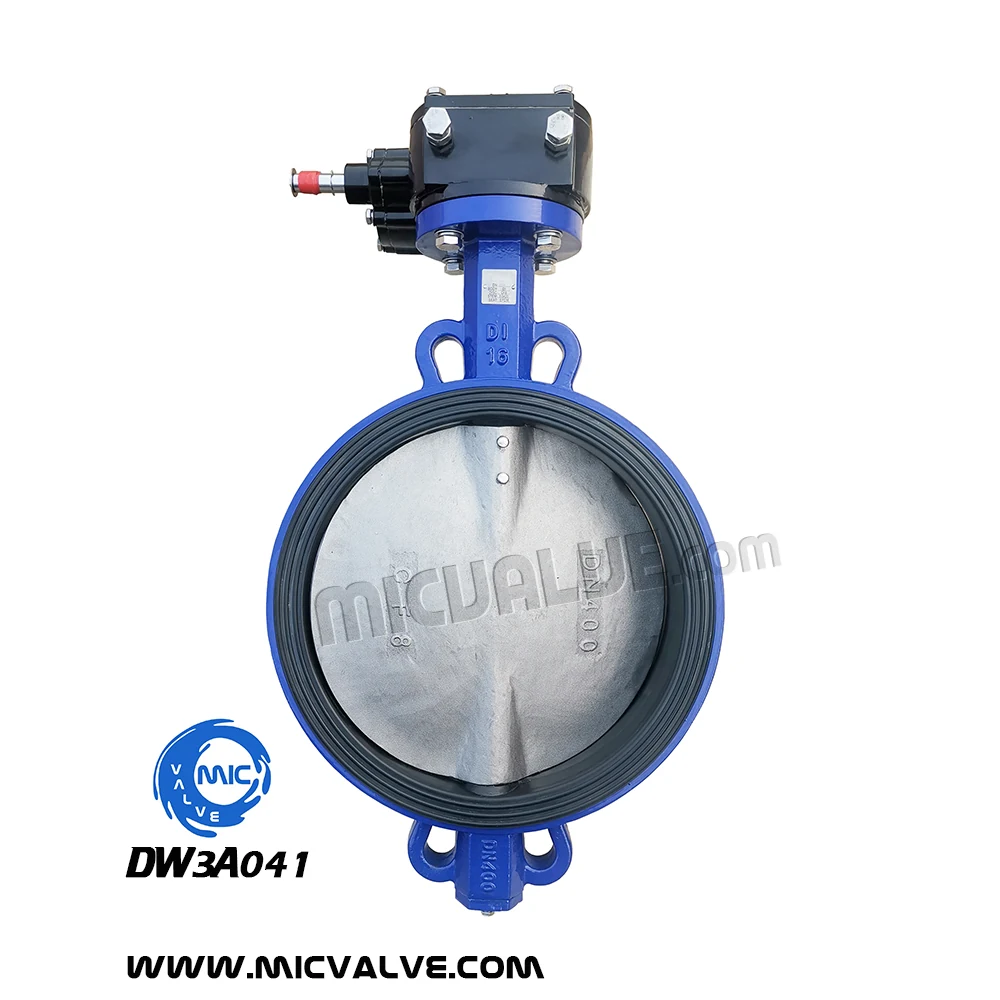
See DW3A041 Wafer Type ButterflyValve with Pin DN400
Material Matching: When Rubber Seats Fail and What to Use Instead
Resilient seated rubber valves are suitable for clean water, low-pressure applications, and general service. However, they degrade when exposed to aggressive chemicals, high temperatures, or abrasive media. In such cases, PTFE-coated discs or metal-seated designs are required to maintain a reliable seal.
- Use PTFE-coated discs for media with mild corrosive properties
- Switch to metal-seated valves for high-temperature or high-pressure service
- Confirm the seat material compatibility with the medium's pH and concentration
- Avoid rubber seats in applications with solids or particulates that can abrade the seal
- Metal seats are recommended for fire-safe or high-cycle environments
Installation Practices That Prevent Early Leakage
Improper installation is a leading cause of seat leakage. The valve must be handled carefully during lifting and positioning, and the flange faces must be clean and flat. The disc should be held slightly open during insertion to prevent seat damage, and the bolts must be tightened in a cross pattern to ensure even clamping force.
- Hold the disc slightly open during insertion to avoid seat edge damage
- Clean flange faces and remove any debris before bolting
- Tighten bolts in a diagonal sequence to prevent misalignment
- Use a torque wrench to apply the specified tightening force
- Do not allow the valve to hang by the piping during installation
Browse Anti Corrosive Butterfly Valves
Torque and Pressure: The Hidden Stress on the Seat
Even if the valve is correctly sized and seated, excessive torque during operation or pressure surges can force the disc against the seat beyond its elastic limit. This causes permanent deformation, especially in rubber seats. The design must account for both static and dynamic loads.
- Ensure the operating torque does not exceed the valve's rated limit
- Use a torque limiter or actuator with a defined output if cycling frequently
- Avoid sudden pressure spikes in the system that can overload the seat
- Confirm the maximum operating pressure is within the valve's rating
- For high-pressure systems, consider metal-seated or double-offset designs
Maintenance and Inspection to Catch Leakage Early
Regular inspection of the valve body, disc, and seat can prevent minor issues from becoming major leaks. Check for signs of wear, disc misalignment, or corrosion. A visual inspection during routine shutdowns can identify problems before they lead to failure.
- Inspect the seat and disc for cracks, cuts, or deformation during maintenance
- Check for corrosion on the disc and stem, especially in corrosive environments
- Verify that the disc moves freely without binding or resistance
- Test the seal integrity during periodic pressure tests
- Document inspection results to track wear patterns over time
Product Families Covered in This Guide
Wafer Type Butterfly Valves
Short-pattern quarter-turn isolation valves that clamp between two pipe flanges, used where a gate valve is too long and too heavy for the space available.
Anti Corrosive Butterfly Valves
Anti corrosive butterfly valves designed for service in aggressive media where standard materials degrade quickly, featuring corrosion-resistant body and internal components for long-term reliability in demanding industrial environments.
Questions On This Topic
What causes seat leakage in a rubber-seated butterfly valve?
Common causes include incorrect seat material for the medium, over-tightening during installation, exposure to high temperatures or aggressive chemicals, and repeated cycling under pressure.
Can I use a rubber seat in a high-temperature application?
No. Rubber seats degrade above 80°C and are not suitable for high-temperature service. Use PTFE-coated discs or metal seats for temperatures above 80°C.
Is there a difference in seat leakage between wafer and lug body valves?
No. The seat leakage performance depends on material, installation, and operating conditions, not the body style. Both wafer and lug bodies use the same seat components in the same series.
How do I confirm the correct torque for my butterfly valve?
Torque values are confirmed on request based on the valve's nominal diameter, pressure rating, and seat material. Contact MIC Valve with your model details for the correct specification.
Can I replace a rubber seat with a PTFE-coated disc in the same valve?
Yes, if the valve is designed for it. PTFE-coated discs are available as an option for many series. Confirm compatibility with MIC Valve before ordering.
Need This Checked Against Your Own Line Data
Send the pipe size, pressure, medium and temperature and our engineers will tell you which model fits.