
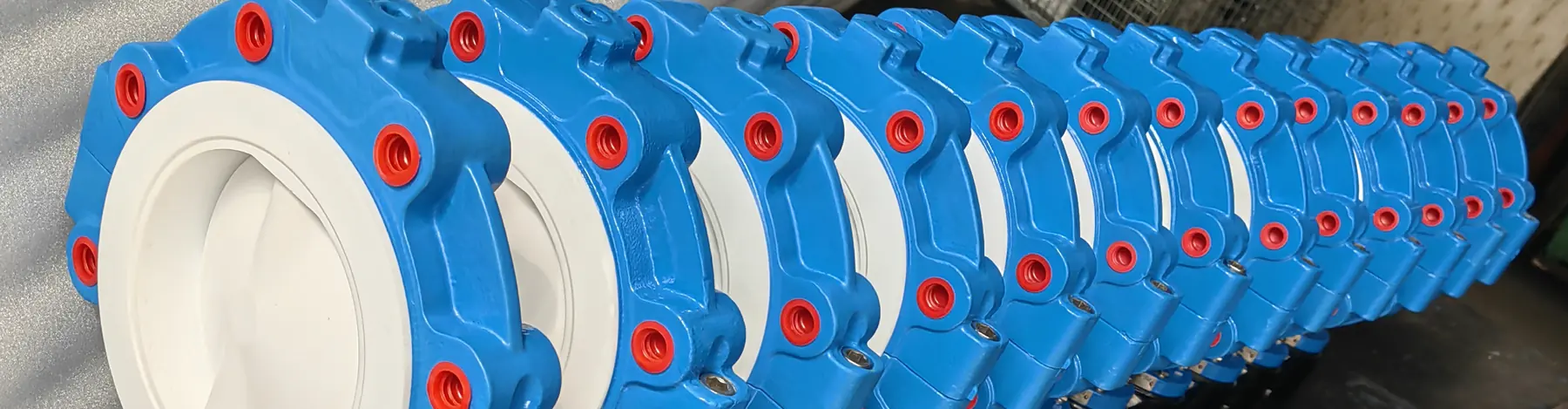
Butterfly Valve Actuator Selection
Lever, gearbox, pneumatic or electric: matching the drive to diameter, duty cycle and control system.
Why Actuator Selection Matters Before Valve Installation
Choosing the wrong actuator leads to premature wear, operational failure, or unsafe operation. The actuator must match the valve's torque requirement, operating frequency, and environmental conditions. A mismatch can cause the valve to fail to close fully or open completely under pressure.
- Torque must be confirmed based on valve size, pressure, and seat type
- Operating frequency determines whether manual, gearbox, or automated actuation is needed
- Environmental exposure affects material choice for actuator housing and seals
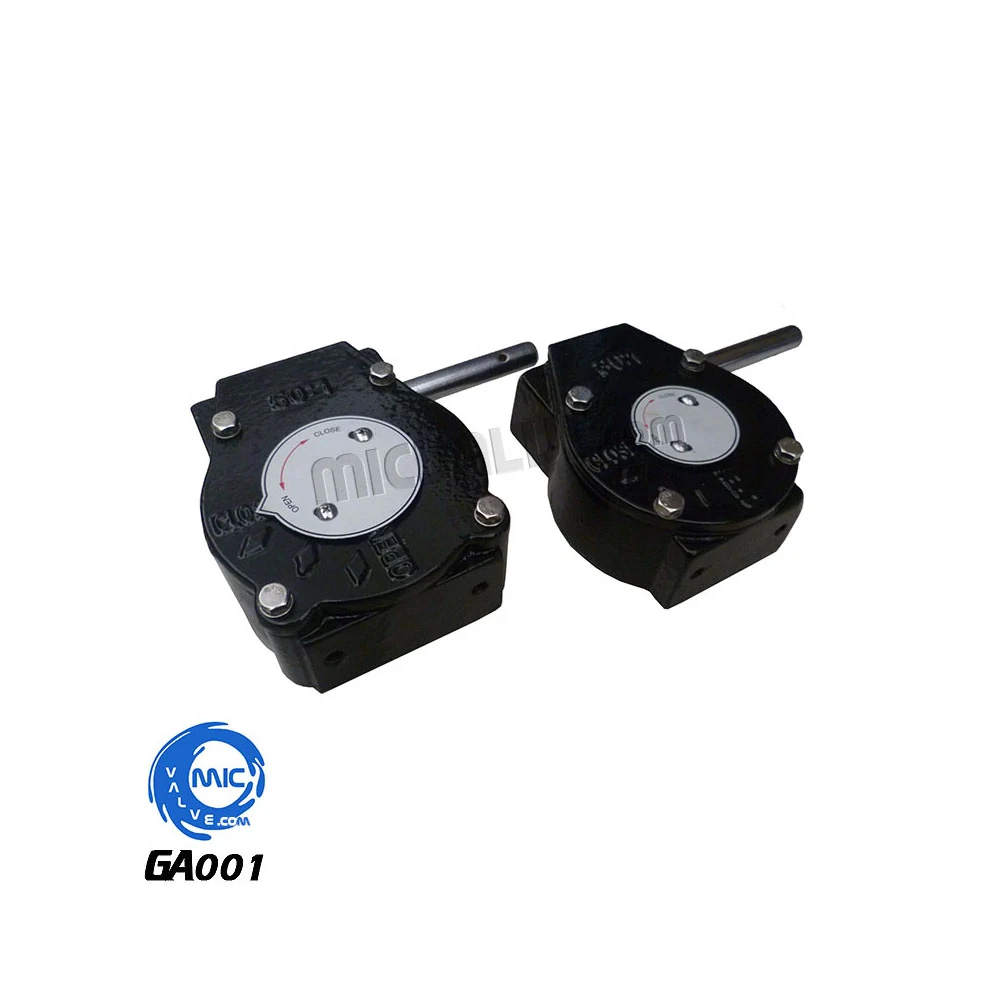
See GA001 Worm Gear Actuator for 2-14”
Manual vs Gearbox vs Automated: Matching Drive to Duty Cycle
Manual levers are suitable for infrequent operation. Gearboxes reduce required effort and improve control for larger valves. Automated actuators are essential for high-cycle applications or remote operation. The decision depends on how often the valve is operated and the available site access.
- Manual operation is acceptable for valves up to DN300 with low pressure
- Gearboxes are recommended for DN200 and above when manual effort is excessive
- Pneumatic or electric actuators are required for frequent cycling or remote control
Torque Requirements Are Not Universal Across Valve Types
The torque needed to operate a butterfly valve varies significantly by design. Resilient seated valves require less torque than metal-seated or eccentric types. The actuator must be sized to overcome the maximum expected torque under operating conditions.
- Resilient seated valves have lower starting torque due to soft seat flexibility
- Metal-seated valves require higher torque due to tight sealing and friction
- Eccentric designs reduce torque by minimizing seat contact during operation
Environmental Conditions Dictate Actuator Material and Sealing
Exposure to moisture, dust, chemicals, or extreme temperatures affects actuator performance. Actuators used in outdoor or corrosive environments must have sealed housings and corrosion-resistant components.
- IP65 or higher protection is recommended for outdoor or wet locations
- Stainless steel or coated housings are used in chemical or marine environments
- Temperature range must match the operating environment of the valve
The Five Facts to Confirm Before Ordering an Actuator
Most actuator-related issues stem from incomplete or incorrect input. Confirming these five items ensures the actuator will function correctly from installation to service.
- Nominal diameter and pressure rating of the valve
- Type of seat (resilient or metal) and disc material
- Operating frequency and whether manual, gearbox, or automated control is needed
- Environmental conditions including temperature, humidity, and chemical exposure
- Mounting standard and interface dimensions for the valve body
Product Families Covered in This Guide
Valve Actuators
Mechanical and actuated drive units for industrial valves, designed to operate butterfly valves, gate valves and check valves across medium- and low-pressure applications in water, power, petrochemical and heating systems.
Butterfly Valves
Short-pattern quarter-turn valves that clamp between two pipe flanges, used for isolation and throttling in medium- and low-pressure industrial pipelines across water, power, petrochemical, heating, marine, pharmaceutical and metallurgical applications.
Questions On This Topic
What torque should I specify for a DN200 metal-seated butterfly valve?
Torque is confirmed on request based on nominal diameter, pressure, seat type, and disc material. Provide the operating pressure and medium for accurate confirmation.
Can I use a manual lever on a DN600 valve?
Manual levers are not recommended for valves above DN300 due to high operating torque. A gearbox or actuator is required for safe and reliable operation.
Are pneumatic actuators available for valves up to DN2600?
Yes. Pneumatic actuators are available for valves in the DN10 to DN2600 range. Confirm the required torque and operating pressure for sizing.
What is the standard mounting interface for actuators?
The mounting interface is confirmed on request based on the valve body type and standard (e.g., ISO 5211). Provide the valve model and flange standard for exact details.
Can actuators be tested before shipment?
Yes. Actuators can be tested at the plant with the valve before shipment. Request pre-testing during the order confirmation process.
Need This Checked Against Your Own Line Data
Send the pipe size, pressure, medium and temperature and our engineers will tell you which model fits.