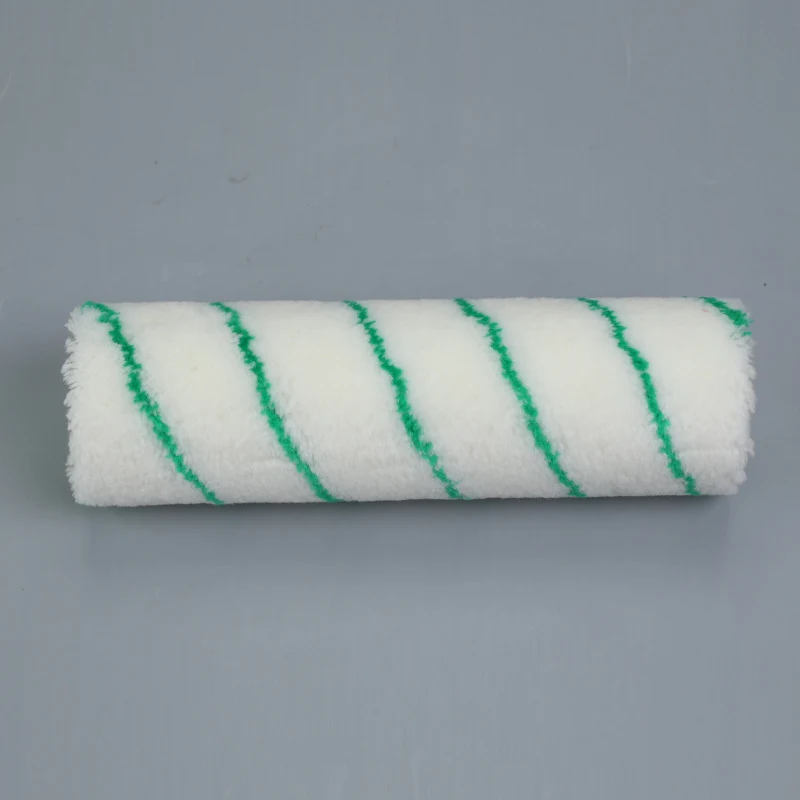
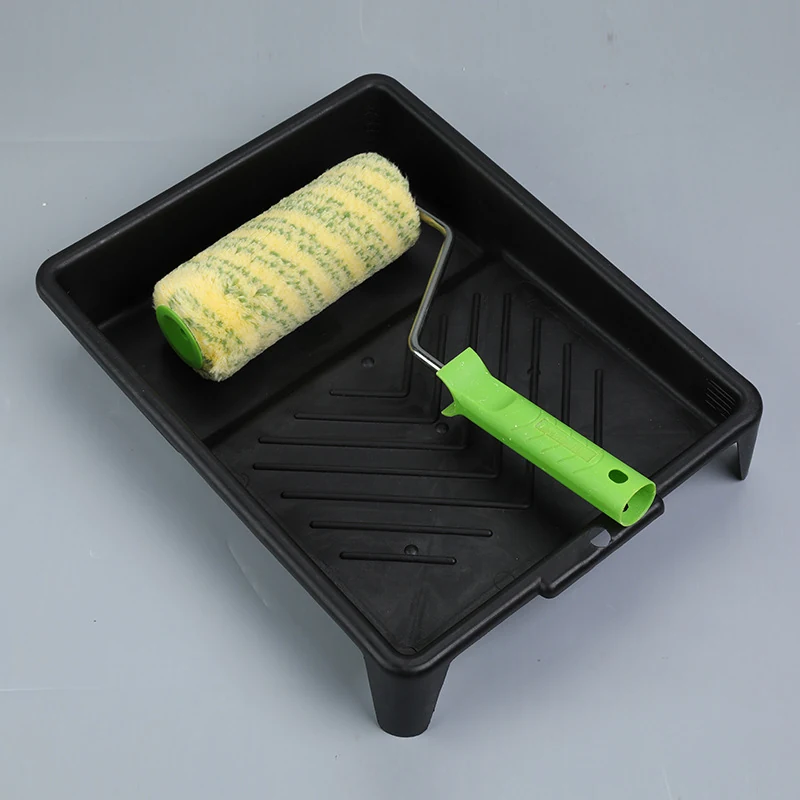
Thermofused appears in half the roller specifications you will be quoted. This is what it actually means on the production line.
Glued Covers And Their Weak Point
The traditional way to build a cover is to wrap fabric around a core and hold it with adhesive. It works, and it is cheap, but it leaves a seam of adhesive between the backing and the core.
Solvent attacks that seam. So does hot water. A glued cover that is washed out and reused often starts to lift at the ends, and once it lifts, pile ends up in the paint.
What Thermofusing Does Differently
Thermofusing heats the fabric backing and the core so they bond directly. There is no adhesive layer, so there is no seam for solvent or hot water to attack.
The practical result is a cover that survives being cleaned and used again, which is what a decorator expects from anything above the entry price point.
No adhesive layer between backing and core
Better resistance to solvent and to hot water cleaning
Fewer end lifts, so less pile in the wet film
More consistent behaviour across a production run
The Four Production Stages
Every cover in the thermofused part of our range goes through the same four stages, which is what keeps a mixed pallet consistent.
Fabric selection
Pile fabric chosen for the specified grade and checked for density
Thermofusing
Backing heat bonded directly to the core, no adhesive
Cutting and trimming
Cut to working width and ends finished so they do not fray
Pack and label
Graded, sleeved or wrapped to your artwork and packed to the agreed count
Stripe grading is woven in during fabric production, not printed on afterwards.
How To Check It In A Sample
You do not need a laboratory to sanity check a thermofused cover. Two minutes with a sample tells you most of what you need.
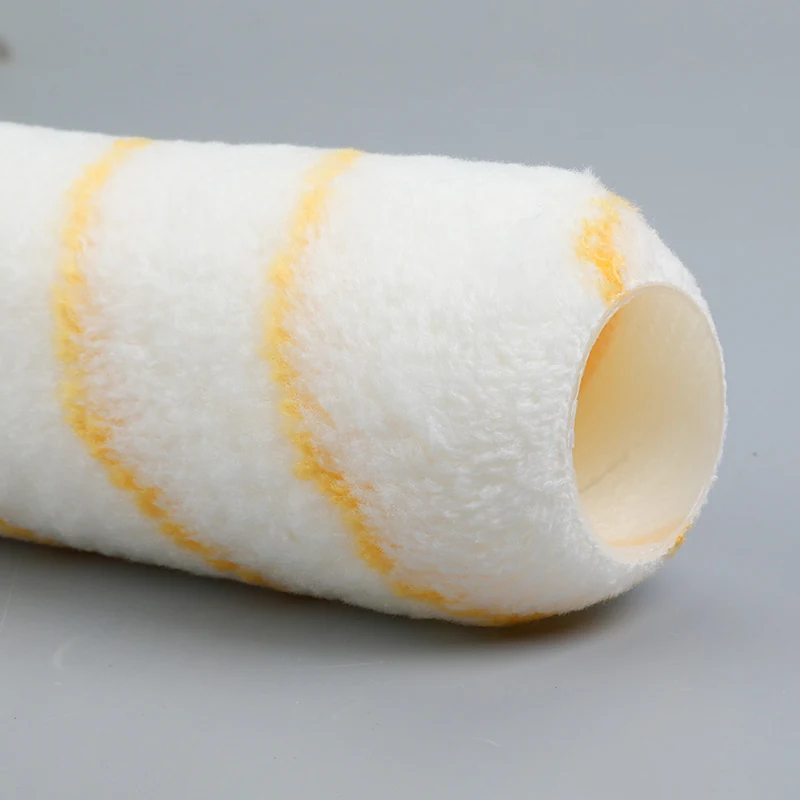
Look into the end of the core for a visible adhesive line
Try to lift the backing at the end with a thumbnail
Wash a sample out and reuse it before you approve it
Compare pile density against the sample you signed, not against a photograph
We send physical samples for exactly this reason. A cover's construction is not visible in a product photograph, however good the photograph is.