Fabric decides how a cover behaves in your customer's paint. Here is what actually separates the four you will be quoted.
Acrylic Fibre
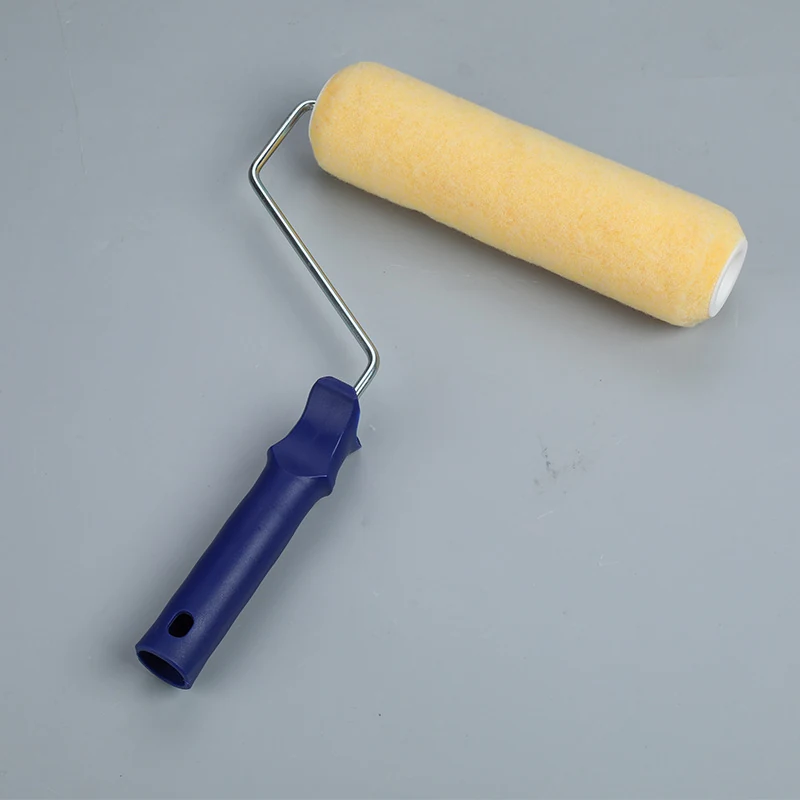
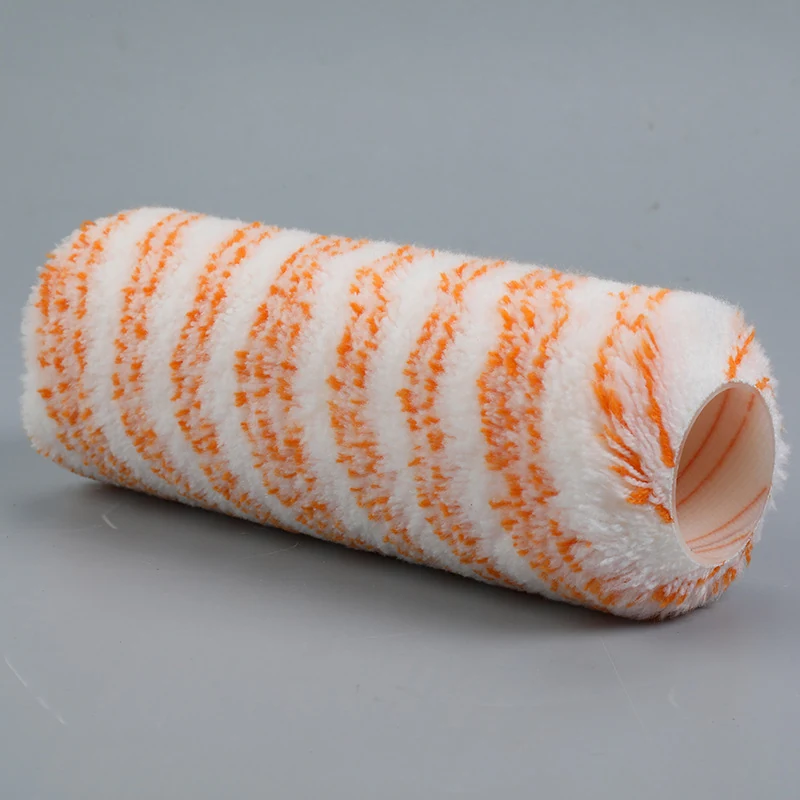
Acrylic is the workhorse of the range. It holds a good volume of paint, releases it evenly and survives repeated cleaning, which is what a decorator needs from a cover used across several rooms.
It handles both water-borne and solvent-borne systems, which is why it is the default when a buyer sells into a mixed market.
Even release across a long wall, so fewer reloads
Stands up to washing out and reuse
Works in both water-borne and solvent-borne paint
Takes woven stripe grading cleanly
Polyester
Polyester is the economical choice and the one most often specified for high volume contract work. It carries less paint than acrylic for the same nap, but it is stable, predictable and inexpensive.
For a retail entry price point or a large contract programme where covers are treated as disposable, polyester is usually the right answer.
Microfibre
Microfibre is the fine finish option. The finer filament lays a flatter film with less stipple, which matters on ceilings and on any surface that will be lit at a low angle.
It costs more and it is less tolerant of rough surfaces, so it belongs at the top of a range rather than through the middle of it.
Foam Sponge
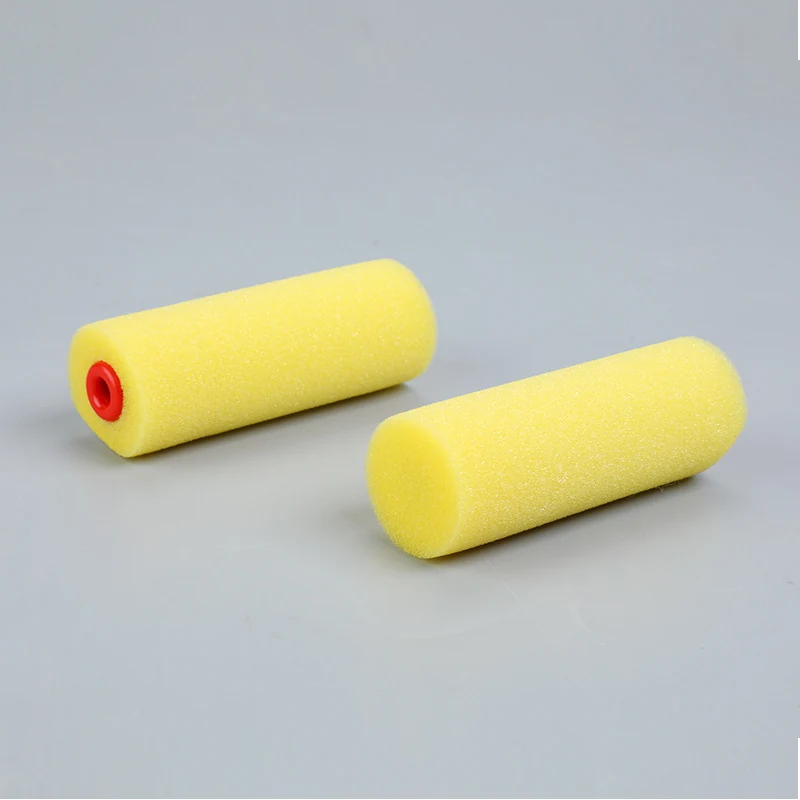
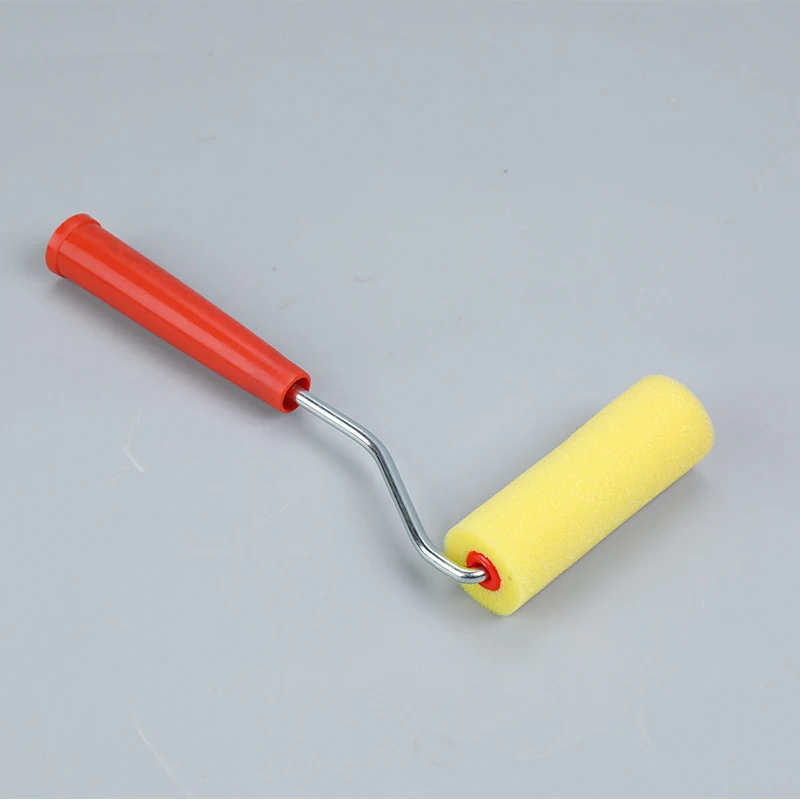
Foam sits outside the fabric comparison. It has no pile, so it lays the smoothest film of all, which is why it is chosen for doors, trim, cabinets and gloss work.
It is not a wall cover. Used on a large area it drags, leaves edge marks and wears quickly.
Foam sleeves are specified for trim and cabinet work, not for wall area.
If you are building a retail range, one foam line beside three napped grades usually covers the whole decorating job without confusing the shelf.
Choosing For A Range Rather Than A Job
A decorator picks a cover for one wall. A buyer picks four covers for every wall their customers will ever paint. The two decisions are not the same.
The usual structure is polyester at the entry price, acrylic through the middle, microfibre at the top and one foam line for trim. Everything else is a variant of those four.