
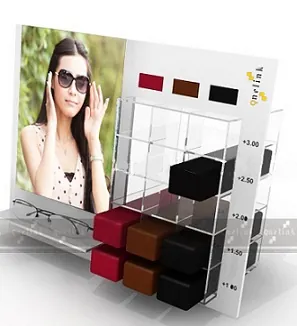
Acrylic vs Paper Displays — Which One Fits Your Counter
A practical comparison of acrylic and printed board displays for retail counters covering lifespan artwork changes freight and cost per placement.
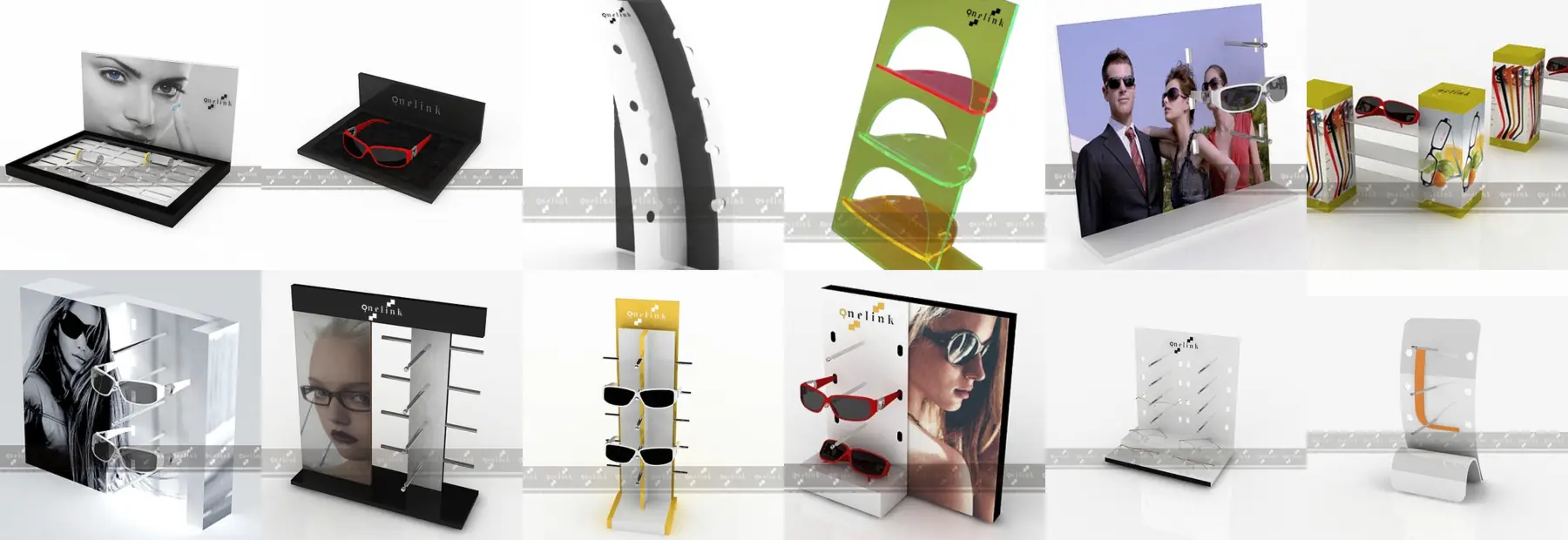
Acrylic vs Paper Displays — Which One Fits Your Counter
A practical comparison of acrylic and printed board displays for retail counters covering lifespan artwork changes freight and cost per placement.
The Question Is Not Which Is Better
Acrylic and printed board are not competing materials. They answer different questions. Acrylic answers how do we hold the core range on this counter for the next three years. Printed board answers how do we put this campaign into two hundred doors for the next six weeks. Buyers who pick one material for everything end up overpaying on one side of the programme and under-delivering on the other.
Lifespan
Acrylic keeps its shape and finish through years of handling and cleaning. It is the right body for a fixture that sits on a counter permanently and holds the core range. Printed board is built for a campaign window. It handles weeks of shopper contact well and starts to soften after that, which is exactly what a promotional structure is supposed to do.
Artwork Changes
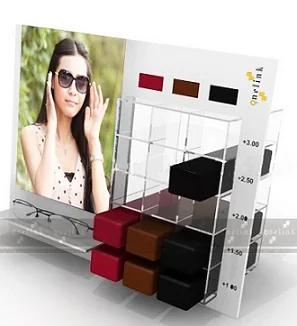
This is usually the deciding factor. If the visual changes every season, printed board is far cheaper to update because only the print file changes. On an acrylic fixture the artwork is UV printed onto the body, so changing it means producing new parts. The common answer is a hybrid: an acrylic body that stays and a printed card or header that gets replaced each campaign.
Freight and Storage
Printed board ships flat and folds up in store. That matters enormously when a programme goes into many small doors that have no stockroom. Acrylic fixtures ship assembled or in parts and take real cubic volume, which is why they are shipped once and left in place.
Cost per Placement
Compare cost across the life of the placement rather than per unit. A printed structure is cheaper per unit but is replaced every campaign. An acrylic fixture costs more once and is not replaced. For a core range position acrylic is usually cheaper over three years. For a six week promotion printed board wins on every measure.
How to Decide
- Permanent core range position with stable branding — acrylic
- Campaign that changes every season — printed board
- Many small doors with no storage — printed board that ships flat
- A high value item that has to look premium at the till — acrylic
- Both requirements in one programme — an acrylic body with a replaceable printed header or counter card
Models Referenced in This Guide
16_046_ESD_A01Acrylic Eyewear Display →
11_001_EPD_A01Paper Eyewear Display →
Related Categories
- Acrylic Eyewear Display (13 models)
- Paper Eyewear Display (7 models)
Related Applications
- Optical and Eyewear Retail
- Trade Shows and Promotions
More Guides
- Display Materials Guide
- Printing Process Guide
- Eyewear Display Design Guide
- POP Display Buying Guide
Questions on This Topic
Can one programme use both materials
Does ONELINK POP produce both
Which is better for shipping to many stores
Still Deciding on a Format
Send your product dimensions and counter space and the team will point you at the range that fits.
Tell Us What You Need
Send your specification, quantity and destination port. Our engineers reply with a technical proposal and a confirmed lead time.