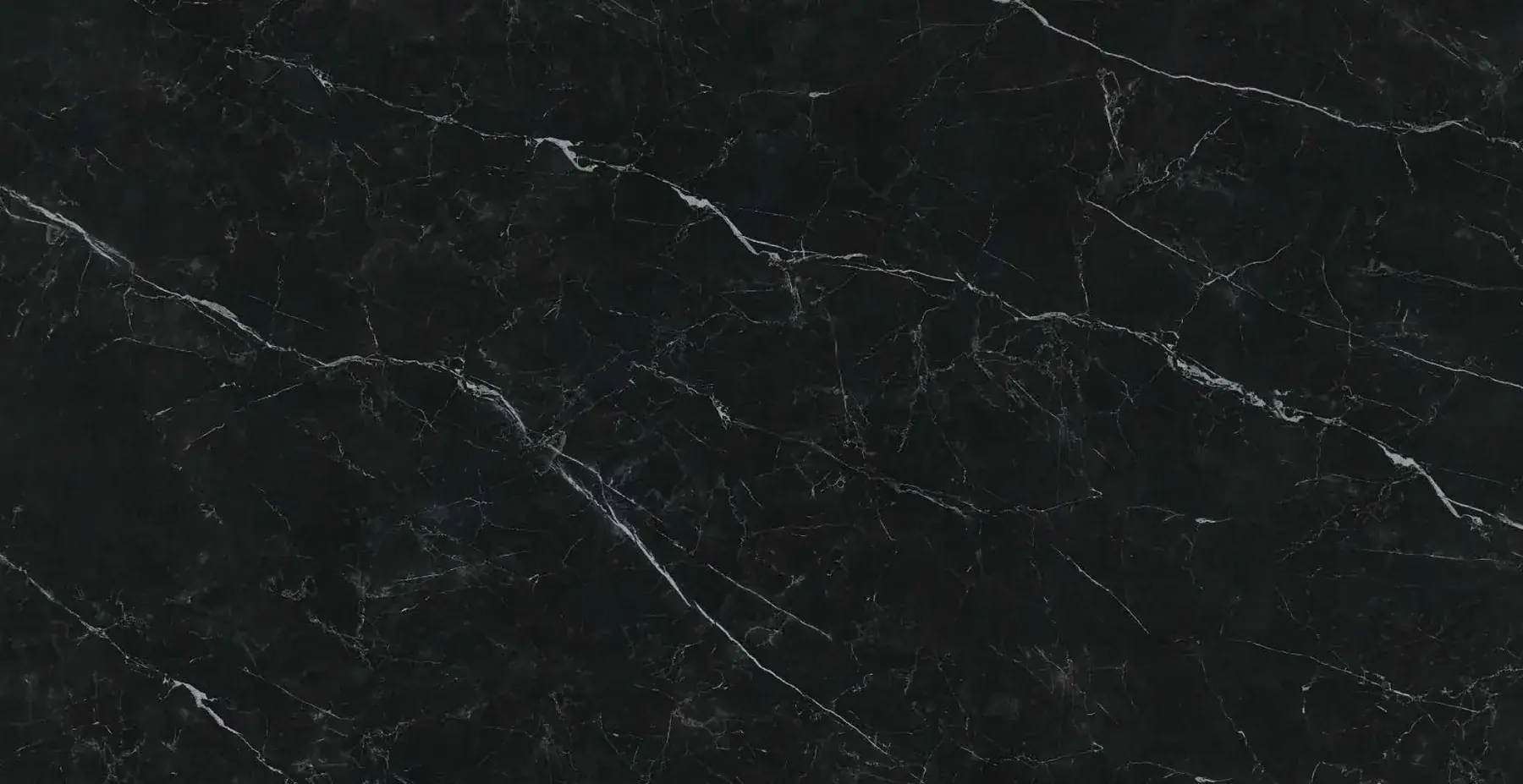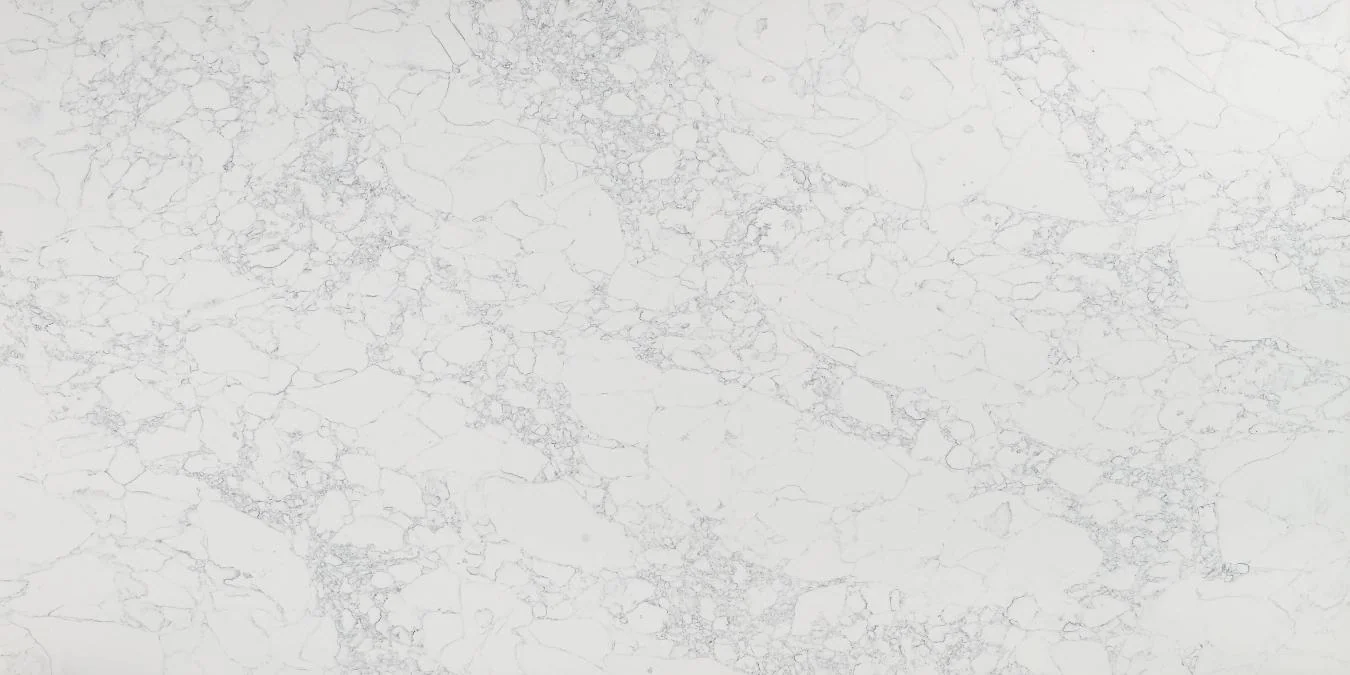
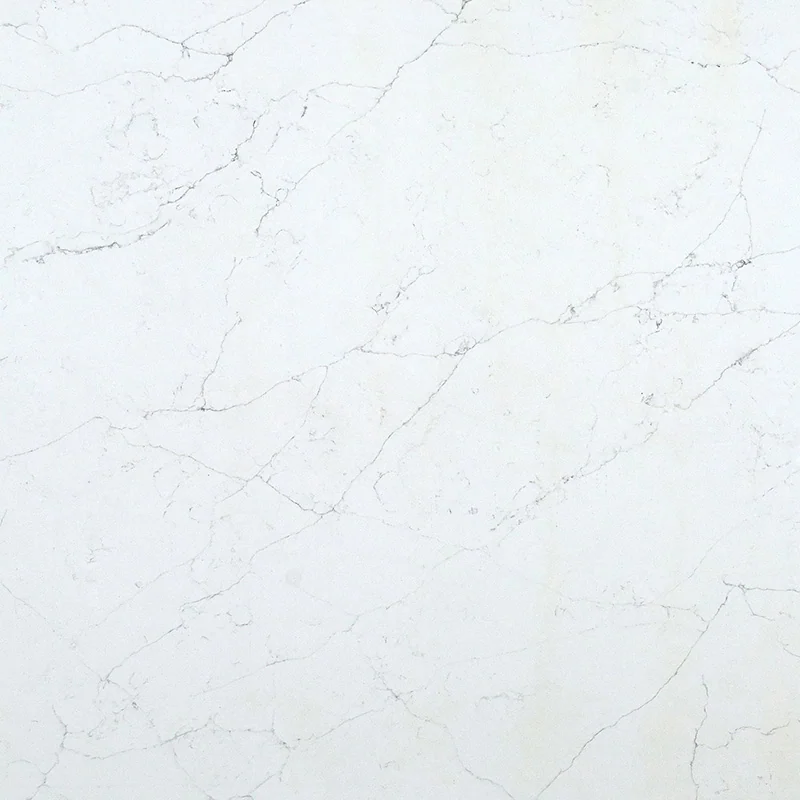
Furniture makers buy stone by the piece, not the container, and they need the same top made a hundred times. The constraints are weight, edge detail and how a top behaves when it is shipped flat-packed.
2 cm slabs, or thinner porcelain, keep a dining top inside sensible handling weight.
Six edge profiles including bullnose, ogee bullnose step, radius and mitre are produced to the same profile every time.
Dense sintered and porcelain bodies are less prone to edge chipping than softer surfaces.
One pattern can run across dining tops, side tables and counter tops in a single furniture collection.
Kitchen work is where most of our slab volume ends up, and it is the least forgiving application in the catalogue.
Vanity work is a small-part business: many pieces, tight sizes, high cut-out count.
Hospitality projects buy a look once and then need it repeated across hundreds of rooms and several phases.
Commercial interiors put surfaces in front of a lot of people and very little maintenance budget.
Cladding is a yield exercise.
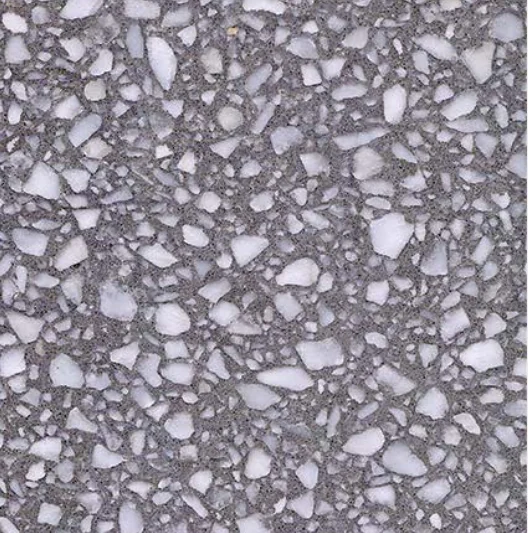
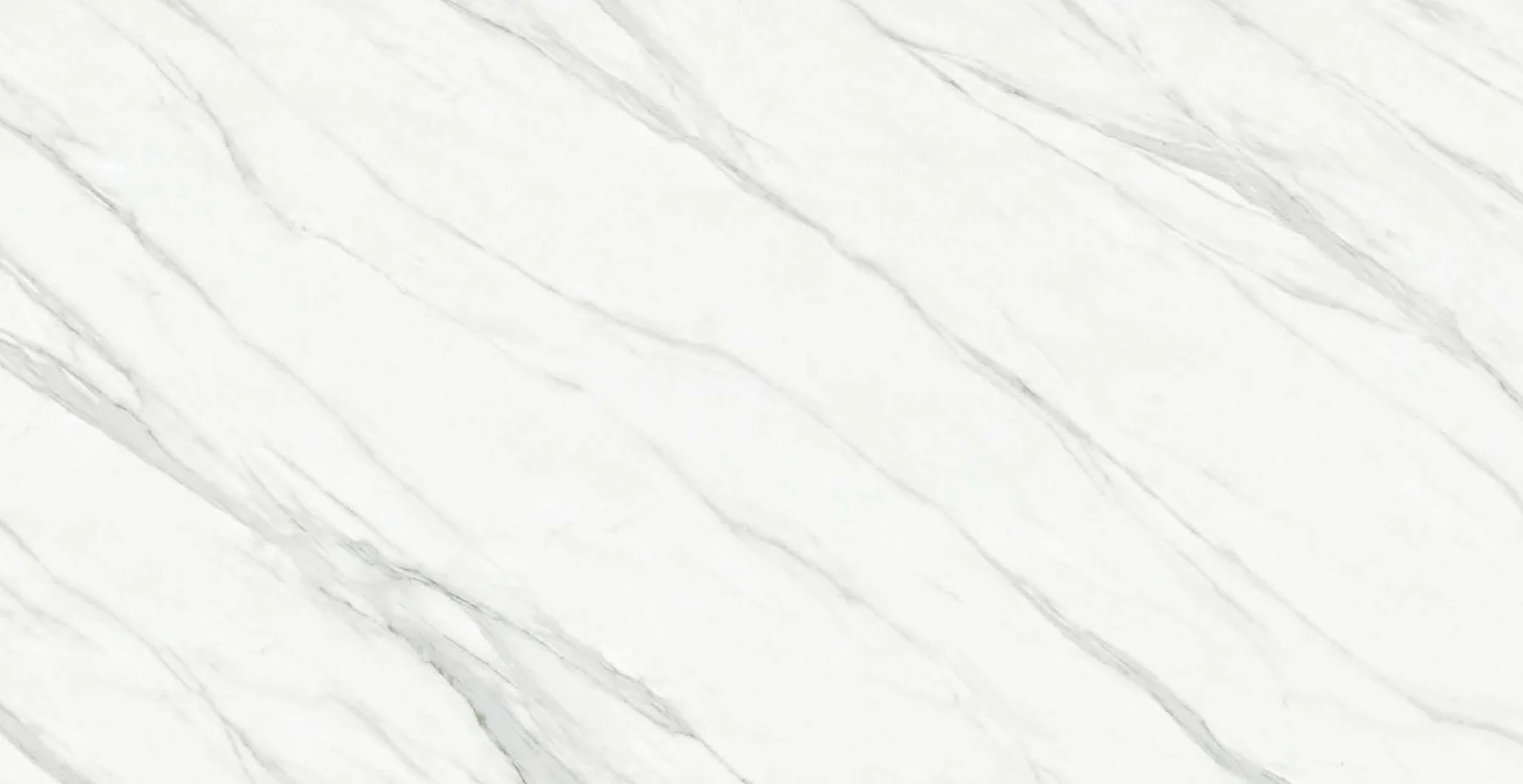
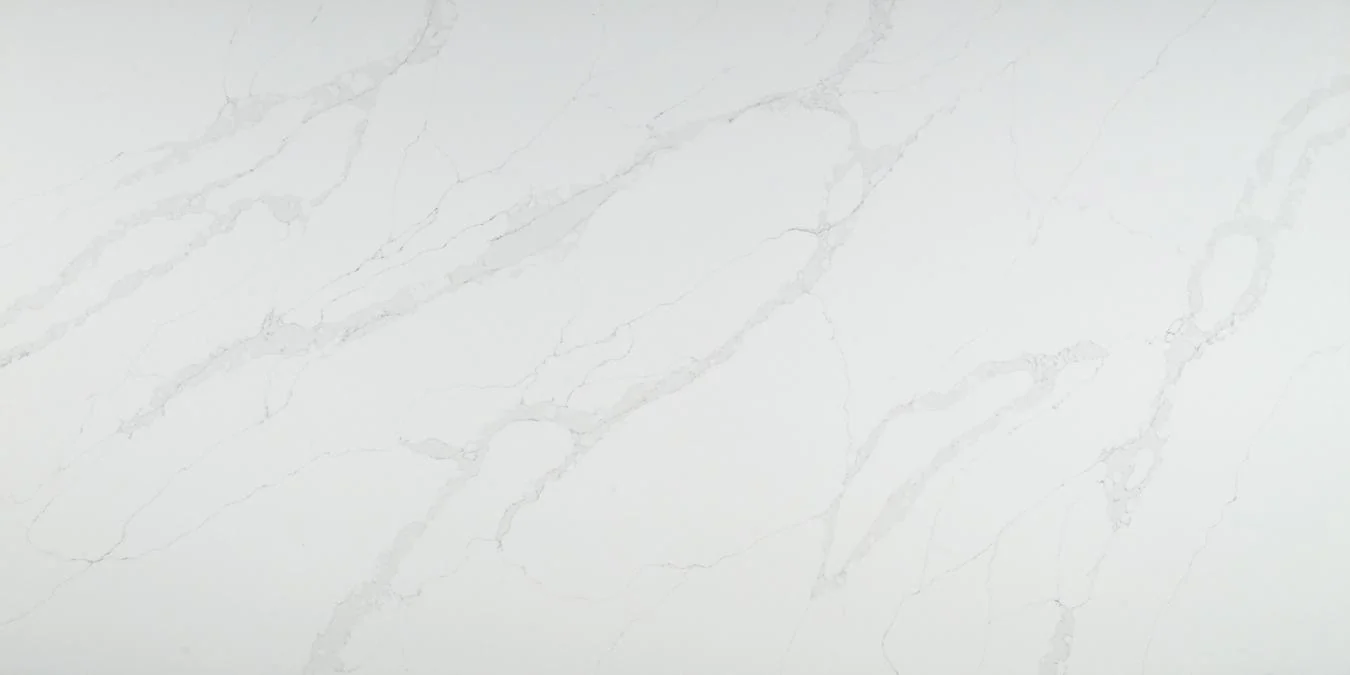
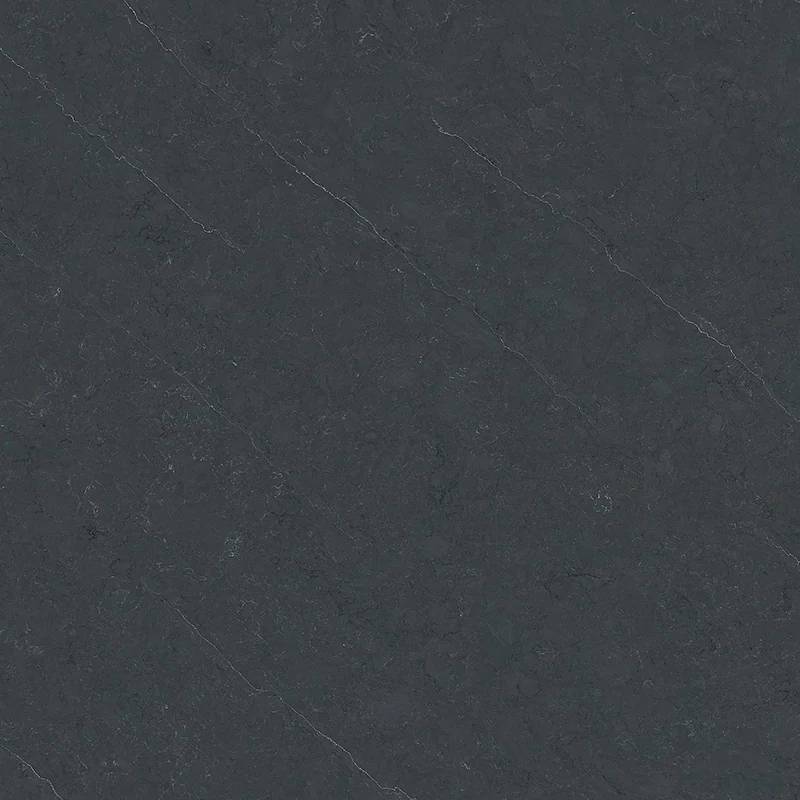
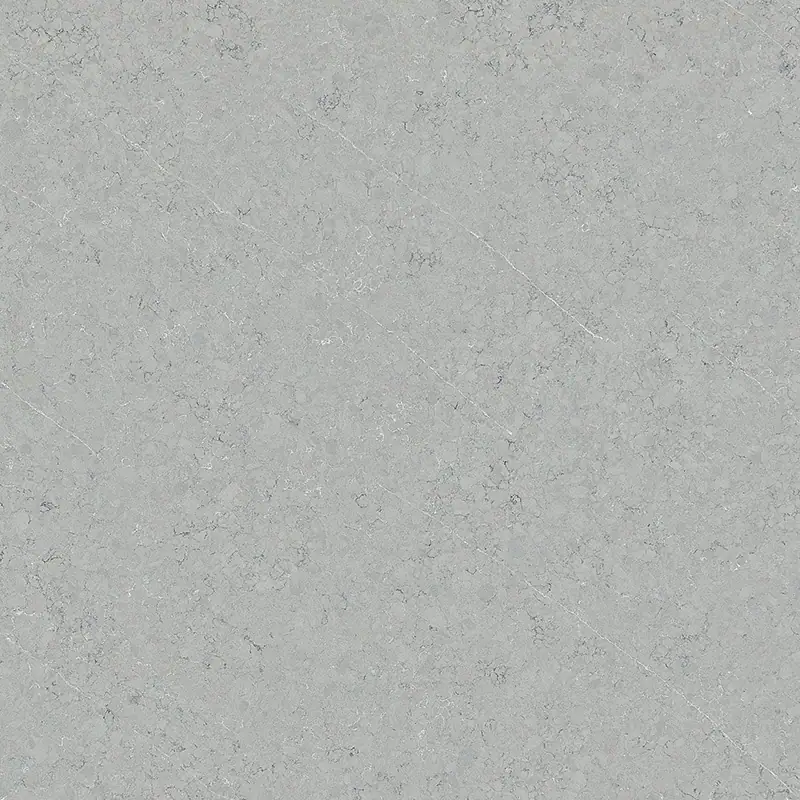
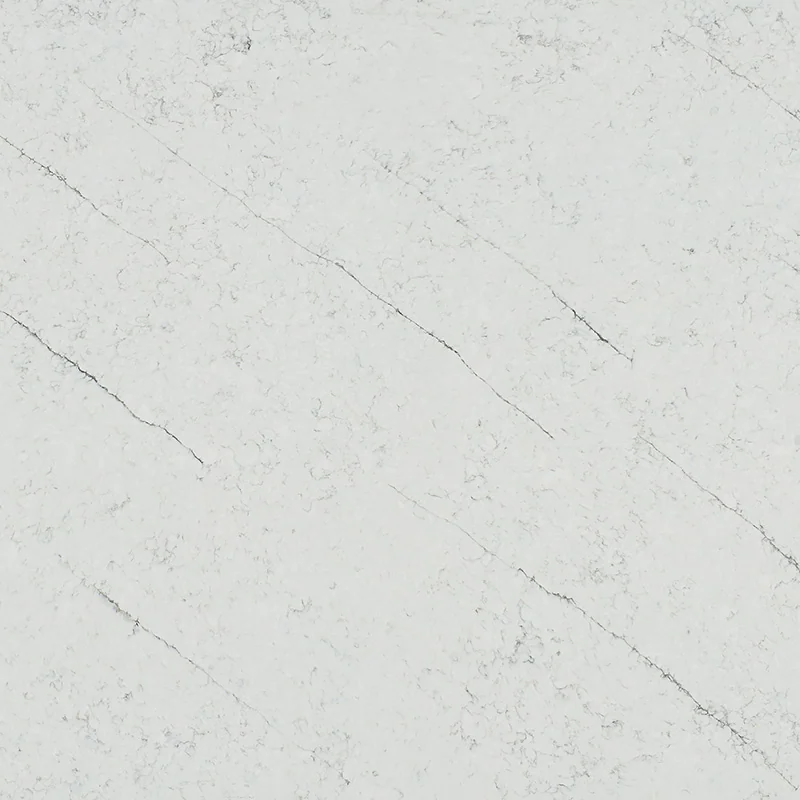
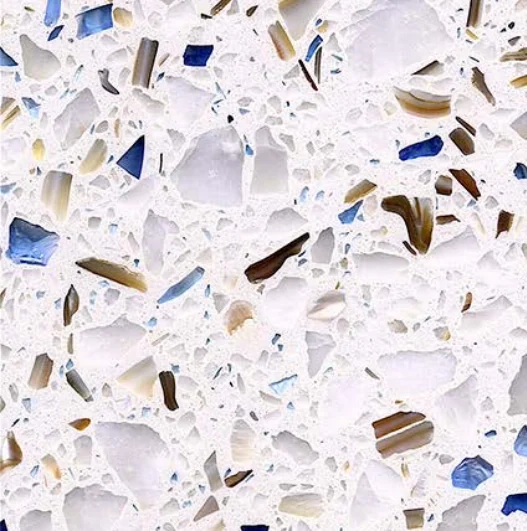
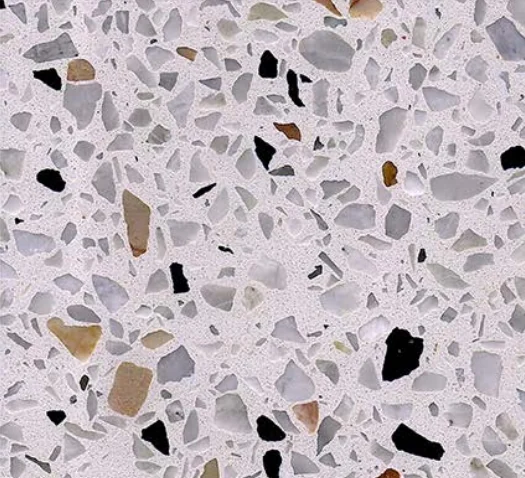
For this application we usually start with ASZ Signature Quartz, Terrazzo, Sintered Stone. The right answer depends on heat exposure, sunlight and the finish the client wants.
Yes. Quartz, artificial marble, terrazzo, porcelain, nano glass and sintered stone are all produced on our own site, so one order can cover several surface types.
Every colour code is produced against a recorded pigment recipe. Re-order by code, thickness and finish rather than by photograph.
Two automated lines give a monthly capacity of over 24,000 square metres. Volumes and phasing are planned against that before an order is confirmed.
Yes, free to distributors, builders and countertop factories. Email [email protected] with the codes and the shipping address.
We will come back with the codes that fit the application and the quantities you need.