I once ran out of phone power on a long drive and learned to choose chargers more carefully. Find a suitable car charger by matching your device needs, checking power output and ports, verifying...
I once ran out of phone power on a long drive and learned to choose chargers more carefully.
Find a suitable car charger by matching your device needs, checking power output and ports, verifying safety features and certifications, and choosing a reliable brand for stable, fast charging on the road.
Pick a charger with the right wattage and ports for your devices, good heat and surge protection, and reputable reviews to avoid flaky charging while driving.
Stop here if you only need the short advice. Keep reading for types, convenience, and buying tips.
I learned the basics after buying my first cigarette-lighter style adapter.
A car charger converts your vehicle’s 12V (or 24V) electrical supply into USB power so you can charge phones, tablets, GPS units, and other devices while driving.1
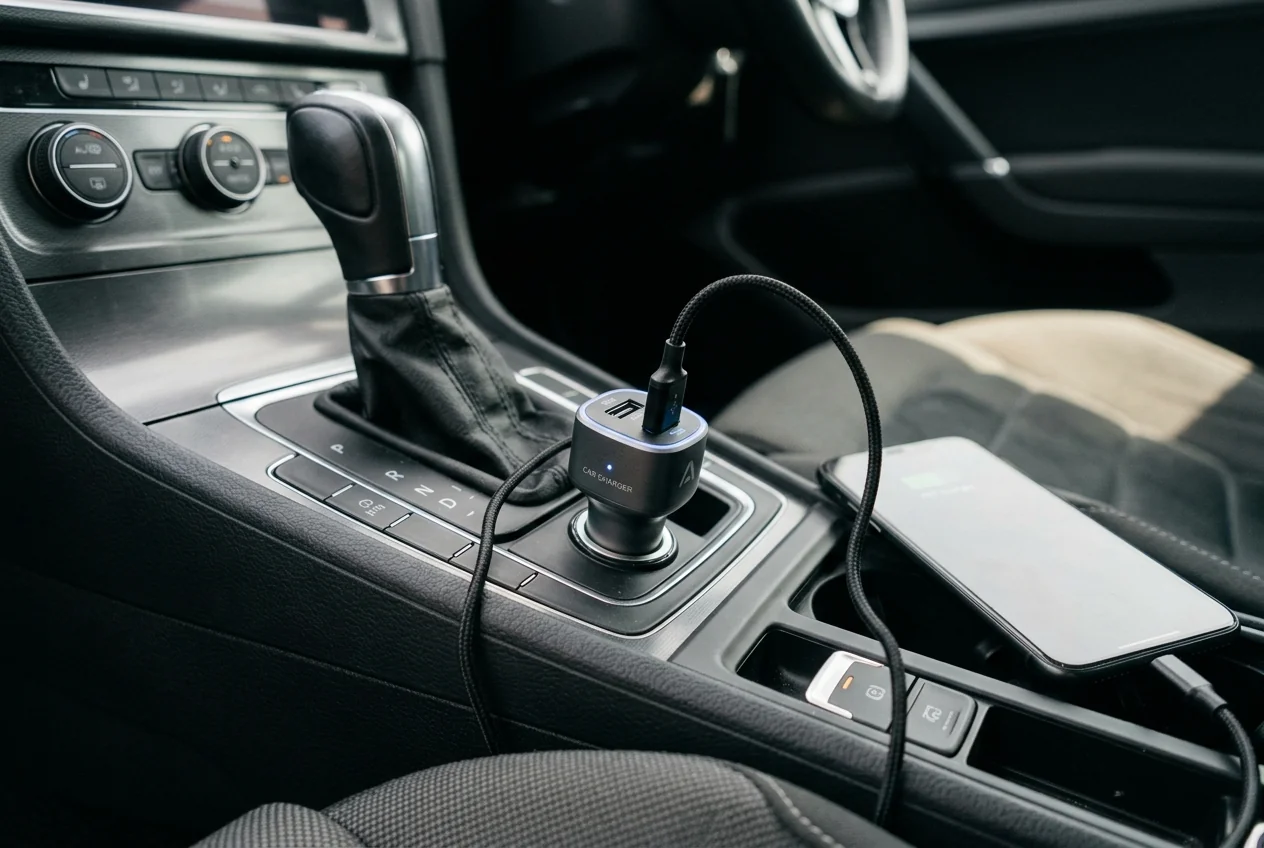
I use one in every car to keep batteries topped up on the road.
A simple breakdown:
I treat car chargers as essential travel gear rather than optional accessories.
I stopped worrying about low batteries during commutes and trips after I started using the right chargers.
Car chargers let you keep devices powered during drives, support navigation and streaming, enable hands-free calls, and reduce anxiety about battery life on long trips.
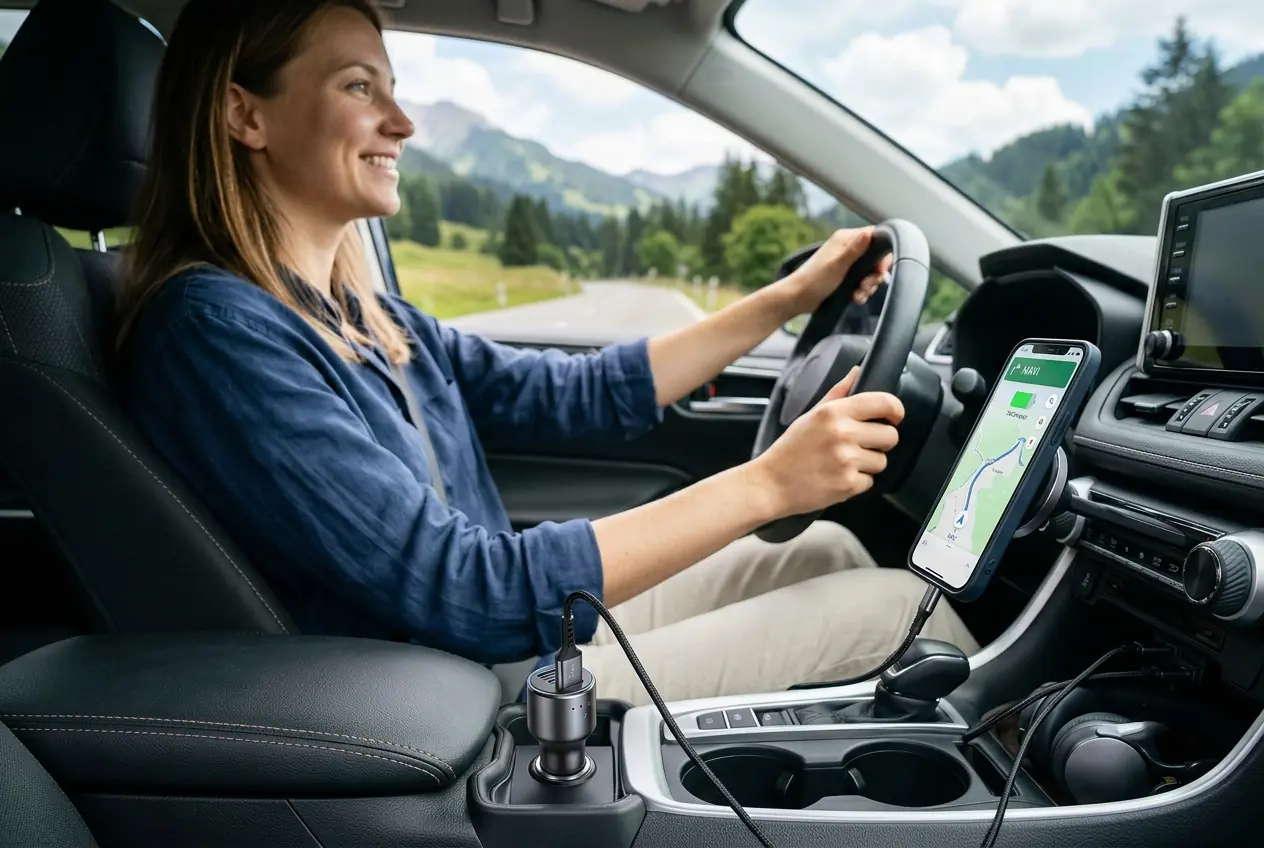
I rely on a car charger for maps, music, and emergency calls.
Key conveniences explained:
These conveniences make a good car charger a small but high-value accessory.
I compared models to see which type fits different driving habits.
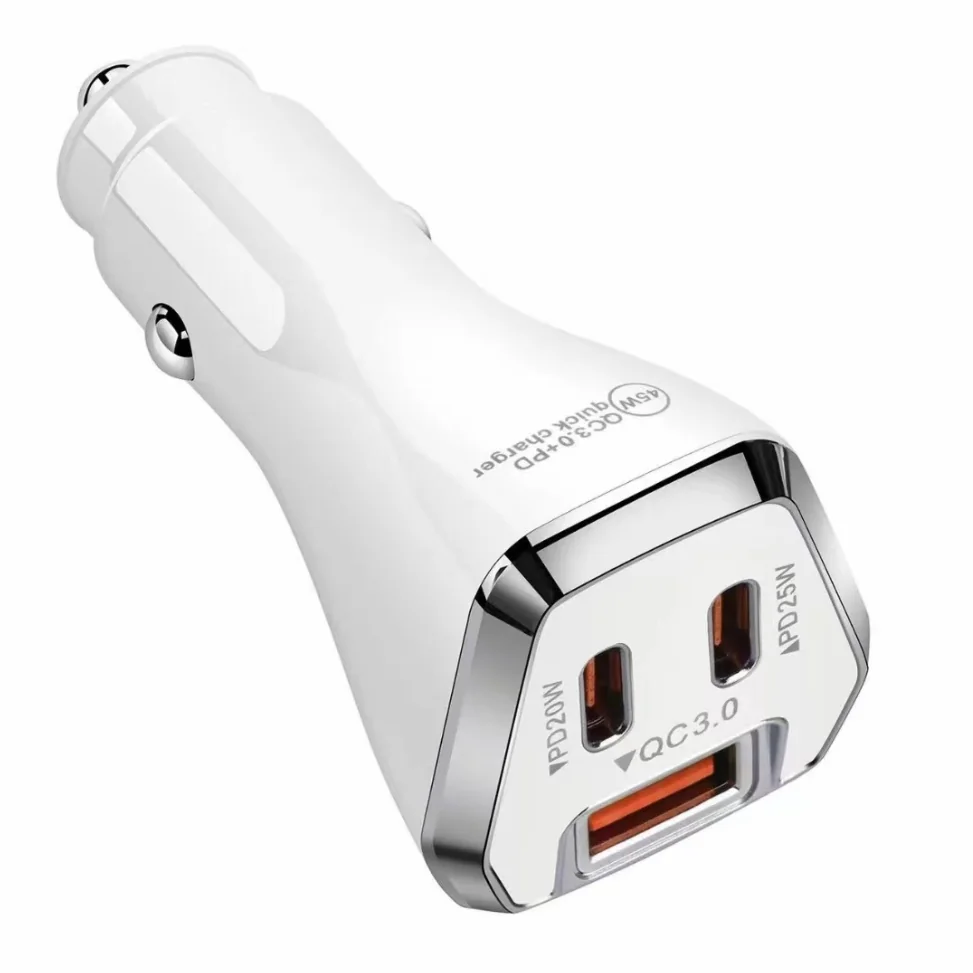
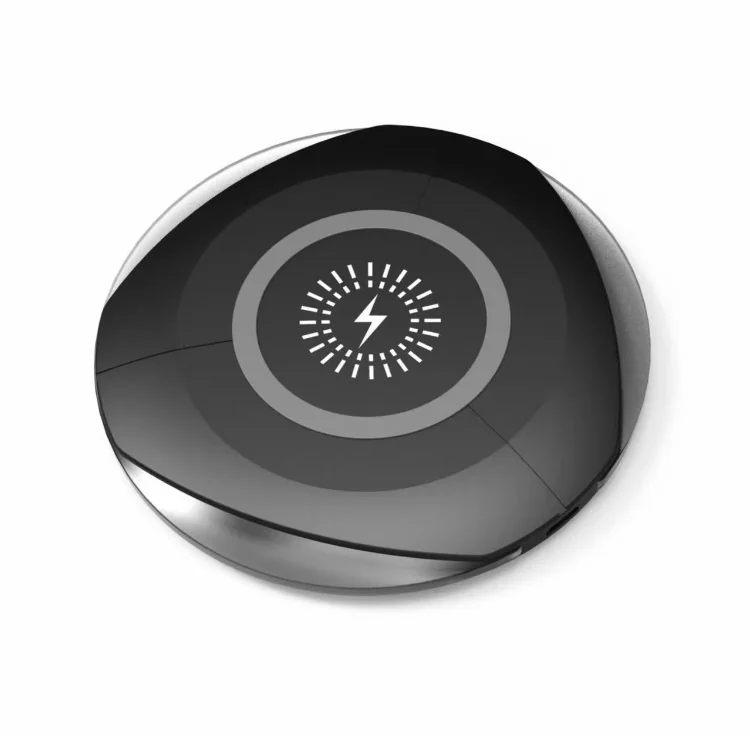
Car chargers come as basic USB adapters, multi-port chargers, PD (USB-C) fast chargers, wireless charging mounts, and specialty units for dash cams or laptops. Pick the type that fits your devices and use.
I have a USB-C PD charger for my phone and a dedicated dash-cam power adapter for continuous recording.
Type breakdown and use cases:
Choose the type based on how many devices you charge, whether you need fast PD charging, and whether you require a mount or dash-cam support.
I use a checklist to pick reliable car chargers for different vehicles.
Choose a car charger by checking power output and protocols, port count, compatibility, safety protections, build quality, thermal design, and brand reputation. Test in real driving conditions before relying on it.
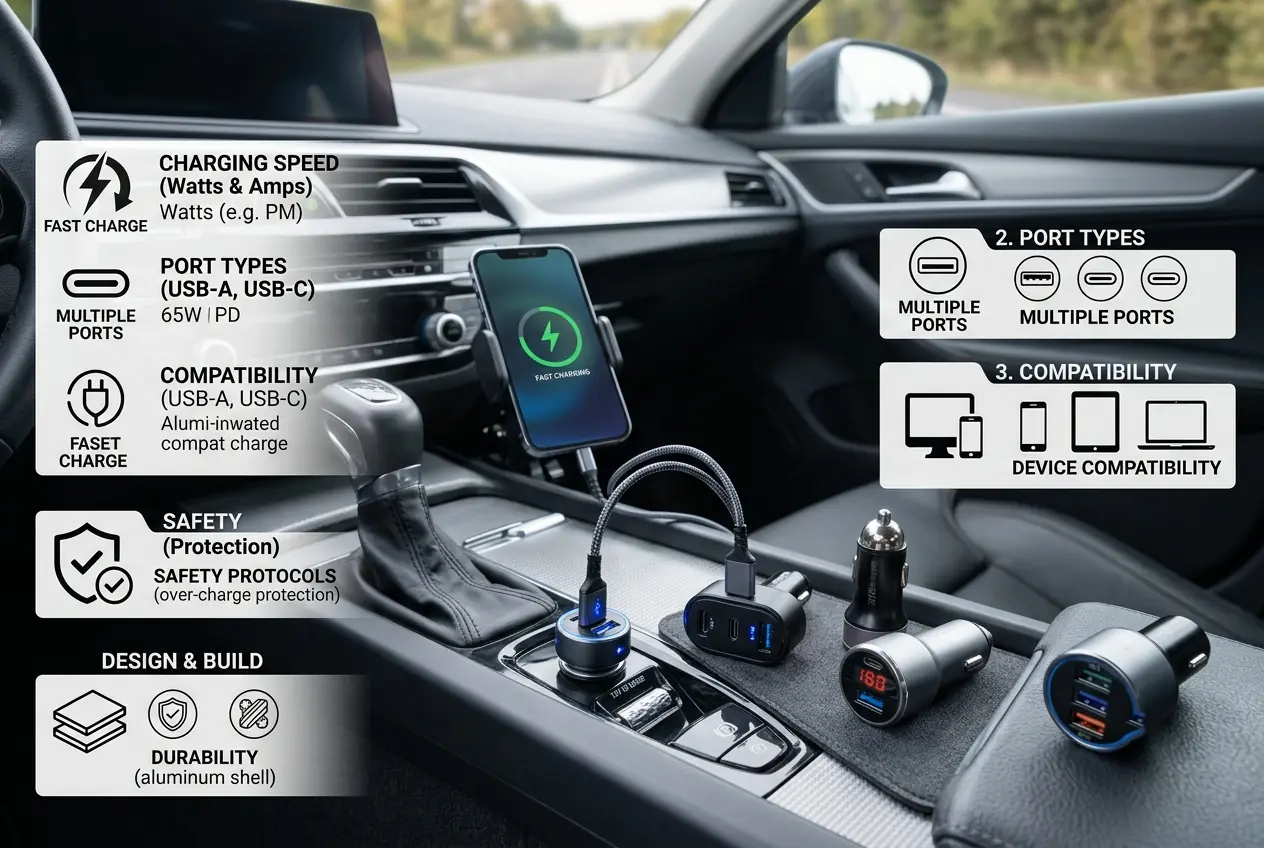
I always test a new charger on a short drive before using it on long trips.
Detailed checklist and buying tips:
I use this checklist to pick a charger for my car and recommend testing it with your devices before long trips.
Pick a car charger that matches device power needs, supports PD or QC protocols, has safety protections and good build quality, and comes from a trusted brand.
"Charging station", https://en.wikipedia.org/wiki/Charging_station. This source explains the basic function of car chargers, including their role in converting vehicle voltage to USB power for charging devices. Evidence role: definition; source type: encyclopedia. Supports: Car chargers convert vehicle electrical supply into USB power for charging devices.. ↩
"Basan Cord 36W Fast Charging PD USB-C & USB-A Car …", https://bookstores.umn.edu/product/technology-supply/basan-cord-36w-fast-charging-pd-usb-c-usb-car-charger. This source discusses USB-C Power Delivery (PD) and its ability to provide faster charging for compatible devices. Evidence role: mechanism; source type: education. Supports: USB-C with Power Delivery (PD) enables faster charging for modern phones and laptops.. Scope note: The source may focus on USB-C PD in general rather than car chargers specifically. ↩
"Multiple devices charging explained – Zens", https://zens.tech/pages/multi-device-charging-explained. This source explains dynamic power allocation in chargers and its benefits for multi-device charging. Evidence role: mechanism; source type: research. Supports: Dynamic power allocation helps chargers effectively charge multiple devices simultaneously.. Scope note: The source may not focus exclusively on car chargers. ↩
"Compliance", https://www.usb.org/compliance. This source explains the significance of CE, FCC, RoHS, and USB-IF certifications for electronic devices. Evidence role: definition; source type: institution. Supports: Certifications like CE, FCC, RoHS, and USB-IF indicate safety and interoperability testing for chargers.. Scope note: The source may not cover all certifications relevant to car chargers. ↩
"Dangers of Batteries and Cell Phone Chargers", https://www.villageofhartland.wi.gov/474/Dangers-of-Batteries-and-Cell-Phone-Char. This source discusses the risks associated with using low-quality, unbranded electronic chargers. Evidence role: expert_consensus; source type: education. Supports: Extremely cheap, no-name chargers may pose risks to device safety and reliability.. Scope note: The source may generalize risks without specific examples of car chargers. ↩
We manufacture what these articles describe, in China and in Vietnam.
FUMEI builds power adapters, wall chargers, car chargers and wireless chargers in China and Vietnam.