I once bought a cheap charger that overheated and never made that mistake again. Safety certification matters because it proves a charger passed tests for electrical safety, electromagnetic...
I once bought a cheap charger that overheated and never made that mistake again.
Safety certification matters because it proves a charger passed tests for electrical safety, electromagnetic compatibility, and performance.1 Certified chargers protect devices, users, and property from fire, shock, and data errors.
Certification reduces risk. It shows the product meets rules and was tested by recognized labs.2 Keep reading to learn how to spot safe chargers and regional certification needs.
Stop here if you just want the bottom line. Read on for signs of safe chargers, common certifications, and how to pick legal units in your area.
I learned the hard way that not all chargers are equal after seeing a cheap unit fail.
Charger certification proves the product meets safety and performance standards. It helps prevent overheating, short circuits, over-voltage events, and interference with other electronics. Certified products also offer traceability and manufacturer accountability.
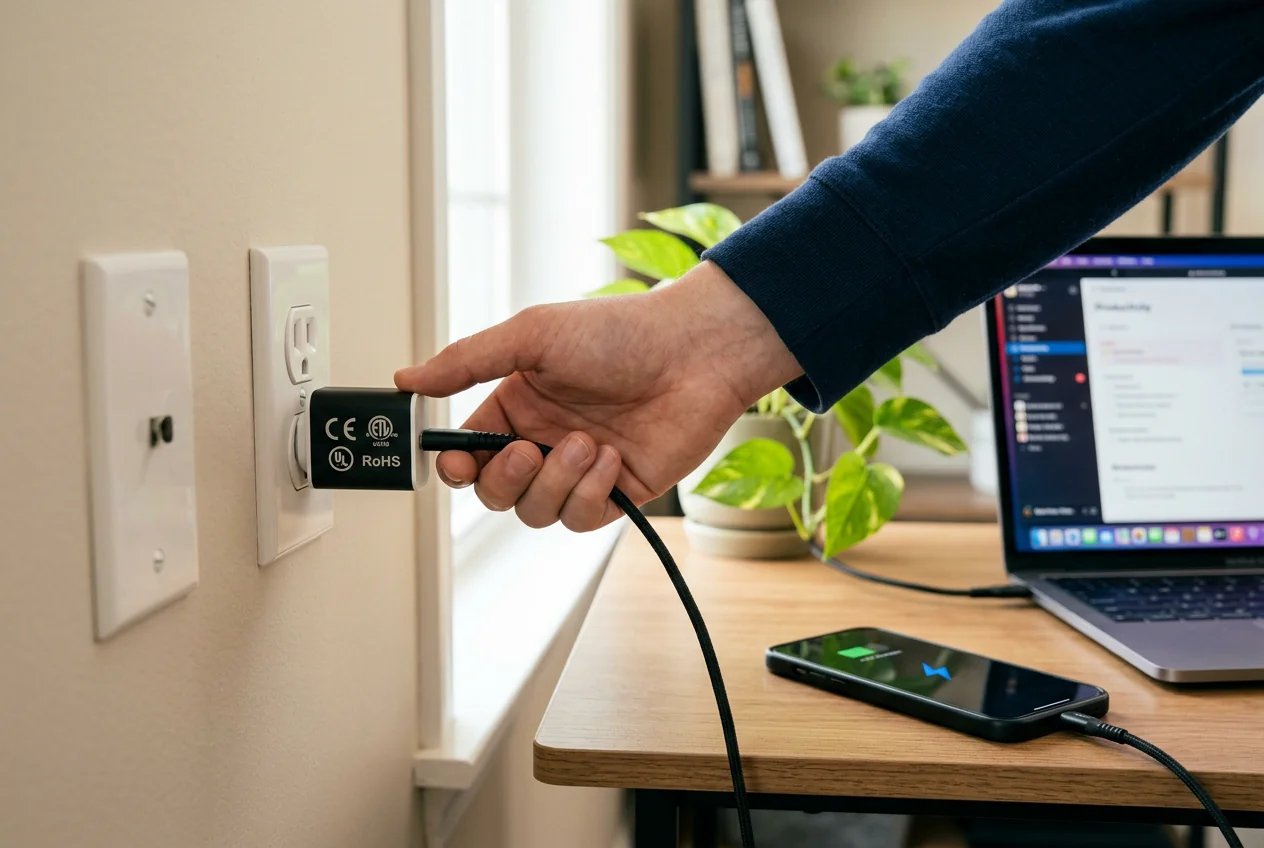
I now only buy chargers with clear marks and documentation.
Why certification matters:
For these reasons, certification is not a marketing detail. It directly affects safety and trust.
I inspect boxes and product pages the same way now before I buy.
A safe USB charger shows recognized certification marks, clear manufacturer information, model numbers, input/output specs, safety feature listings, and user manuals.7 Look for lab test marks, serial numbers, and trusted brand names.
I avoid units that only list vague claims like "safe" without proof.
Checklist to spot a safe charger:
If in doubt, contact the manufacturer for certificates or third-party test reports before buying.
I keep a list of common marks to check depending on where I live and travel.
Common certifications include UL/ETL (North America), CE (Europe), FCC (US EMC), CCC (China), PSE (Japan), KC (Korea), BIS (India), SAA (Australia), and USB-IF for interoperability. Each mark covers different safety, EMC, or performance rules.
I check the relevant marks for the country I’m in before buying.
Key certifications summarized:
Each certification has its own test scope. For example, CE covers safety and EMC, while USB-IF focuses on protocol compliance.
I check local rules before importing or selling chargers to avoid trouble.
Different regions require specific approvals. The EU needs CE and RoHS. The US relies on UL/ETL for safety and FCC for EMC. China requires CCC. Japan needs PSE. Korea, India, Australia, and others have their own mandatory marks and testing paths.
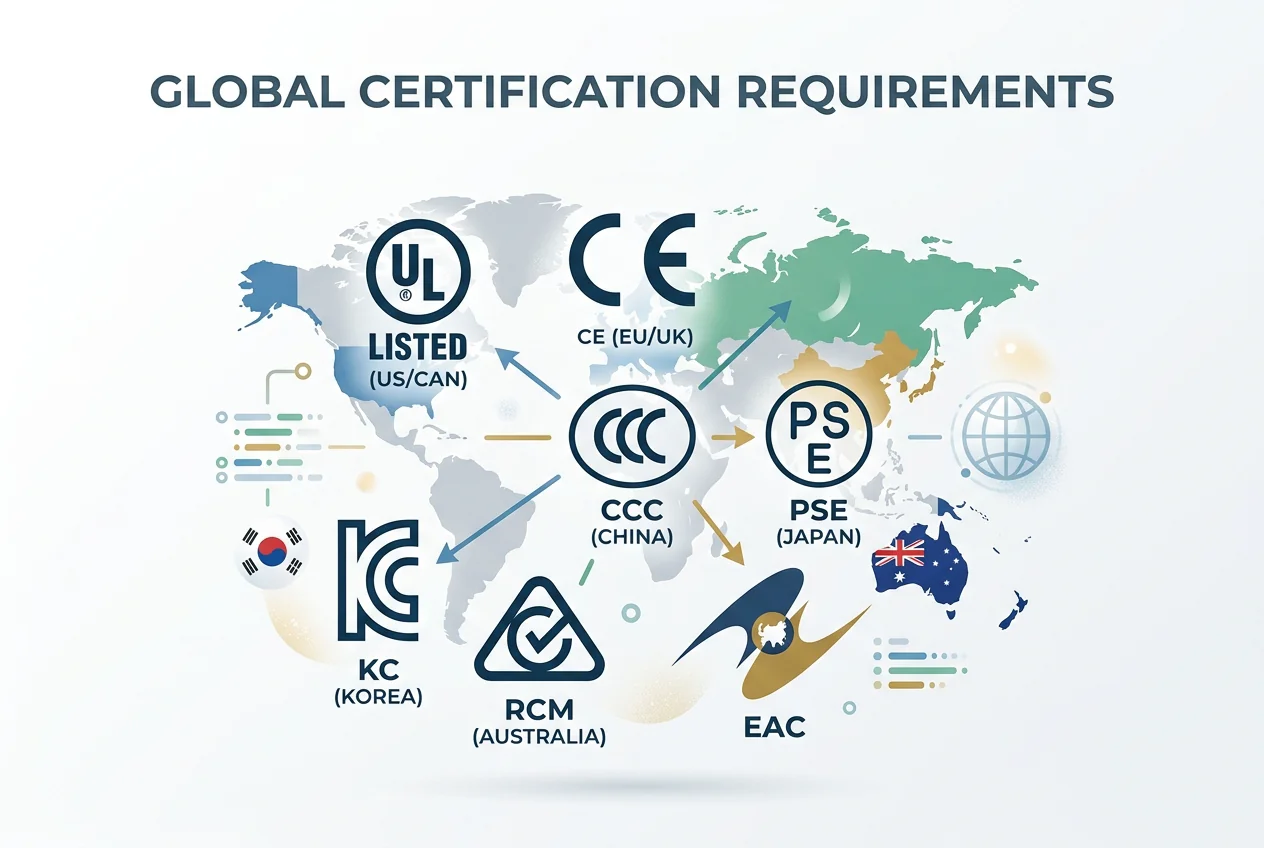
I advise verifying region-specific rules before buying bulk chargers for resale.
Short regional guide:
If you plan to sell chargers, consult a compliance expert or local test lab to confirm which marks and tests your product needs.
I follow a simple process before I buy or import chargers in any market.
Choose a legal charger by checking required regional marks, asking for test reports and certificates, buying from reputable brands or authorized distributors, and ensuring proper labeling and warranty. For bulk import, get formal lab reports and local registration if needed.
I never import or resell chargers without seeing official certificates.
Step-by-step checklist:
Following this process protects customers and your business from legal and safety risks.
Safety certification matters. It ensures chargers are tested, safe, and legal in your market. Always choose certified, traceable products from reputable sources.
"1926.441 – Batteries and battery charging. – OSHA", https://www.osha.gov/laws-regs/regulations/standardnumber/1926/1926.441. This source explains the role of safety certifications in ensuring chargers meet electrical safety, electromagnetic compatibility, and performance standards. Evidence role: definition; source type: education. Supports: Safety certification proves chargers meet safety and performance standards.. ↩
"Energy Conservation Program: Test Procedure for Battery Chargers", https://www.federalregister.gov/documents/2022/09/08/2022-18717/energy-conservation-program-test-procedure-for-battery-chargers. This source outlines how certification processes involve testing by recognized laboratories to ensure compliance with safety rules. Evidence role: mechanism; source type: institution. Supports: Certification reduces risk by ensuring compliance with safety rules and testing by recognized labs.. Scope note: The source may not cover all types of certifications or testing labs. ↩
"Leakage current detection – Elinta Charge", https://elintacharge.com/glossary/leakage-current-detection/. This source details the specific tests certified chargers undergo, such as insulation, leakage current, temperature rise, and fault conditions. Evidence role: mechanism; source type: education. Supports: Certified chargers undergo tests for insulation, leakage current, temperature rise, and fault conditions.. Scope note: The source may focus on specific certifications or regions. ↩
"EMC Compliance: Ensuring Safe Operation of Chargers – Elinta Charge", https://elintacharge.com/glossary/emc-compliance/. This source explains how electromagnetic compatibility testing is a standard part of charger certification processes. Evidence role: mechanism; source type: research. Supports: Certification often includes electromagnetic compatibility testing.. Scope note: The source may not address all certification types or regions. ↩
"RCW 64.90.513: – WA.gov", https://app.leg.wa.gov/RCW/default.aspx?cite=64.90.513. This source discusses how certified chargers comply with local regulations, reducing legal risks for sellers and buyers. Evidence role: general_support; source type: government. Supports: Certified chargers meet local regulations.. Scope note: The source may focus on specific regions or regulations. ↩
"Electric Vehicle Chargers | ENERGY STAR", https://www.energystar.gov/products/ev_chargers. This source highlights how certification provides traceable documentation for consumers, aiding in warranty claims and accountability. Evidence role: mechanism; source type: institution. Supports: Certification provides documentation for consumers.. Scope note: The source may not cover all types of documentation provided by certifications. ↩
"10 key Certifications for USB Wall Chargers clients to know", https://imiapower.com/usb-wall-chargers-import-certifications-guide/. This source lists the characteristics of safe USB chargers, including certification marks and detailed labeling. Evidence role: definition; source type: education. Supports: A safe USB charger shows recognized certification marks, clear manufacturer information, model numbers, input/output specs, safety feature listings, and user manuals.. Scope note: The source may focus on specific charger types or regions. ↩
"[PDF] The ENERGY STAR Brand Book Battery Charging Systems Marks", https://www.energystar.gov/ia/partners/logos/downloads/ES_Brand_Book_Battery_Charging_Systems_Mark_section.pdf. This source explains the significance of various certification marks like CE, FCC, UL, and others in ensuring charger safety and compliance. Evidence role: definition; source type: encyclopedia. Supports: Look for CE, FCC, UL, ETL, TUV, CCC, PSE, KC, BIS, SAA, NOM, or other local marks.. Scope note: The source may not cover all listed certification marks in detail. ↩
"North American Charging Standard – Wikipedia", https://en.wikipedia.org/wiki/North_American_Charging_Standard. This source describes the role of UL and ETL certifications in ensuring electrical safety for chargers in the US and Canada. Evidence role: definition; source type: institution. Supports: UL (Underwriters Laboratories) / ETL: Common in the US and Canada for electrical safety.. Scope note: The source may focus only on North American standards. ↩
"The CE mark gives a false sense of security – CFPA Europe", https://cfpa-e.eu/the-ce-mark-gives-a-false-sense-of-security/. This source explains the CE mark’s role in ensuring compliance with EU safety and EMC directives for chargers. Evidence role: definition; source type: government. Supports: CE (Conformité Européenne): Required for products sold in the European Economic Area.. Scope note: The source may not cover all aspects of CE certification. ↩
We manufacture what these articles describe, in China and in Vietnam.
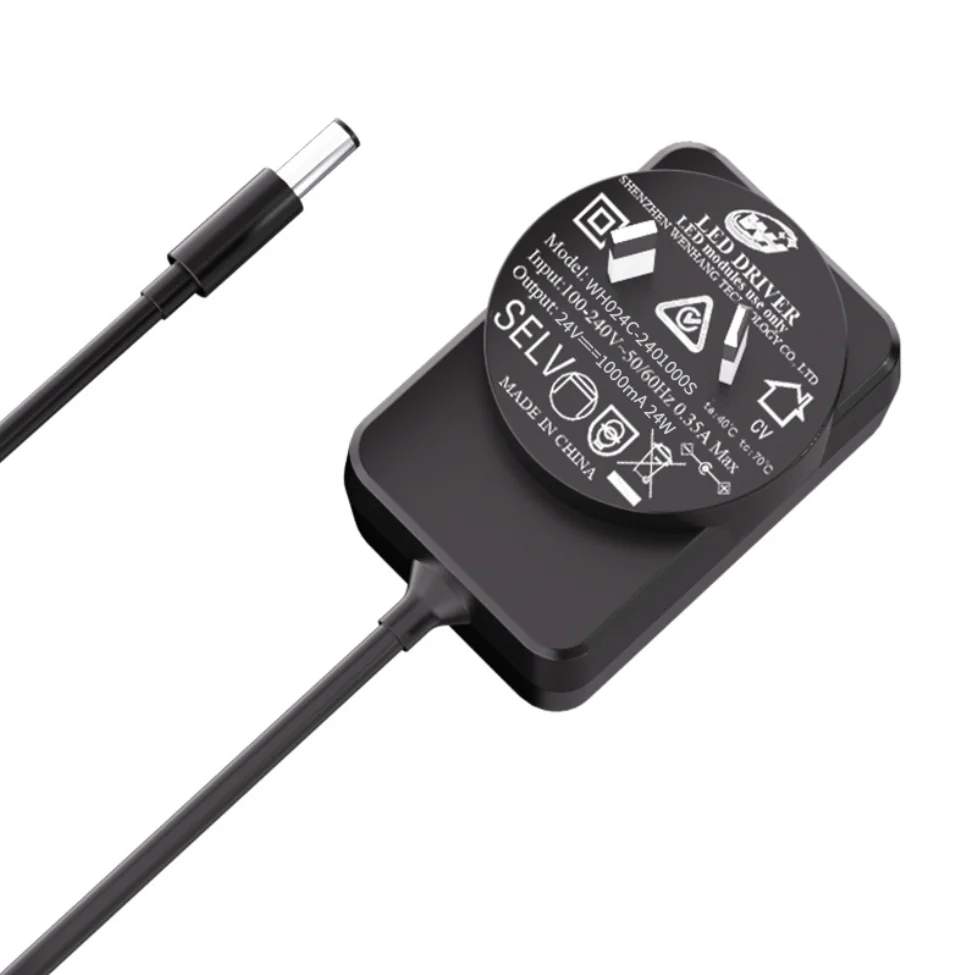
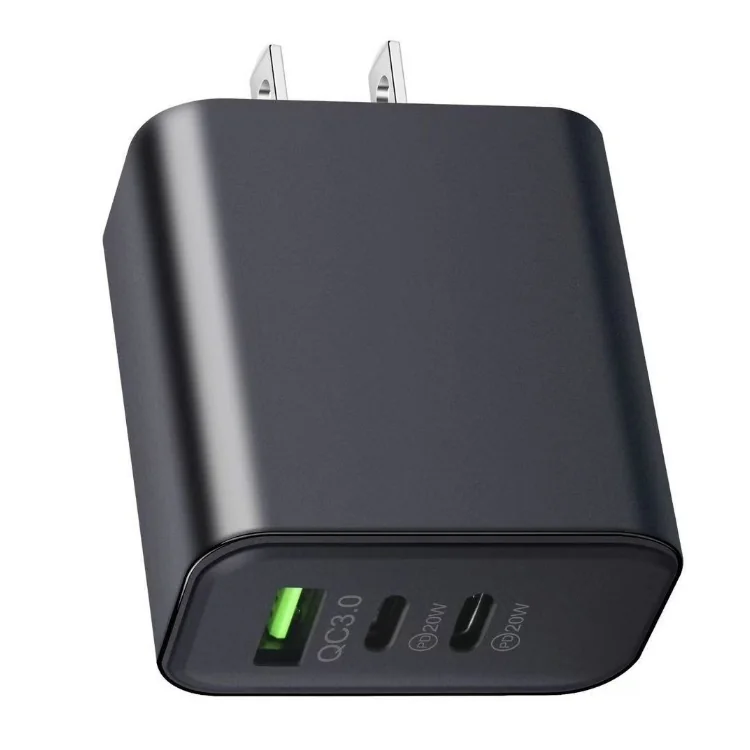
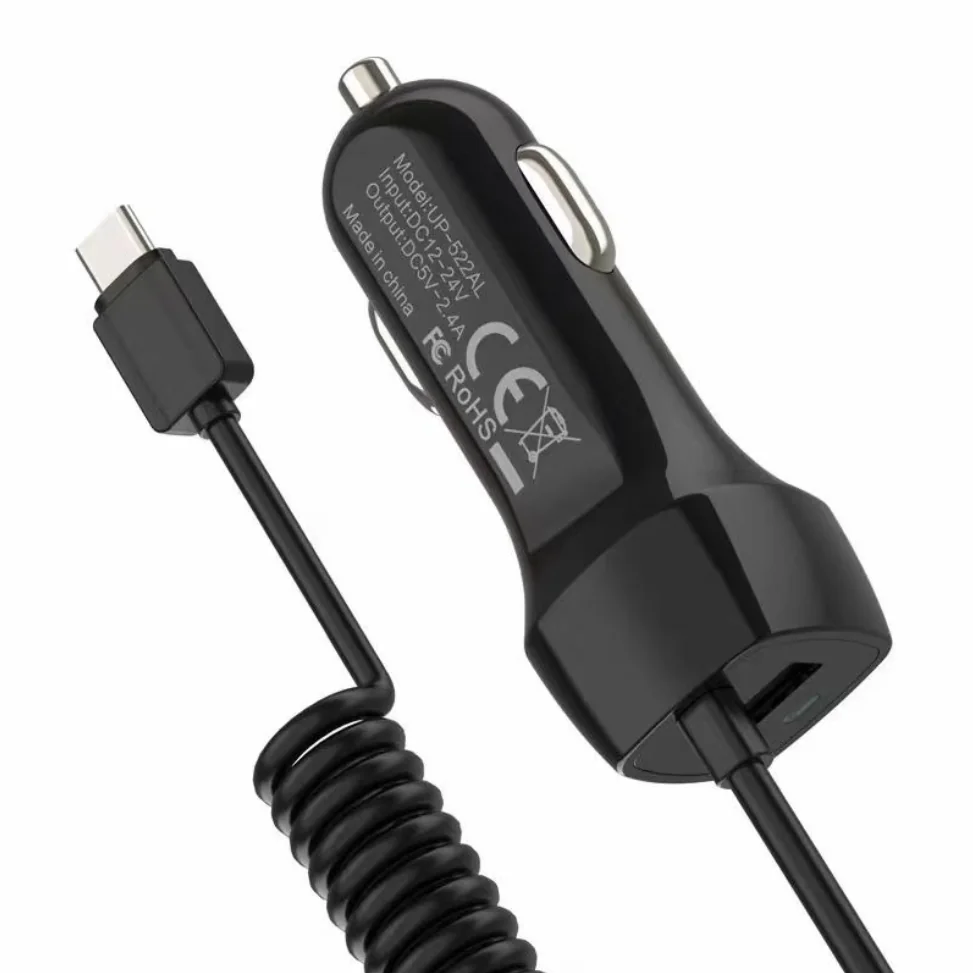
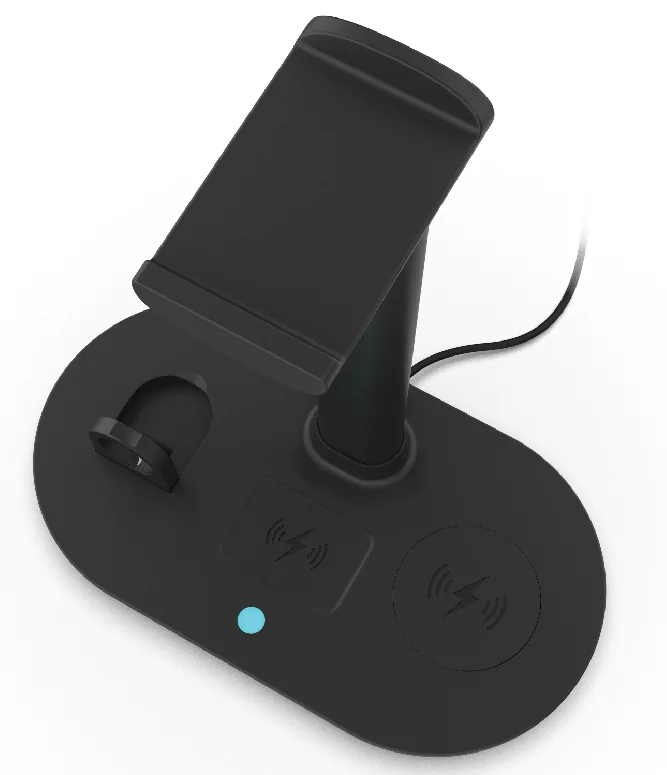
FUMEI builds power adapters, wall chargers, car chargers and wireless chargers in China and Vietnam.