I used a drawer full of cables and then switched to USB-C and felt less clutter instantly. USB-C is becoming mainstream because it offers faster charging, higher data rates, reversible plugs, broad...
I used a drawer full of cables and then switched to USB-C and felt less clutter instantly.
USB-C is becoming mainstream because it offers faster charging, higher data rates, reversible plugs, broad device compatibility, and a single standard for regulators and manufacturers.1
USB-C solves many pain points of older connectors and fits modern phones, laptops, and accessories, so the market and regulators favor it.
Stop here for the short version. Keep reading to understand why USB-C rose, why Apple waited, and the real advantages over Lightning.
I looked at chargers, laptops, and phones and saw the same connector everywhere.
USB-C became popular because it supports high power and fast data, is reversible, and unifies charging across many device types, reducing waste and simplifying accessory ecosystems.
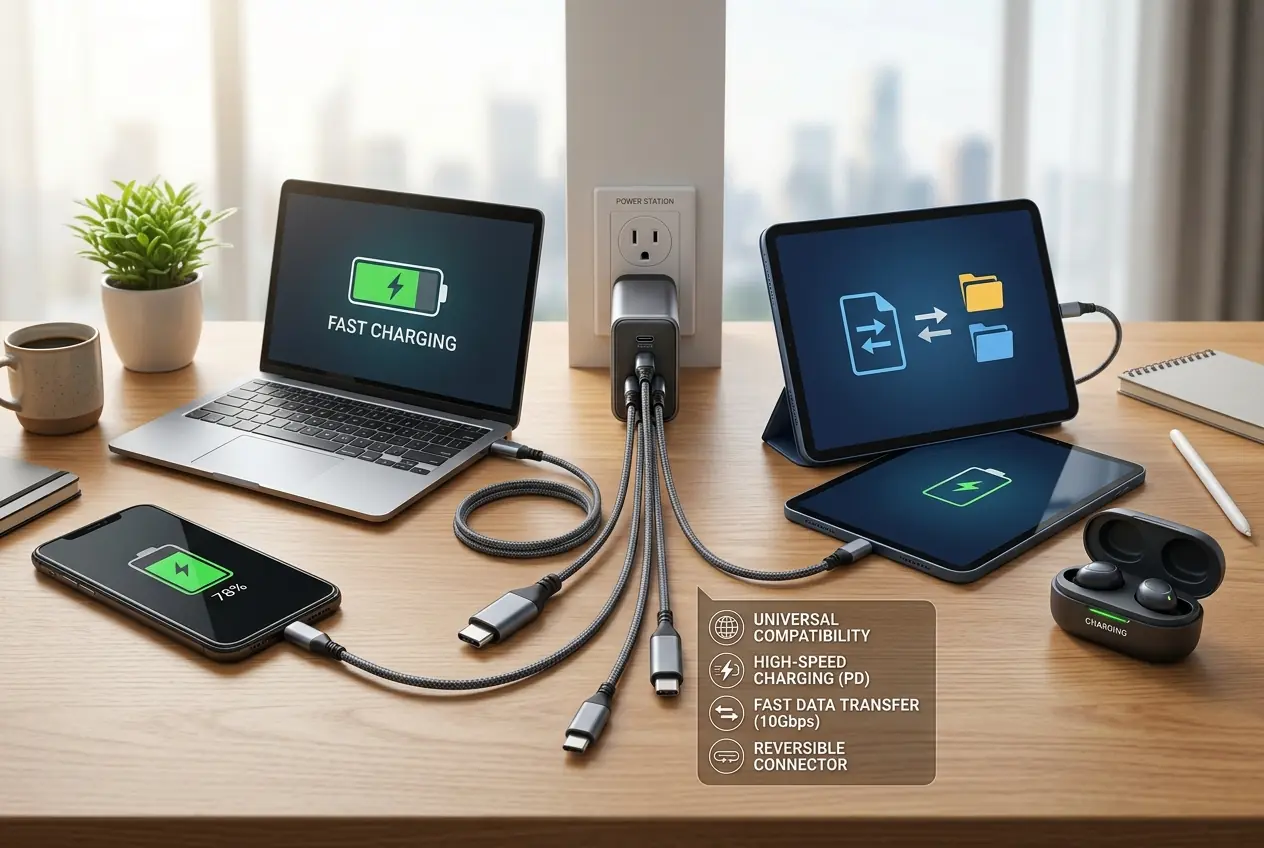
I noticed fewer adapters and fewer lost cables after I standardized on USB-C.
Key reasons in more detail:
All these practical reasons made USB-C a natural mainstream choice.
I followed Apple’s product cycles and regulatory moves and saw why the company delayed the switch.
Apple delayed switching to USB-C because it had a large Lightning accessory ecosystem, tight control over user experience, and business considerations.5 Regulatory pressure and market balance ultimately made the change inevitable.
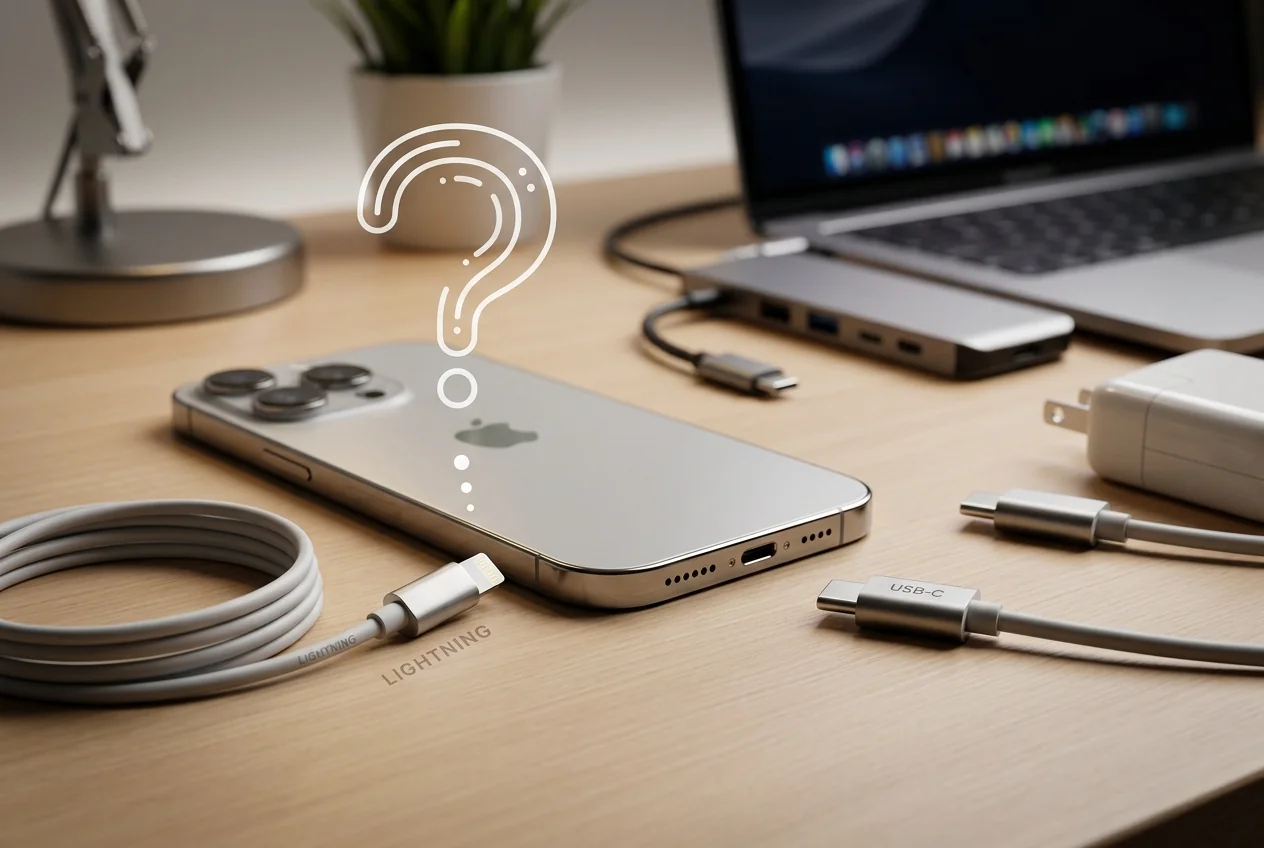
I kept Lightning cables for years, but then Apple adopted USB-C for some products before switching phones.
More context and reasons:
In short, Apple waited until the ecosystem and regulatory environment made the move practical and acceptable for users and partners.
I compared ports side by side on speed, power, and practical use.
USB-C is generally better for power, data, and universality. Lightning still works well for Apple’s closed ecosystem, but USB-C wins on cross-device use and higher technical ceilings.
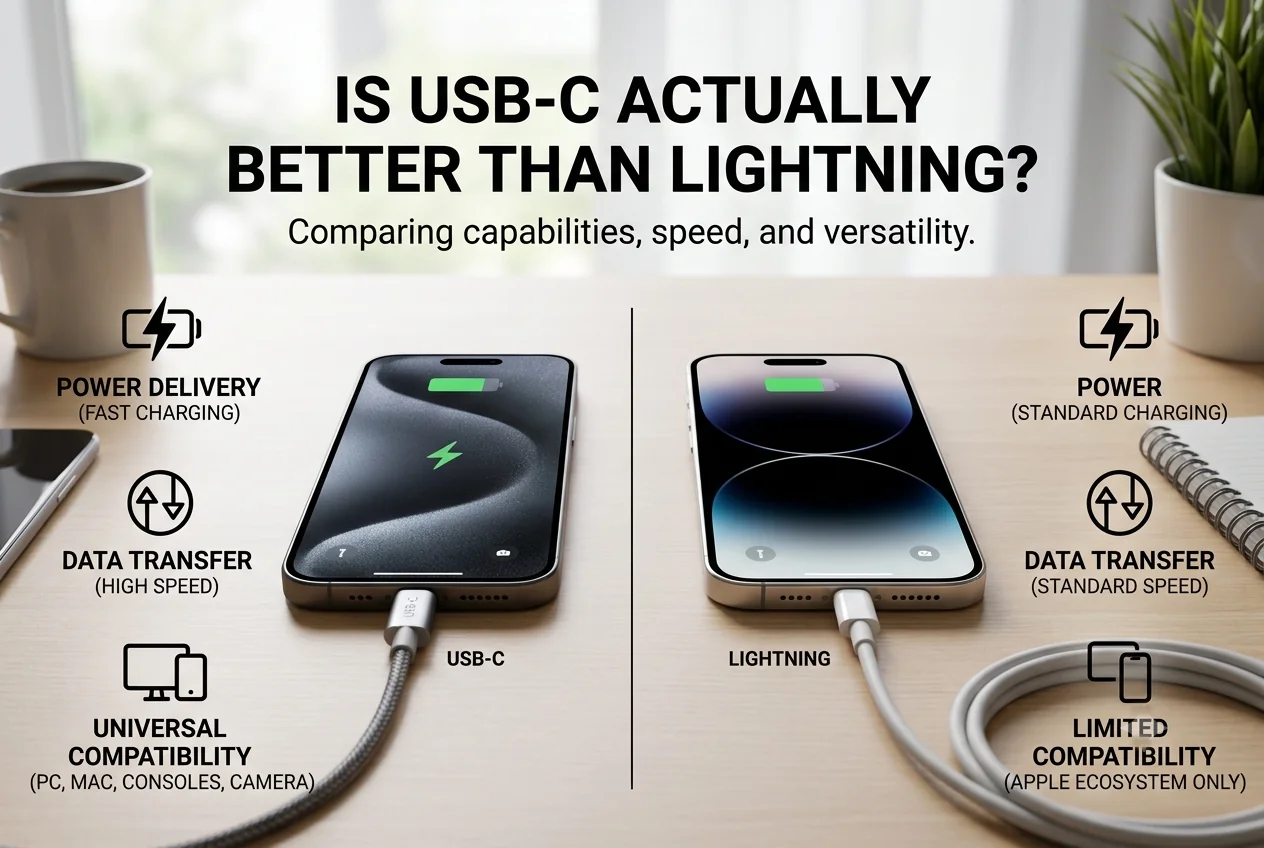
I keep a few Lightning cables for older accessories, but I prefer USB-C for every new purchase.
Direct comparison points:
Overall, USB-C offers more flexibility and higher technical capability, while Lightning provided a controlled, consistent experience for Apple users.
I list clear, practical advantages that matter when you pick chargers and cables.
1. Higher power delivery
USB-C with PD can supply tens to hundreds of watts. This lets one charger serve phones, tablets, and many laptops.
2. Faster data transfer
USB-C supports modern high-speed protocols. Backups and file transfers are much faster on compatible devices.
3. Single-port convenience
One port type covers power, data, and video. That reduces ports on thin devices and simplifies docks.
4. Reversible plug
No more flipping the cable. The reversible design reduces frustration and wear.
5. Broad compatibility
Phones, laptops, accessories, cameras, and peripherals adopt USB-C. You can use the same cable across many devices.
6. Better video support
USB-C can carry DisplayPort or HDMI signals via adapters.8 This enables external displays without extra ports.
7. Future scalability
New USB-C specs increase power and speed. The connector can evolve with device needs.
8. Regulatory and market momentum
Regulators and industry adoption push USB-C as a common standard.9 This reduces e-waste and simplifies consumer choices.
9. Improved accessory pricing
Standardization lowers accessory costs and increases availability.
USB-C becomes mainstream because it unifies power, data, and video with higher speeds and flexible power. It is more future-proof and fits the modern multi-device world.
"Why Every Tech Enthusiast Is Switching to USB-C Monitor – See …", https://dev-dining.rice.edu/info/why-every-tech-enthusiast-is-switching-to-usb-c-monitor–see-why-9883978. This source explains the technical advantages of USB-C, including its faster charging and data rates, as well as its role in standardizing device compatibility. Evidence role: mechanism; source type: education. Supports: USB-C is becoming mainstream due to its technical advantages and regulatory support.. ↩
"USB Charger (USB Power Delivery)", https://www.usb.org/usb-charger-pd. This source provides details on USB Power Delivery specifications and the wattage range supported by USB-C. Evidence role: definition; source type: research. Supports: USB-C supports a wide range of power delivery, including up to 240W with recent specifications.. Scope note: The wattage range may vary depending on cable and device compatibility. ↩
"MC9C4AM/A – Thunderbolt 5 (USB-C) Pro Cable (1 m) | MSU Tech …", https://techstore.msu.edu/shop_product_detail.asp?catalog_group_id=MTY&catalog_group_name=QWNjZXNzb3JpZXM&catalog_id=56&catalog_name=QXBwbGUgTWFjQm9vayAmIERlc2t0b3AgQWNjZXNzb3JpZXM&pf_id=3216&product_name=TUM5QzRBTS9BIC0gVGh1bmRlcmJvbHQgNSAoVVNCLUMpIFBybyBDYWJsZSAoMSBtKQ&type=1&target=shop_product_list.asp. This source outlines the data transfer capabilities of USB-C, including support for USB 3.2 and Thunderbolt standards. Evidence role: definition; source type: education. Supports: USB-C supports high-speed data transfer protocols such as USB 3.2 and Thunderbolt 3/4.. Scope note: The actual speed depends on device and cable compatibility. ↩
"E-Waste More Information", https://dtsc.ca.gov/e-waste-more-information/. This source discusses regulatory efforts in the EU to mandate USB-C as a common charger standard to reduce electronic waste. Evidence role: historical_context; source type: government. Supports: Regulators in the EU have promoted USB-C adoption to reduce e-waste.. Scope note: The regulatory push is specific to certain regions like the EU and may not apply globally. ↩
"The European Union’s New USB-C Standardization …", https://scholarlycommons.law.northwestern.edu/cgi/viewcontent.cgi?article=1899&context=njilb. This source analyzes Apple’s strategic reasons for delaying the adoption of USB-C, including its established Lightning ecosystem and business interests. Evidence role: expert_consensus; source type: institution. Supports: Apple delayed USB-C adoption due to its established Lightning ecosystem and strategic business considerations.. Scope note: The analysis may focus on Apple’s perspective and not include external pressures comprehensively. ↩
"USB-C vs Lightning: Which Charges Better and Faster?", https://rorry.com/blogs/editors-picks/usb-c-vs-lightning-charging-comparison?srsltid=AfmBOop9EHXtk5D6lT1hCvDl6MgZ-1Ie-G2L0zMEWdqz1DRdfE1EcgpW. This source confirms the higher wattage capabilities of USB-C with Power Delivery compared to older standards. Evidence role: statistic; source type: research. Supports: USB-C with Power Delivery supports higher wattage compared to older standards.. Scope note: The wattage comparison may vary depending on device and cable specifications. ↩
"The Ultimate Guide to USB-C: Unlocking Key Benefits of …", https://imba.missouri.edu/benefits-of-type-c-3397594031.html. This source details the data transfer speeds achievable with USB-C under USB 3.x and Thunderbolt standards. Evidence role: statistic; source type: education. Supports: USB-C supports high transfer speeds under USB 3.x and Thunderbolt standards.. Scope note: Transfer speeds depend on device and cable compatibility. ↩
"C2G USB C to HDMI Adapter – USB C 3.1 – External video adapter …", https://techstore.msu.edu/shop_product_detail.asp?catalog_group_id=MTY&catalog_group_name=QWNjZXNzb3JpZXM&catalog_id=29&catalog_name=QWRhcHRlcnMgJiBOZXR3b3JraW5nIENhYmxlcw&pf_id=1059&product_name=QzJHIFVTQiBDIHRvIEhETUkgQWRhcHRlciAtIFVTQiBDIDMuMSAtIEV4dGVybmFsIHZpZGVvIGFkYXB0ZXIgLSBVU0ItQyAzLjEgLSBIRE1JIC0gd2hpdGU&type=1&target=shop_product_list.asp. This source explains how USB-C supports video output through DisplayPort and HDMI signals using adapters. Evidence role: mechanism; source type: education. Supports: USB-C can transmit video signals like DisplayPort and HDMI using adapters.. Scope note: The video output capability requires compatible adapters and devices. ↩
"The European Union’s New USB-C Standardization …", https://scholarlycommons.law.northwestern.edu/cgi/viewcontent.cgi?article=1899&context=njilb. This source highlights the role of regulators and industry trends in promoting USB-C as a universal standard. Evidence role: expert_consensus; source type: institution. Supports: Regulators and industry trends have promoted USB-C as a common standard.. Scope note: The push for standardization may vary by region and industry sector. ↩
We manufacture what these articles describe, in China and in Vietnam.
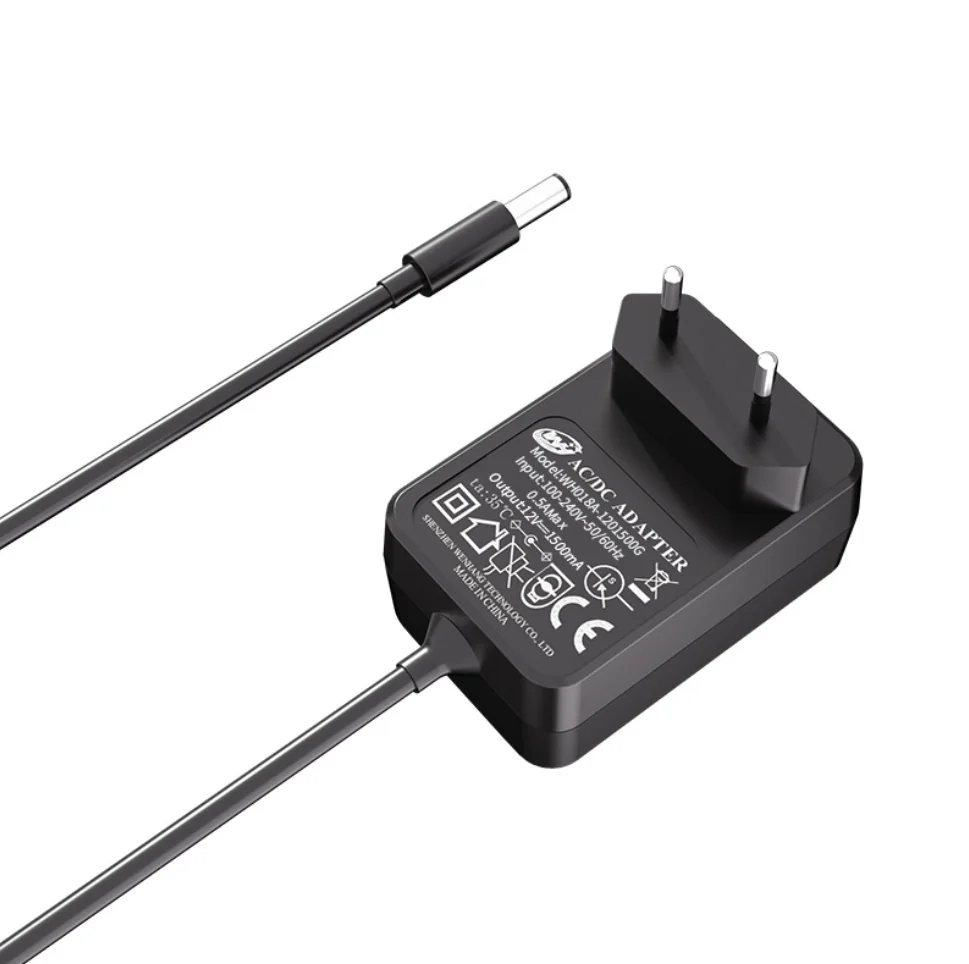
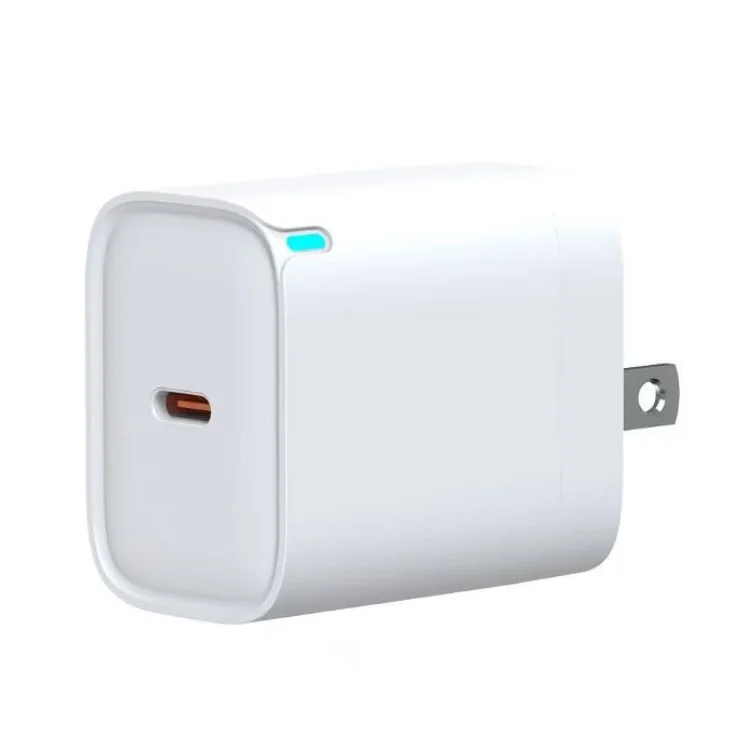
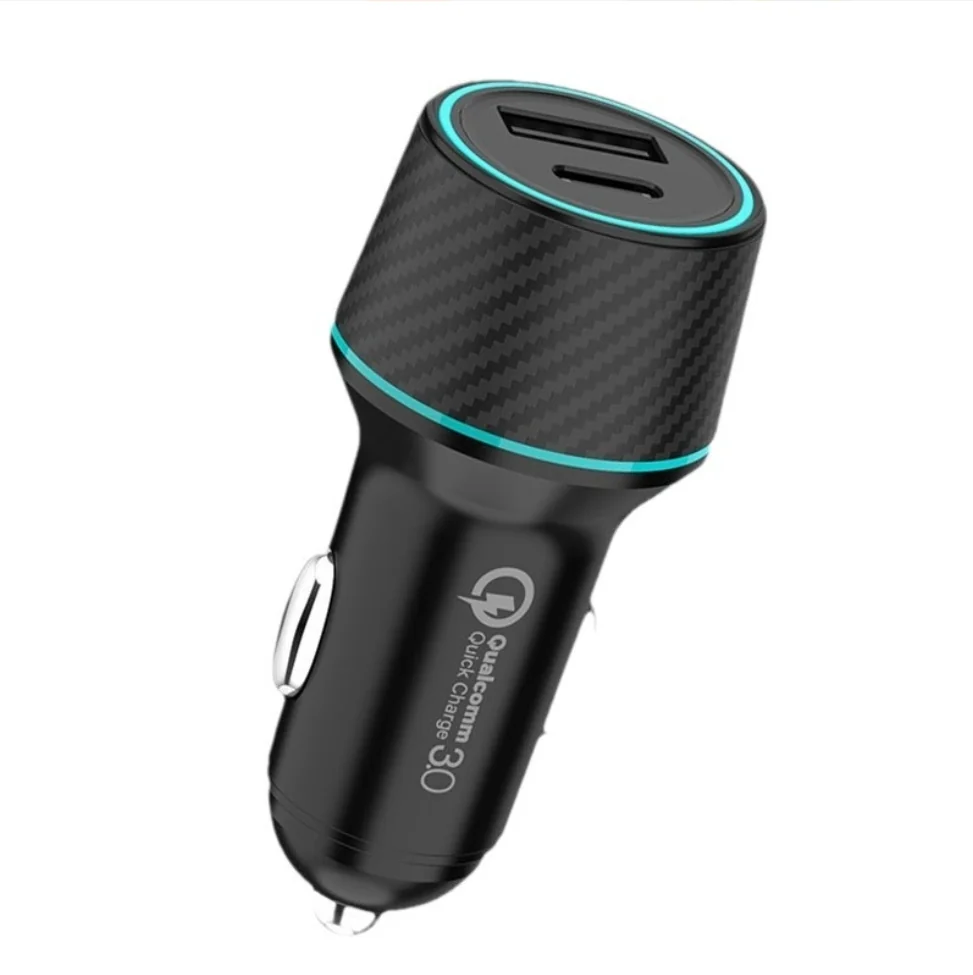
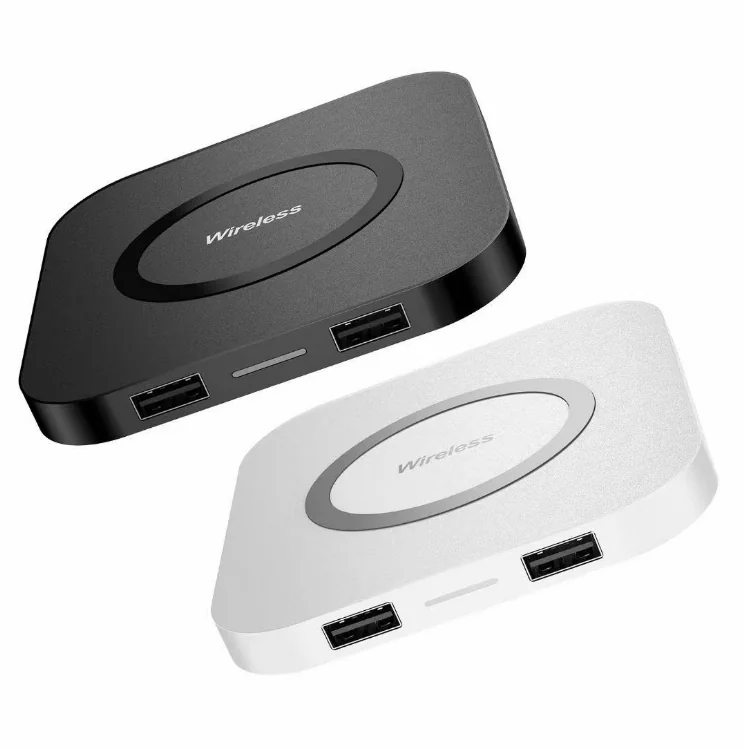
FUMEI builds power adapters, wall chargers, car chargers and wireless chargers in China and Vietnam.