
- Home
- Knowledge Center
- Reading A Diamond Grading Report Without Overpaying
Reading A Diamond Grading Report Without Overpaying
The report tells you four things and implies a fifth. Only two of them are visible on a hand, and those are not the two most buyers pay a premium for.
Colour Stops Mattering Sooner Than The Chart Suggests
D, E and F are all described as colourless, and on a finished ring in white metal almost nobody distinguishes them. The published 1.50 ct solitaire in this range is E, described on the source listing as completely white. G and H still face up white in most settings and cost noticeably less. Warm metal changes the calculation again: in 18K yellow or rose gold, a G or an H reads perfectly well because the metal is already casting warm light into the stone.
Clarity Is A Threshold, Not A Scale
The question is whether an inclusion is visible to the naked eye at normal viewing distance. VS2 is described on the source listing as loupe clean, meaning you need magnification to find anything. Paying up from VS2 to VVS1 buys certificate grade, not appearance. Paying down to SI can be fine or can be a visible black crystal under the table, which is why SI stones should be seen, not bought on a grade.
Cut Is The One To Spend On
Cut is what produces fire and brilliance, and it is the only grade on the report that changes how the stone behaves in ordinary light. The eternity band in this range is specified at 3EX, meaning excellent cut, polish and symmetry. A poorly cut two carat stone looks smaller and duller than a well cut one and a half carat stone, which is the trade's least intuitive and most reliable rule.
Carat Weight Is Not Size
Two stones at the same carat weight can face up noticeably different in diameter, because weight can be hidden in a deep pavilion. The measurement that matters is the millimetre diameter. The published 1 ct stone in this range is specified at 6.5 mm, which is the number to compare, not the carat.
Check The Inscription, Then Keep The Report
A certified stone carries the report number laser inscribed on the girdle. Matching the two is a thirty-second job with a loupe and it is the only verification step that actually proves you received the stone on the paper. Keep the report afterwards: it is the document the stone is resold against.
Products Referenced In This Guide
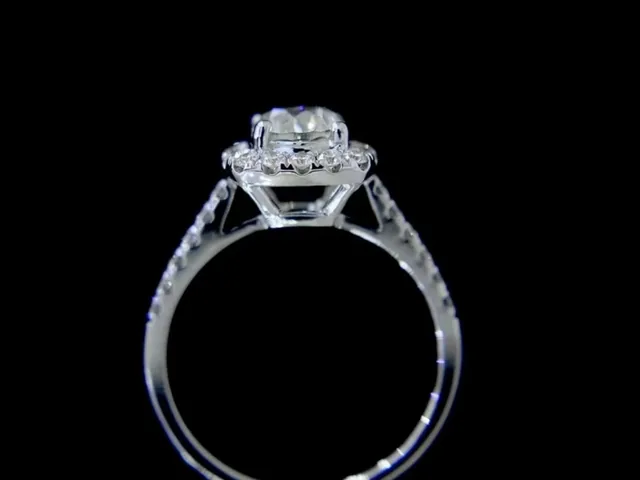
GIA 1.5 Carat Round Cut Diamond Engagement Ring
A GIA certified 1.50 ct round cut diamond at E colour and VS2 clarity, set in 18K white gold, with production in 10 days or less.
See the specification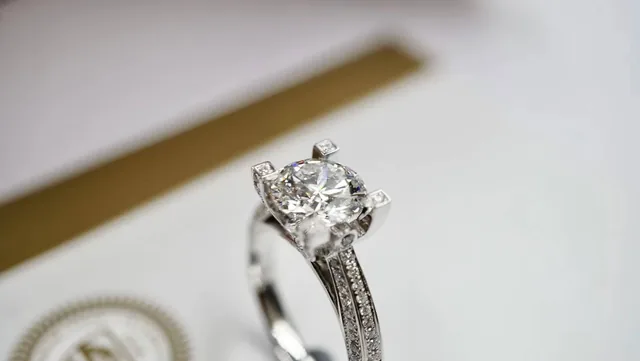
GIA 2.01ct Round Brilliant Engagement Ring
A vintage-styled solitaire carrying a GIA certified 2.01 carat round brilliant cut natural diamond, crafted in 750 solid 18K gold with a low profile shank.
See the specification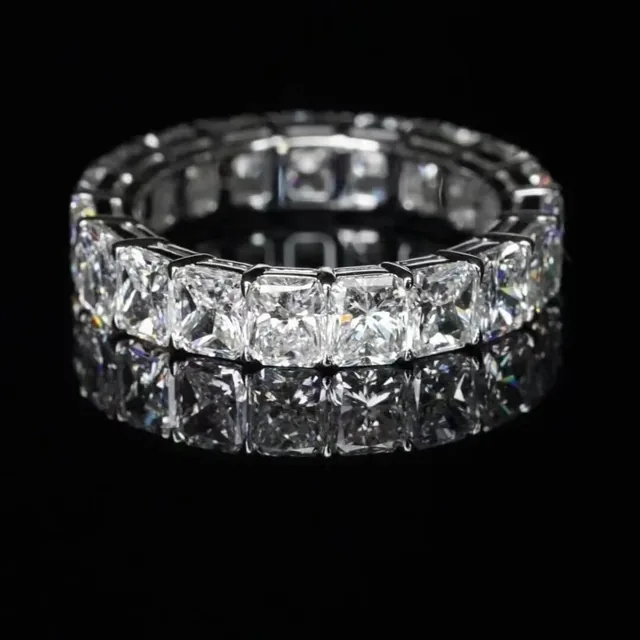
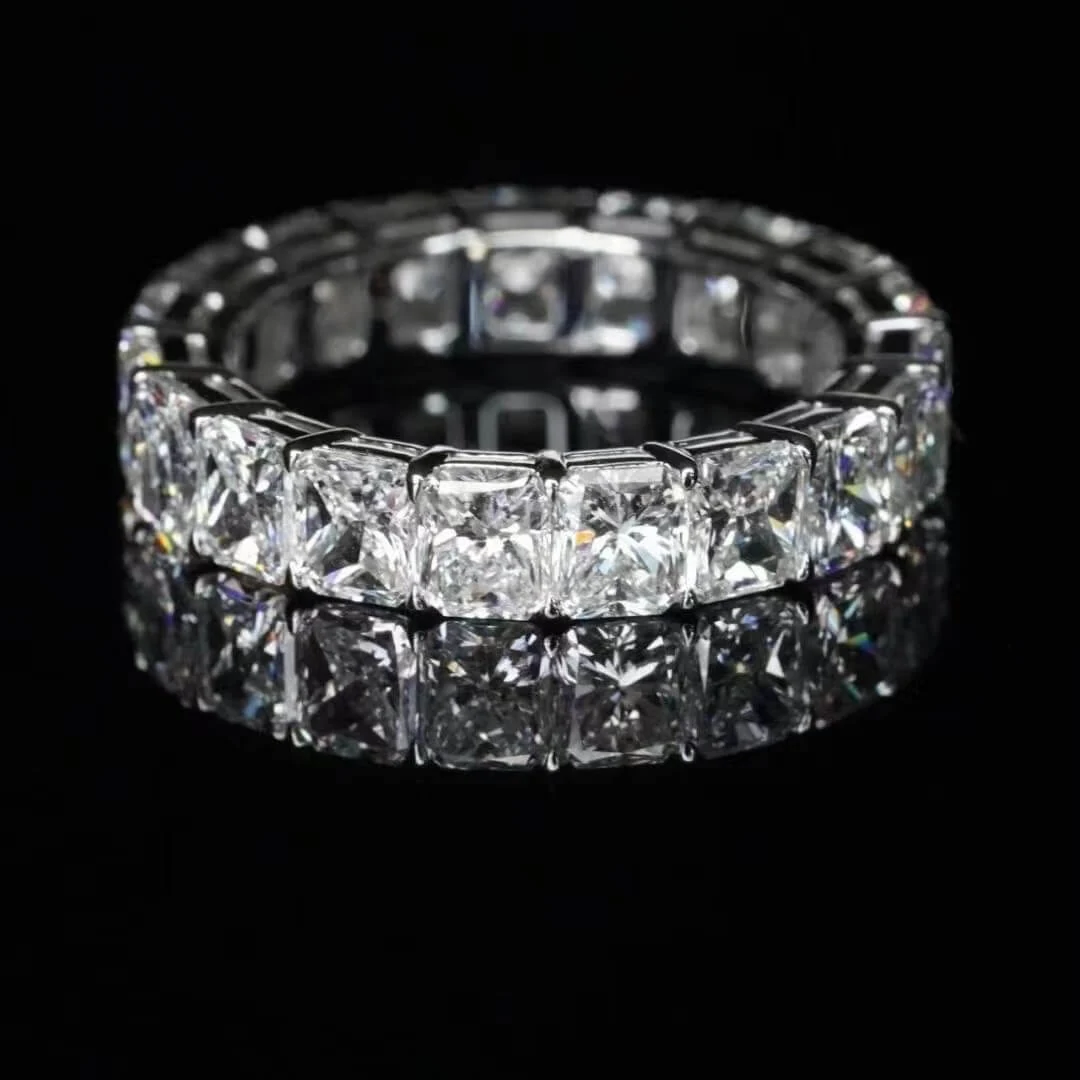
5.7ct Radiant Cut Diamond Eternity Band
A full eternity band carrying approximately 5.7 cttw of elongated radiant cut white diamonds in a shared prong setting, hand made in solid 18K gold.
See the specificationProduct Families Covered
Questions About This Guide
Which grade combination gives the best value?
Is a GIA report worth paying for?
Put This Into Practice
Send what you want made and a recommendation comes back with the matching specifications comes back by email.