Automatic Mini Paint Roller Thermofusion Winding Machine
Winds and thermofusion-bonds fabric onto PP cores from 11.5 mm to 28 mm — the mini and trim roller sizes — with automatic tube loading and a single operator.
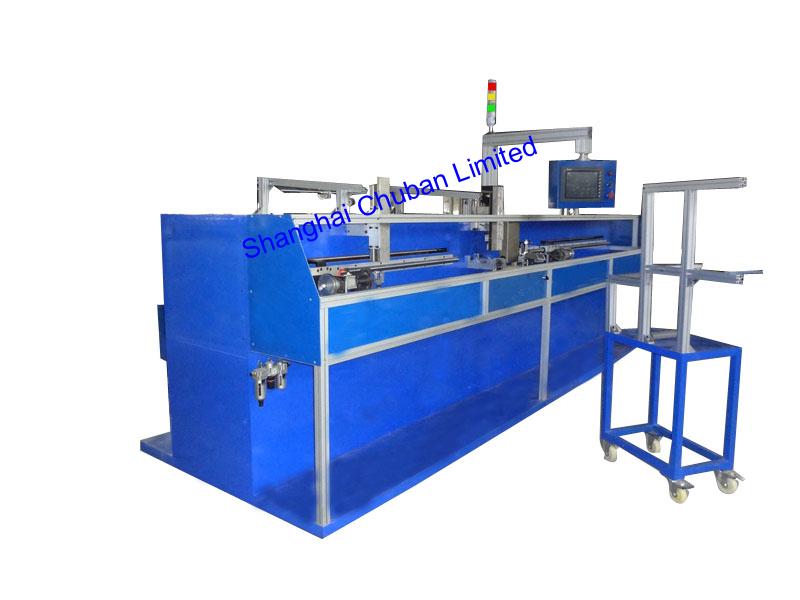
Technical specification
| Outline dimensions | 4,800 (L) × 1,600 (W) × 2,200 (H) mm |
|---|---|
| Floor area required | 5 × 2.5 m |
| Core diameter | 11.5 – 28 mm |
| Wound tube length | 1,230 – 1,380 mm (other lengths to order) |
| Power supply | AC 380 V / 220 V, 50/60 Hz, 3 phase |
| Air supply | 0.6 MPa |
| Average output | 2,000 pcs / hour |
| Tube loader capacity | 100+ pcs (can be customised) |
| Operators required | 1 |
| Gas consumption | 15 kg cylinder per 16 running hours |
| Oxygen consumption | 15 MPa — 4 cylinders per 16 running hours |
How it works
- Automatic pipe loading with consistent, continuous winding.
- Thermofusion / thermobonding head for PP pipe, with flame supervision and temperature adjustment.
- Built to order for your core diameters and production line length.
- Winds up to 8 metres of tube per minute — over 16,000 nine-inch roller covers per 8-hour shift.
- Fast changeover between diameters.
Request a quote for the SHCB01
Also in this line
- SHCB02
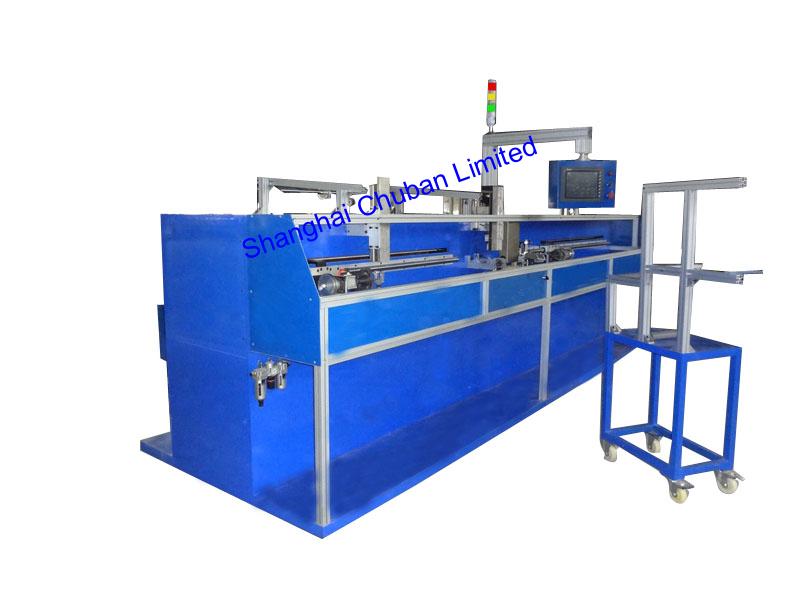
Automatic Paint Roller Thermofusion Winding Machine
Our patented thermofusion process bonds fabric to the PP core without adhesive — the heart of a modern roller cover line, running 2,000 pieces an hour with one operator.
Specifications - YCL03Photo on request
Automatic Paint Roller Hot Melt Gluing Machine
Adhesive-bonded winding, for fabrics and core materials that are not suited to thermofusion.
Specifications - SHCB04
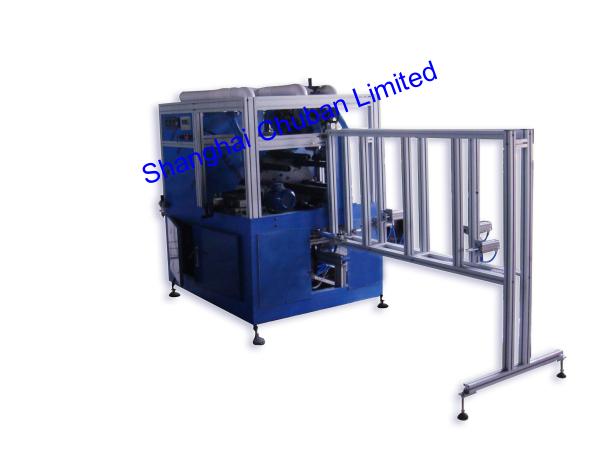
Automatic Paint Roller Finishing Machine
Takes wound tubes and delivers finished roller covers: loading, cutting, carding, bevelling and shearing under touch-screen control.
Specifications
Get in touch
Tell us what you produce — we will quote the line.
Write to Nicol Liu directly. Include these four things and we can come back with a machine list, output figures, a floor plan and a price, usually within one working day:
- 1Roller sizes you make — diameter and length, in mm or inches.
- 2Fabric or pile you use, and the core material.
- 3Target output per hour or per shift.
- 4What you already run, if you are adding to an existing line.