
What Space Horticulture Says About Growing Under LED
NASA's use of LED horticultural lighting to tune growing recipes for plants in orbit is the clearest published case for spectrum control in indoor growing.
The application
NASA uses LED horticultural lighting to tune recipes for plants in space, intended to let crews grow produce more quickly during space travel and aboard the International Space Station.
Why LED rather than anything else
Mass, heat and electrical load are all constrained in orbit, and spectrum can be selected rather than filtered. The same three constraints apply, less dramatically, to a grow room in a building.
The UV finding
Among the reported advantages is that UV can eliminate plant pathogens - which is a growing-protocol observation, not a claim about any product in this catalogue.
What it means for a grower buying a lamp
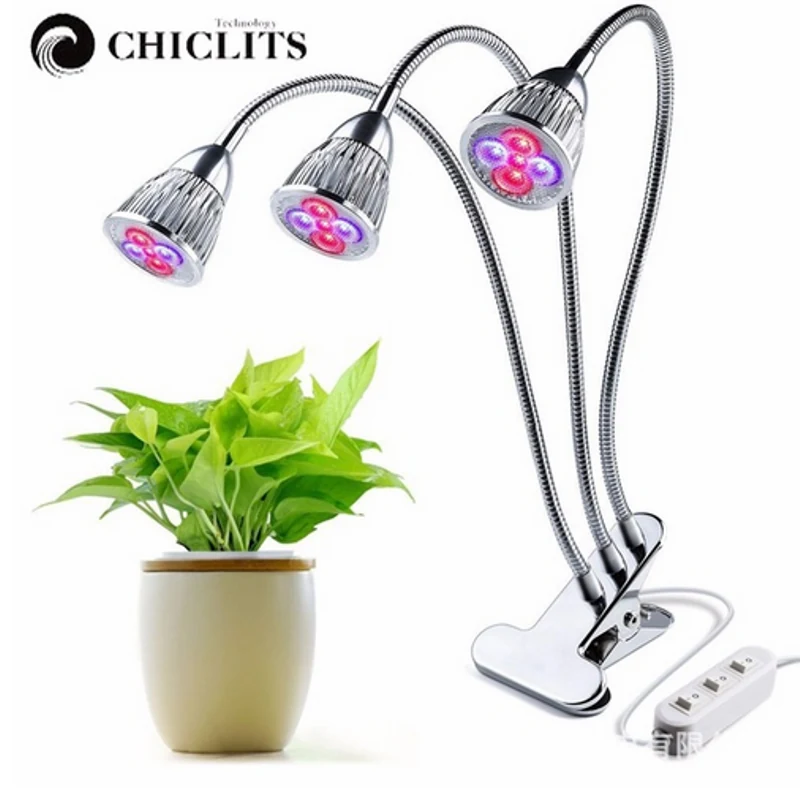
Position and spectrum are doing the work, which is why an adjustable multi-head fixture beats a fixed panel of the same wattage over a mixed tray.
References This Note Refers To
Also In The Knowledge Centre
360 Degree LED Bulbs: What Changed When the Beam Went All the Way Round
Why the 360 degree LED bulb family was launched, what power and base options it covers, and where it genuinely replaces an incandescent lamp.
Read →Buying GuideKelvins and Lumens: The Two Numbers Buyers Get Wrong
Colour temperature and light output are the two specifications that decide whether a lamp is accepted on site, and they are routinely confused with each other and with watts.
Read →Technical NoteInside the Wi-Fi Downlight Platform: 2.4GHz, 1 to 100 Percent, 20 to 30 Metres
The documented specification of the Wi-Fi controlled downlight family, and what those numbers mean for a real building.
Read →Questions On This Note
Do your grow lamps replicate NASA's recipes?
Order The Products Behind This Note
Quote the reference names with your quantities and destination port, and the price comes back with packing detail.