
Haitz's Law, and Why LED Prices Keep Falling Under You
The cost curve that governs LED pricing is the reason a lighting programme priced twelve months ago is probably priced wrong today.
Who Haitz was
Dr Roland Haitz, the solid state lighting figure whose name is attached to the observation about LED cost and output trends, died in 2015 at the age of 80 after a long career in the field.
What the observation says in commercial terms
Output per package rises and cost per lumen falls, steadily, over time. For a buyer this means the reference you bought last season is both cheaper and outperformed this season.
The visible consequence
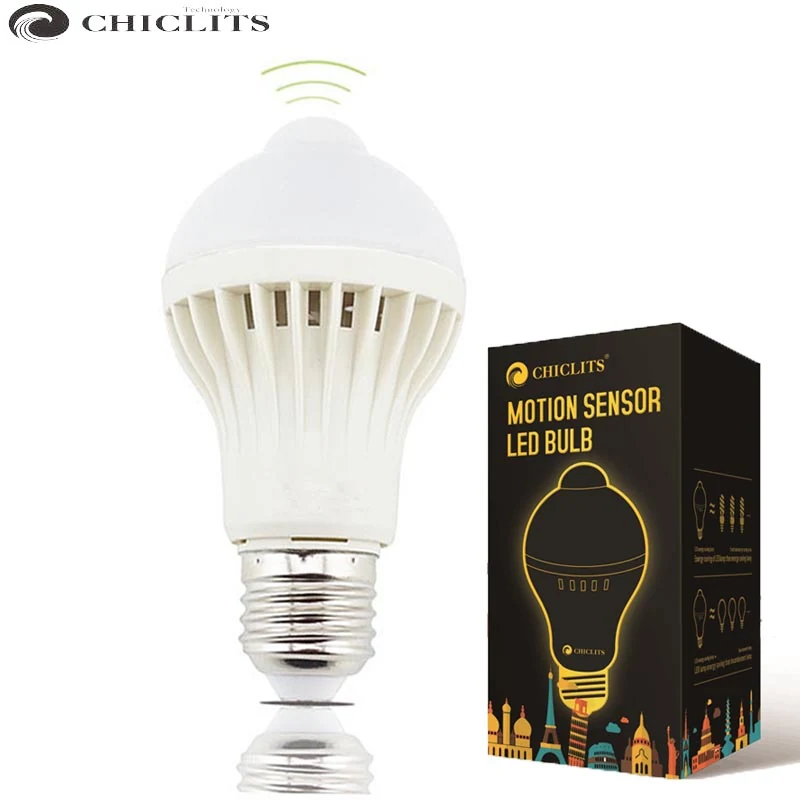
Public procurement shows the scale of it: the Indian government's DELP bulk purchase programme was reported to be driving LED bulb prices from an average around 28.8 RMB down toward 4.2 RMB.
How to buy against a falling curve
Do not sign long fixed-price agreements on fast-moving references, keep more than one sourcing channel open, and re-quote each season. That is exactly how this company describes its own sourcing approach.
Also In The Knowledge Centre
360 Degree LED Bulbs: What Changed When the Beam Went All the Way Round
Why the 360 degree LED bulb family was launched, what power and base options it covers, and where it genuinely replaces an incandescent lamp.
Read →Buying GuideKelvins and Lumens: The Two Numbers Buyers Get Wrong
Colour temperature and light output are the two specifications that decide whether a lamp is accepted on site, and they are routinely confused with each other and with watts.
Read →Technical NoteInside the Wi-Fi Downlight Platform: 2.4GHz, 1 to 100 Percent, 20 to 30 Metres
The documented specification of the Wi-Fi controlled downlight family, and what those numbers mean for a real building.
Read →Questions On This Note
Does this mean I should wait to buy?
Order The Products Behind This Note
Quote the reference names with your quantities and destination port, and the price comes back with packing detail.