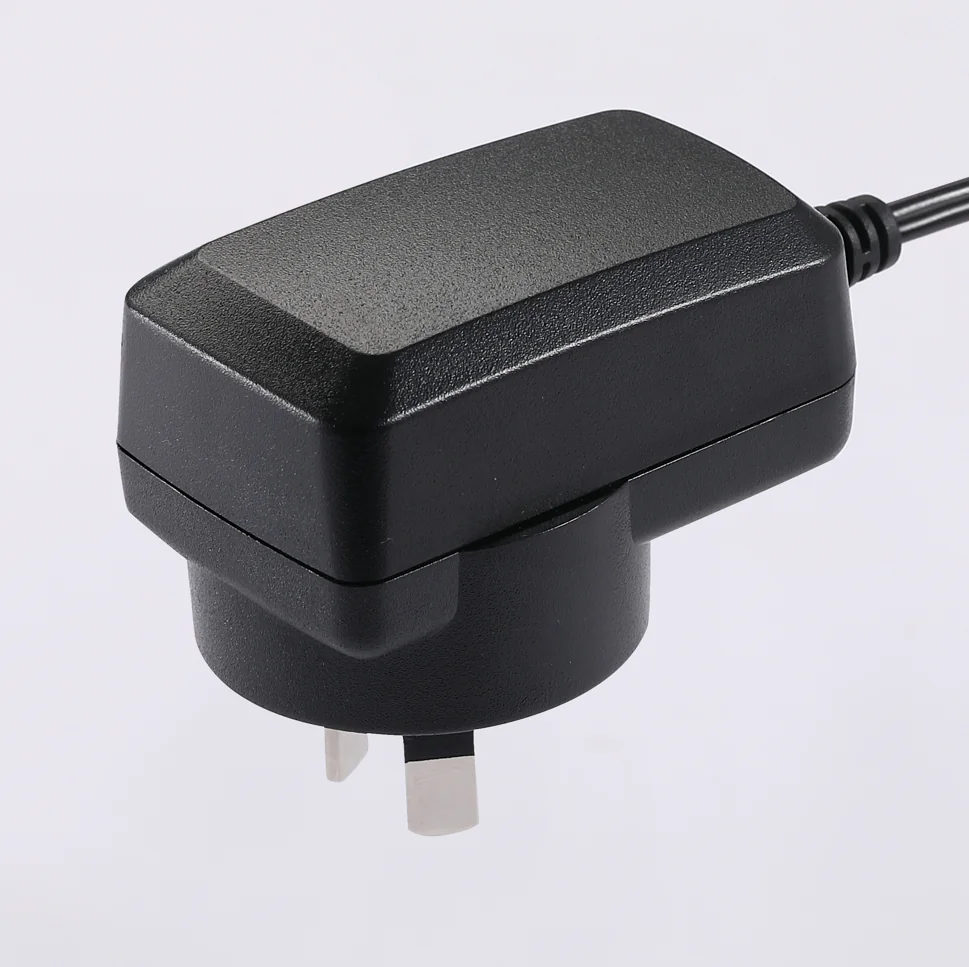
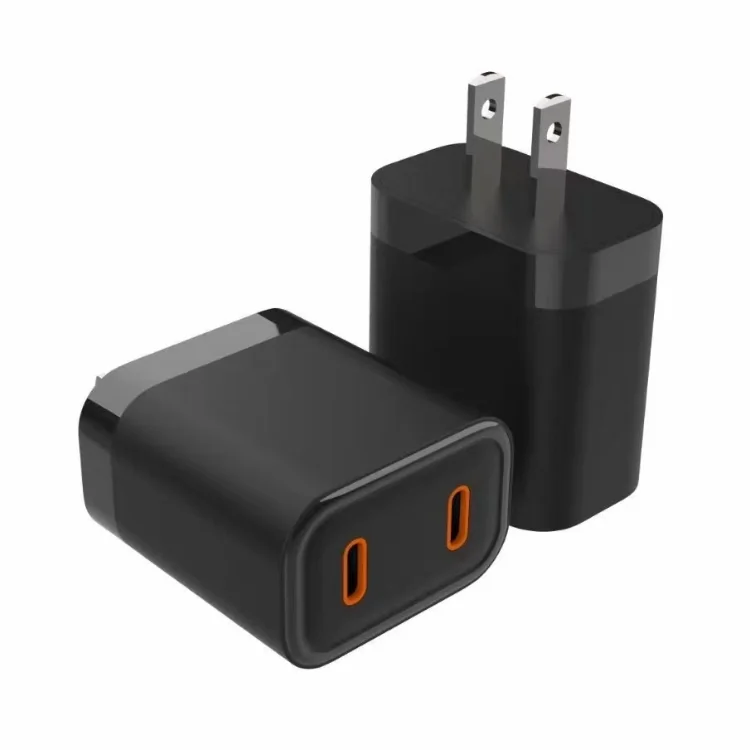
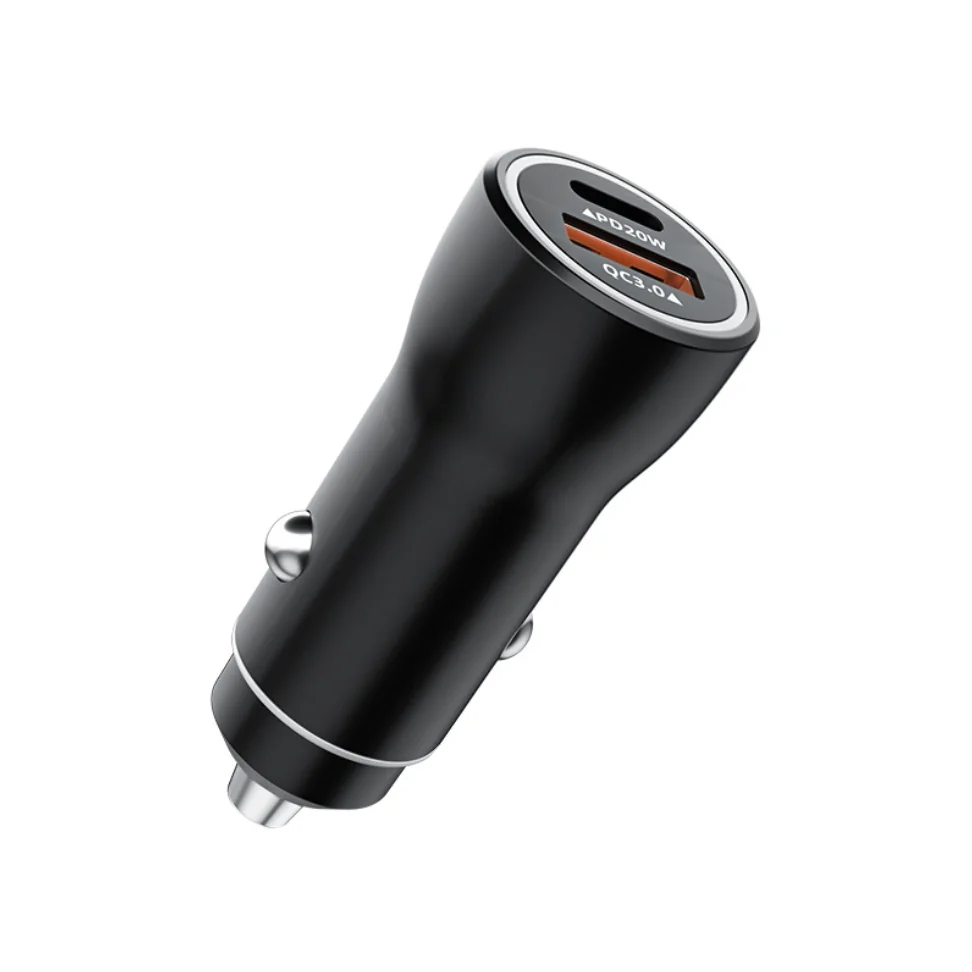
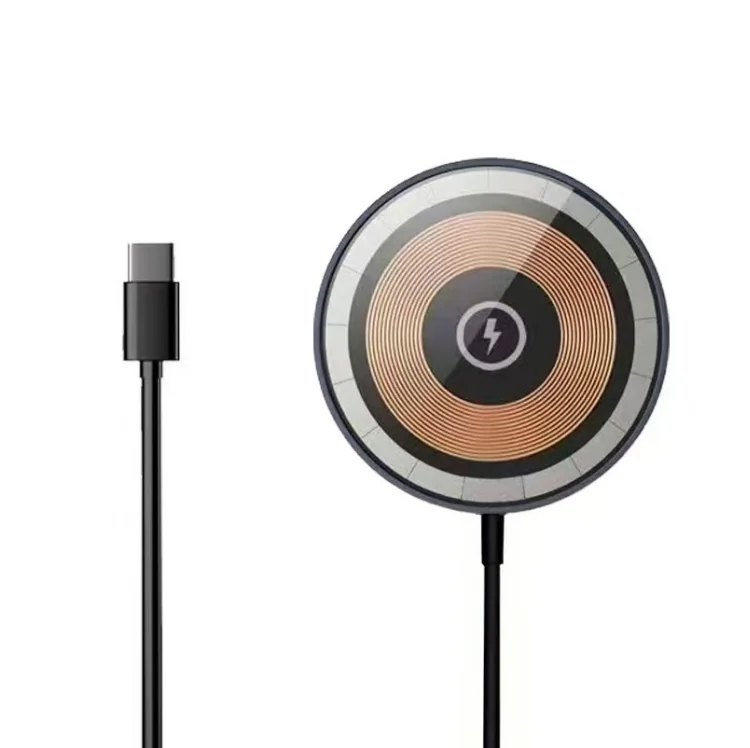
Ever bought a new gadget and noticed the charger brick or cable packaging mentions "PD"? Maybe you’ve seen USB ports labeled "USB PD" and wondered if it’s just some tech jargon or something you...
Ever bought a new gadget and noticed the charger brick or cable packaging mentions "PD"? Maybe you’ve seen USB ports labeled "USB PD" and wondered if it’s just some tech jargon or something you should care about. It can seem confusing with all the different charging standards out there. Let’s figure out what PD really means.
A PD charger is a power adapter that supports the USB Power Delivery1 standard. This is a universal fast-charging technology that allows for much higher power levels (up to 100W or more) over a USB-C connection, enabling faster and more flexible charging for a wide range of devices, including smartphones, tablets, and laptops.
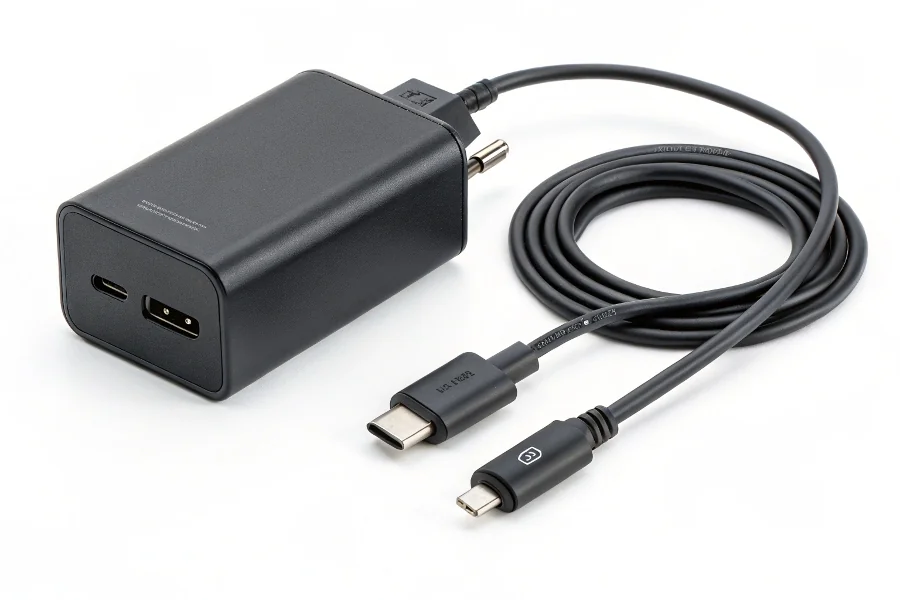
Think of it as a smarter, more powerful way to charge using USB. Before PD, USB charging was limited to low power levels (like the 5W from old USB ports) or relied on proprietary, often incompatible fast-charging methods from different manufacturers. USB PD changes that by creating a common language and infrastructure for higher power delivery across devices from different brands. As someone deeply involved in designing and manufacturing chargers, I’ve seen this shift firsthand – PD is a game-changer for charging convenience and efficiency.
You’ve probably used older USB chargers or ports. Maybe they were slow, or maybe they had a special label like "Quick Charge" that only worked with certain phones. How is PD different, and why is it becoming the standard for so many devices?
USB PD is fundamentally different because it allows devices and chargers to communicate and negotiate the optimum power level for charging, supporting variable voltages and much higher wattages (up to 100W+) compared to older USB standards which were limited to fixed low voltages and wattages (like 5V/1A or 5V/2.4A).
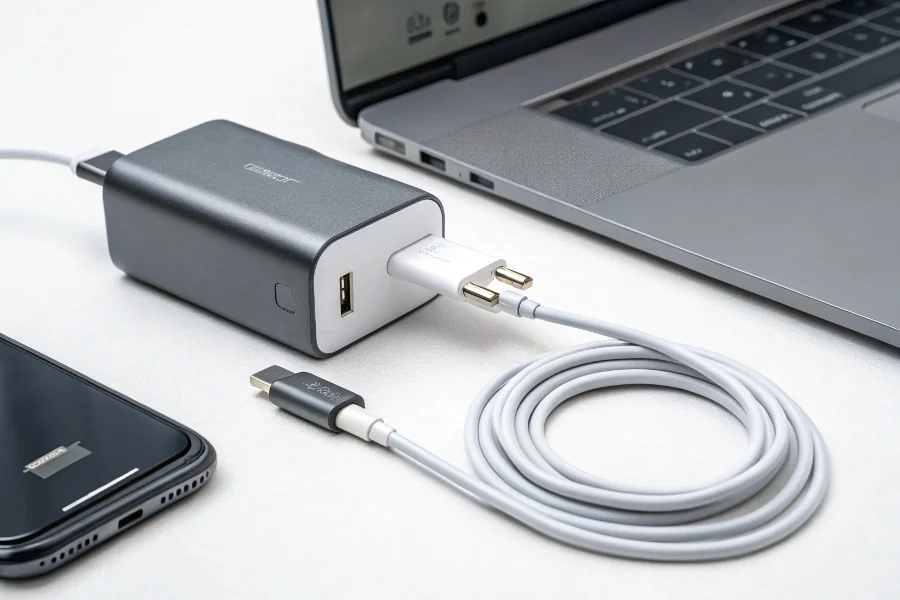
Here’s a breakdown of the key differences:
In essence, USB PD is a more intelligent, powerful, and versatile charging standard designed to handle the increasing power needs of modern electronics using a single, reversible USB-C connector. It moves beyond just charging small devices to powering a whole ecosystem.
Given its capabilities, it makes sense that USB PD is showing up everywhere. It’s not just for one type of gadget. If a device has a USB-C port and needs more than just basic power, there’s a good chance it uses or can benefit from USB PD.
A wide variety of modern electronic devices use or support PD charging, including most new smartphones (like iPhones, Google Pixels, Samsung Galaxies), many laptops (especially thin and light models from Apple, Dell, HP, Lenovo, Microsoft Surface), tablets, portable power banks, monitors, and even some gaming consoles.
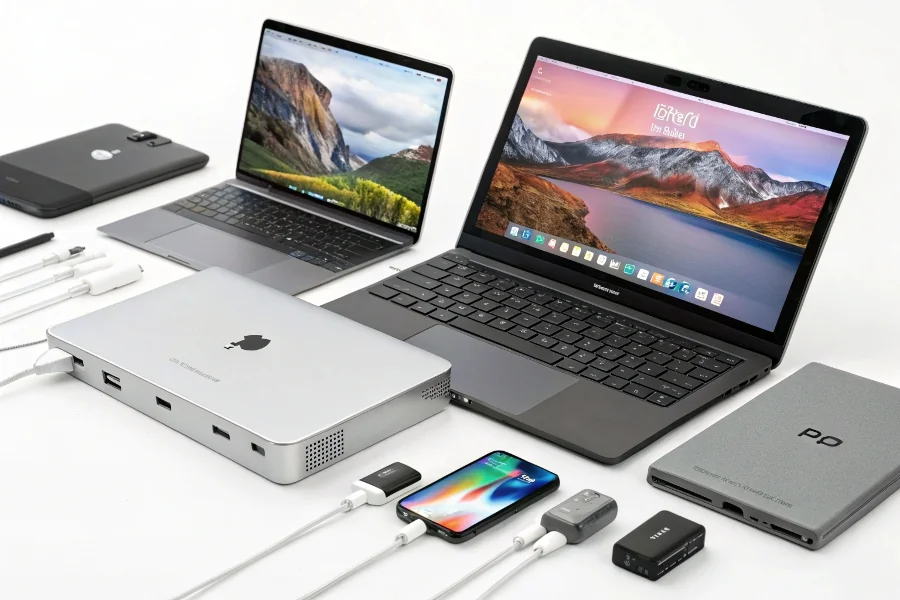
The adoption of USB-C as a universal connector has paved the way for PD to become the go-to charging standard. Here’s a look at the common categories of devices using PD:
When buying a new device, especially if it has a USB-C port, check if it mentions USB PD support. If it does, getting a USB PD charger (with sufficient wattage for the device) will ensure you get the fastest, most efficient, and safest charging experience the device is capable of. It also means you might be able to use one charger for multiple devices, simplifying your life and reducing clutter!
A PD charger supports the USB Power Delivery standard, enabling smarter, higher-wattage fast charging up to 100W+ over USB-C. Unlike older methods, PD chargers negotiate power with devices and charge a wide range of electronics, including phones, laptops, and tablets.
Explore this resource to understand the technology behind USB Power Delivery and its benefits for modern devices. ↩
Discover why USB-C is the go-to connector for charging and data transfer in today’s electronics. ↩
Learn about the advantages of fast charging technology and how it enhances device usability and efficiency. ↩
We manufacture what these articles describe, in China and in Vietnam.
FUMEI builds power adapters, wall chargers, car chargers and wireless chargers in China and Vietnam.