Okay, we just talked about what a PD charger is – that smart, high-power USB-C thing. Now, let’s get straight to the point of this article. If you have a laptop with a USB-C port that supports...
Okay, we just talked about what a PD charger is – that smart, high-power USB-C thing. Now, let’s get straight to the point of this article. If you have a laptop with a USB-C port that supports charging, and you have a PD charger, can you just plug them together and expect your laptop to power up? It seems like that’s the whole point of PD, right?
Yes, a PD charger can indeed charge a laptop, provided that the laptop supports charging via its USB-C port and the PD charger can deliver sufficient wattage for that specific laptop. The USB Power Delivery1 standard was specifically designed with higher-power devices like laptops in mind.
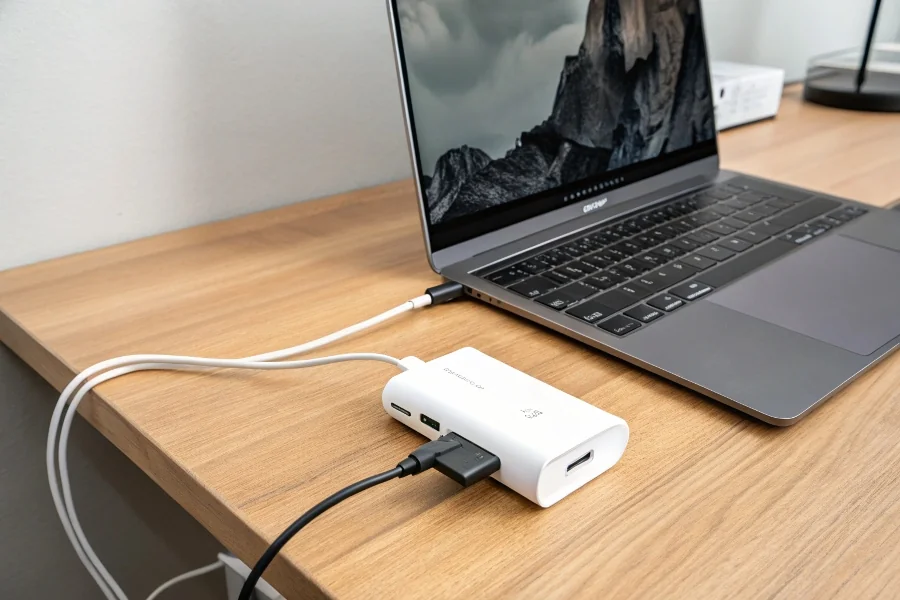
This is one of the biggest benefits of the USB PD standard and the widespread adoption of USB-C ports on laptops. It means you can potentially use a single, relatively small charger for both your phone and your laptop, especially when traveling. It simplifies things greatly. As someone who works with power solutions daily, seeing laptops finally move away from proprietary barrel plugs to a universal standard like USB-C PD is a huge step forward for user convenience.
Before PD and USB-C, laptops used dedicated, often bulky power bricks with proprietary connectors. You couldn’t charge a Dell laptop with an HP charger, even if the voltage was the same, because the plug was different. USB PD changes that. What makes it particularly well-suited for laptops?
PD is ideal for laptop charging because it supports the high wattage and variable voltage levels required by laptops, allows the laptop and charger to communicate to optimize power delivery, and enables charging over a universal USB-C port2 that can also handle data and video.
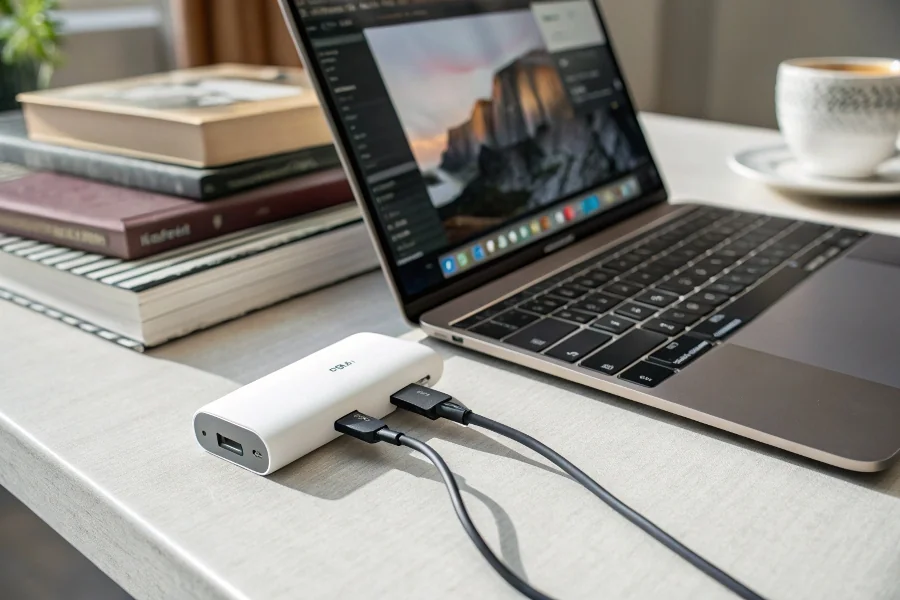
Laptops are power-hungry devices, much more so than phones or tablets. They have faster processors, larger screens, and bigger batteries. Charging them quickly and efficiently requires more power than older USB standards could provide.
Here’s why PD is the right fit for laptops:
So, a PD charger isn’t just capable of charging a laptop; it’s the standard designed to do it effectively, safely, and conveniently over a universal port.
While PD chargers can charge laptops, it’s not quite as simple as just grabbing any PD charger. There are a couple of critical factors to ensure compatibility and performance. You need the right kind of charger and the right kind of laptop port.
To ensure a PD charger can charge your laptop, you need to confirm that your laptop supports charging via its USB-C port, and that the PD charger provides enough wattage to meet or exceed your laptop’s power requirements, connected by a USB-C cable rated for the necessary power level.
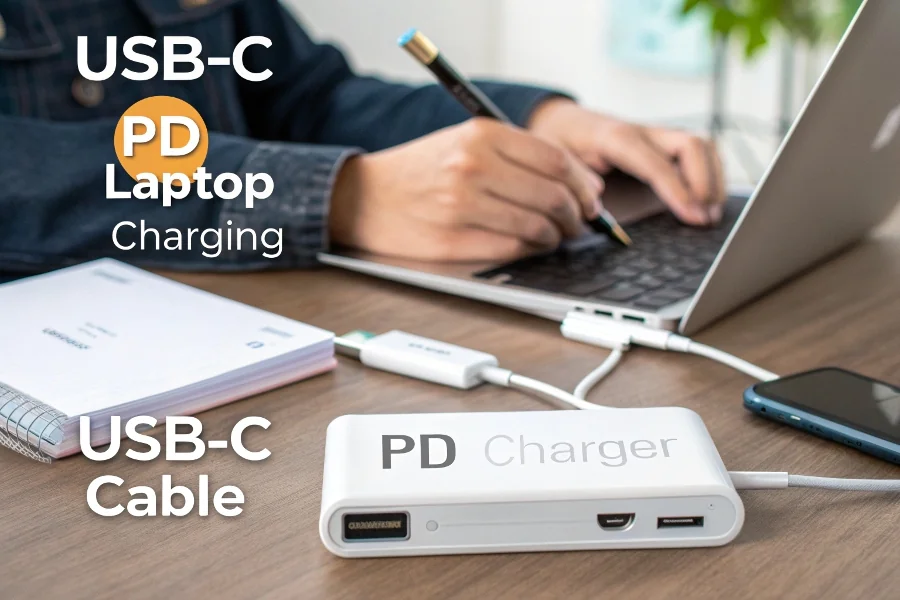
It’s a bit like filling a car with gas – you need the right type of gas (PD), enough of it (wattage), and the right place to put it (a charge-enabled USB-C port).
Here’s what you need to verify:
If you meet these conditions – a laptop with a charge-enabled USB-C port, a PD charger with sufficient wattage, and a proper cable – then yes, your PD charger can absolutely charge your laptop effectively. It’s the way forward for powering many modern portable computers.
Yes, a PD charger can charge a laptop if the laptop supports USB-C charging and the charger provides sufficient wattage (matching or exceeding the laptop’s needs, typically 45W+), using a proper USB-C cable.
Understanding USB Power Delivery is crucial for optimizing your laptop charging experience. Explore this link to learn more about its benefits and functionalities. ↩
USB-C ports offer versatility and convenience for charging laptops. Learn more about their advantages and how they simplify your tech setup. ↩
We manufacture what these articles describe, in China and in Vietnam.
FUMEI builds power adapters, wall chargers, car chargers and wireless chargers in China and Vietnam.