Picture this: you’re on a road trip, maybe heading to a client meeting, and your laptop battery icon dips into the red. You’ve got a USB car charger for your phone, and your laptop has a USB-C port....
Picture this: you’re on a road trip, maybe heading to a client meeting, and your laptop battery icon dips into the red. You’ve got a USB car charger for your phone, and your laptop has a USB-C port. Can you just plug that laptop into the car’s USB charger and power up? It seems logical, right?
Yes, in many cases, you can charge your laptop with a USB port in your car, but it depends entirely on the type of USB port and the power it can provide. A standard, low-power USB car charger designed only for phones usually won’t work for a laptop.
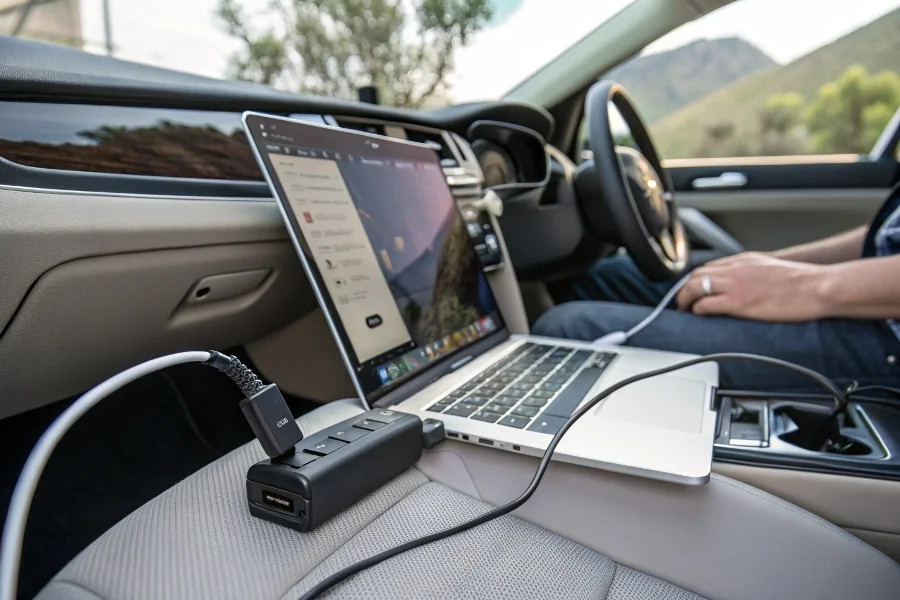
The key difference between charging a phone and charging a laptop via USB is power. Laptops, especially modern ones, require significantly more power than phones to charge, especially while they are in use. A basic phone charger simply doesn’t output enough Watts (W) to satisfy a laptop’s needs. But with the right setup, it’s definitely possible. As someone who’s worked with various power solutions, from small phone chargers to larger power supplies, I can tell you it’s all about the wattage!
You see USB ports everywhere these days, on chargers, in cars, on computers. They all look similar, but they are not created equal when it comes to power delivery. So, why can’t that little phone charger handle your laptop?
A regular, basic USB car charger is designed to output power levels suitable for small devices like smartphones or tablets, typically ranging from 5W to about 12W. Laptops, however, require much higher power, often between 30W and 100W or more, to charge effectively.
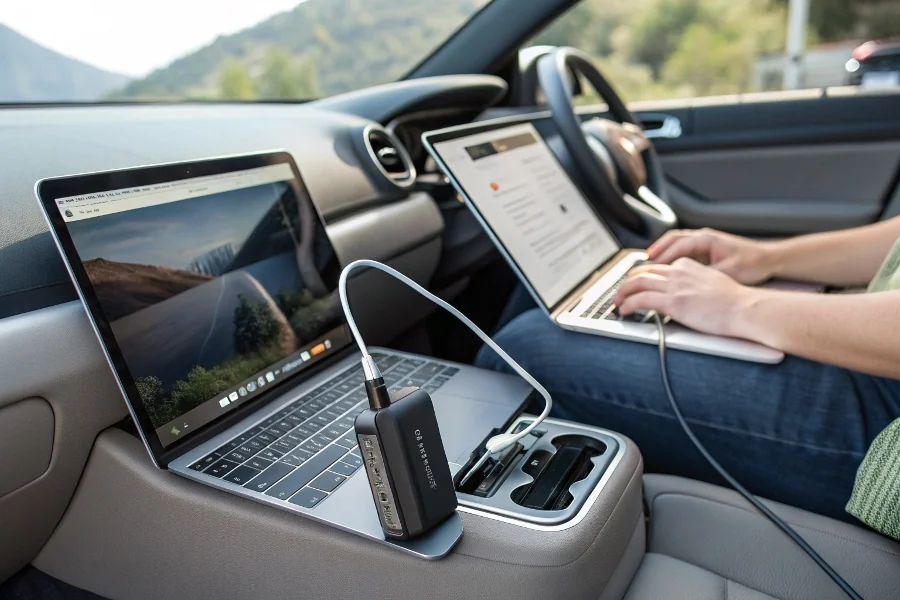
Think about the difference in battery size and power consumption between a phone and a laptop. A laptop has a much larger battery and components that draw more power when running. Just like you wouldn’t use a trickle charger meant for a motorcycle battery to charge a car battery, you can’t expect a low-power charger to power a high-power device like a laptop.
USB ports and chargers adhere to different power delivery standards. The progression has been towards higher power:
Your typical inexpensive USB car charger likely only supports the older USB BC 1.2 standard or perhaps a phone-specific fast charging standard like Quick Charge, maxing out at around 10W-18W.
Laptops, on the other hand, especially those designed to charge via USB-C, are built to use the USB PD standard and expect much higher wattages. If you plug a laptop needing 60W into a charger only providing 15W, one of two things will happen:
The laptop’s power management system is smart enough to know the connected charger isn’t sufficient for reliable charging, especially under load, and will often display a "slow charger" warning or simply indicate that it’s not charging.
Okay, so a regular phone charger is out. But I said earlier that it is possible. So, what’s the right gear? You need a specific type of car charger designed for higher power output via USB-C.
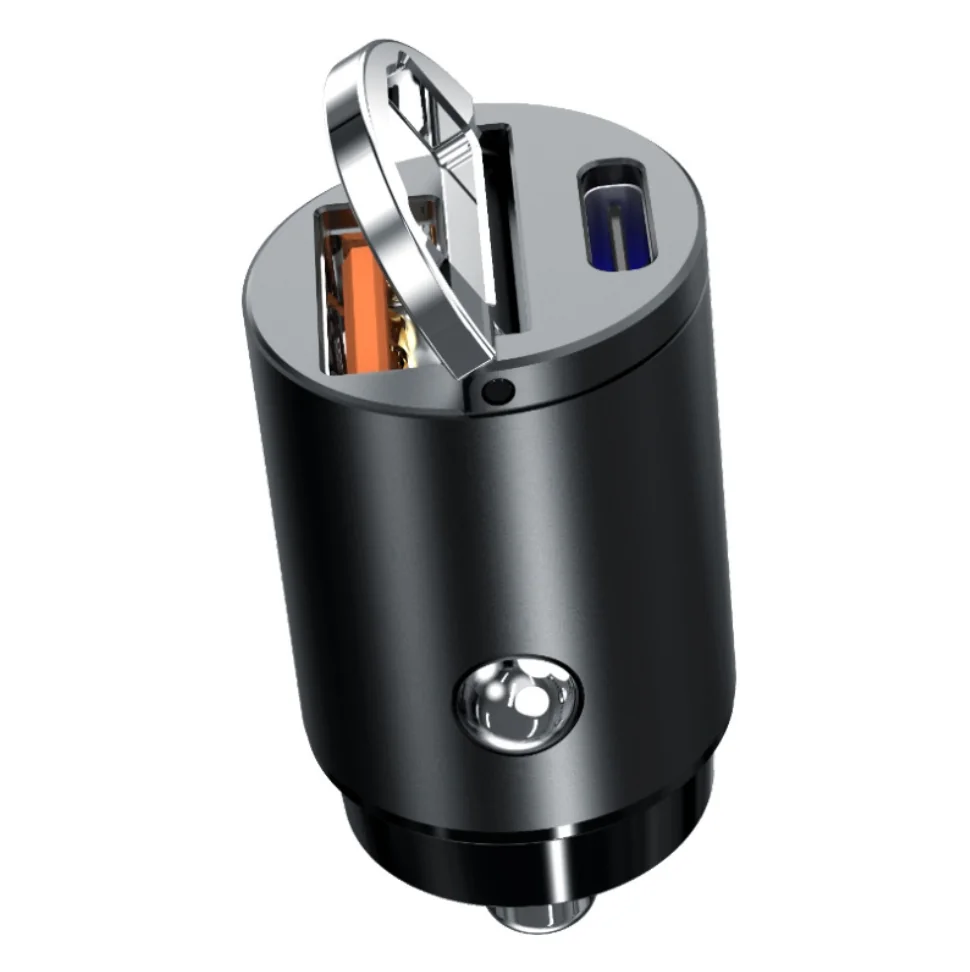
To charge your laptop with USB in your car, you need a car charger that supports the USB Power Delivery (USB PD) standard and can output enough wattage for your specific laptop, typically 30W or more, connected via a suitable USB-C cable.
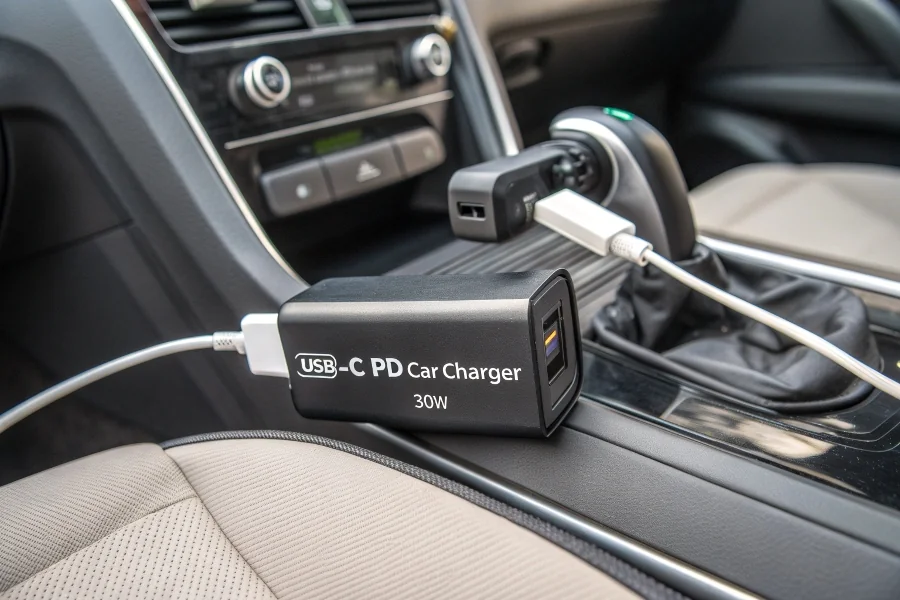
This isn’t just any car charger you grab off the shelf. You need one specifically marketed as a "USB-C PD car charger" or a "laptop car charger." These devices contain the necessary internal components to step up the car’s 12V power (or 24V in some vehicles) to the higher voltages (like 9V, 12V, 15V, 20V) required by the USB PD standard to deliver significant wattage.
Here’s what you need to look for:
Choosing a reputable brand for the car charger is also very important for safety and reliability. I’ve seen too many cheap, uncertified chargers fail or even cause damage. A good quality charger might cost a bit more, but it’s worth it for peace of mind when charging an expensive laptop.
In summary, charging a laptop via USB in your car requires a specific, high-power USB-C PD car charger2 and a compatible high-wattage USB-C cable. A standard phone charger simply won’t cut it.
You cannot charge a laptop with a basic USB car phone charger due to insufficient power. To charge your laptop via USB in your car, you need a high-wattage USB-C PD car charger (30W or more) and a suitable USB-C cable.
We manufacture what these articles describe, in China and in Vietnam.
FUMEI builds power adapters, wall chargers, car chargers and wireless chargers in China and Vietnam.