Wavelength Counts Are A Marketing Number
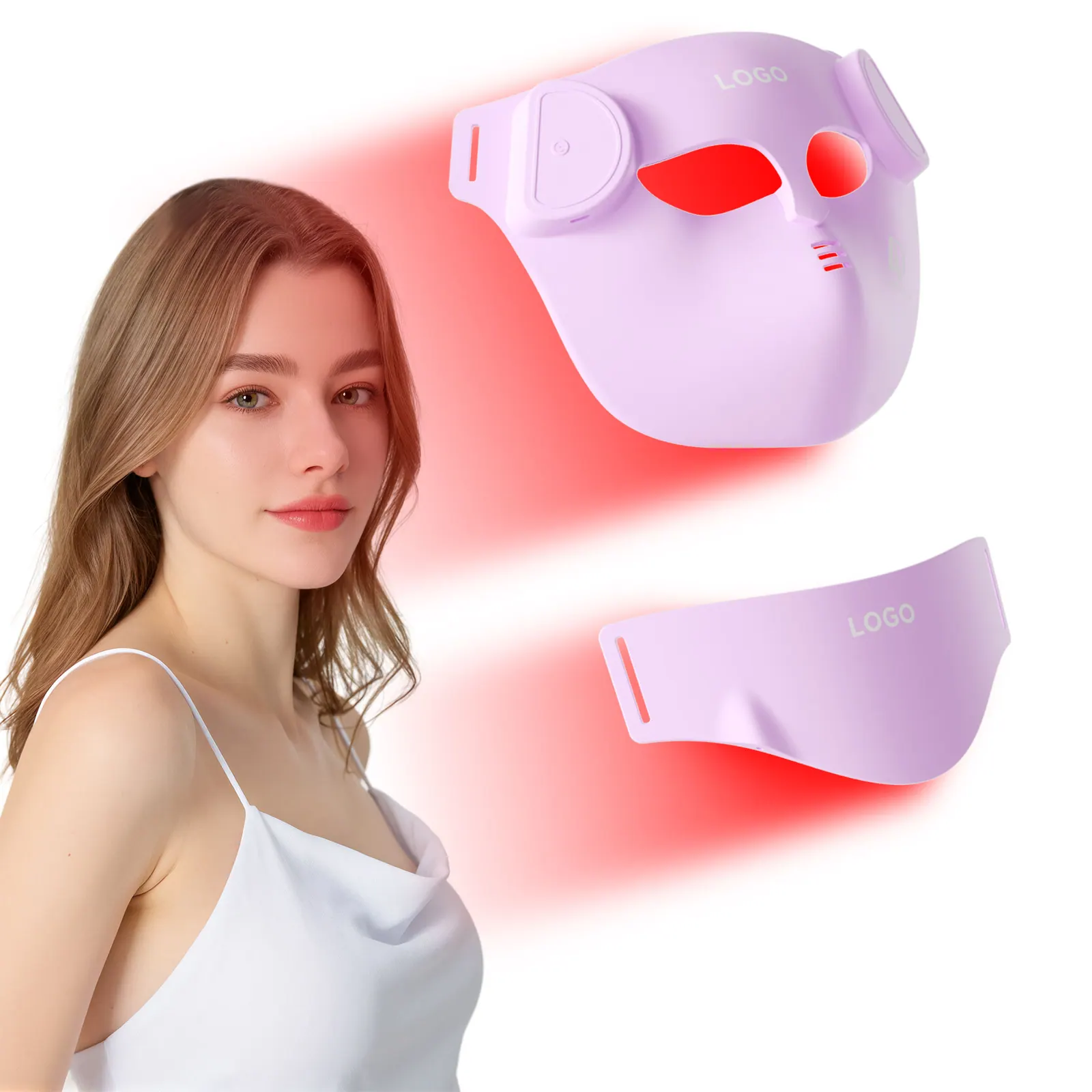
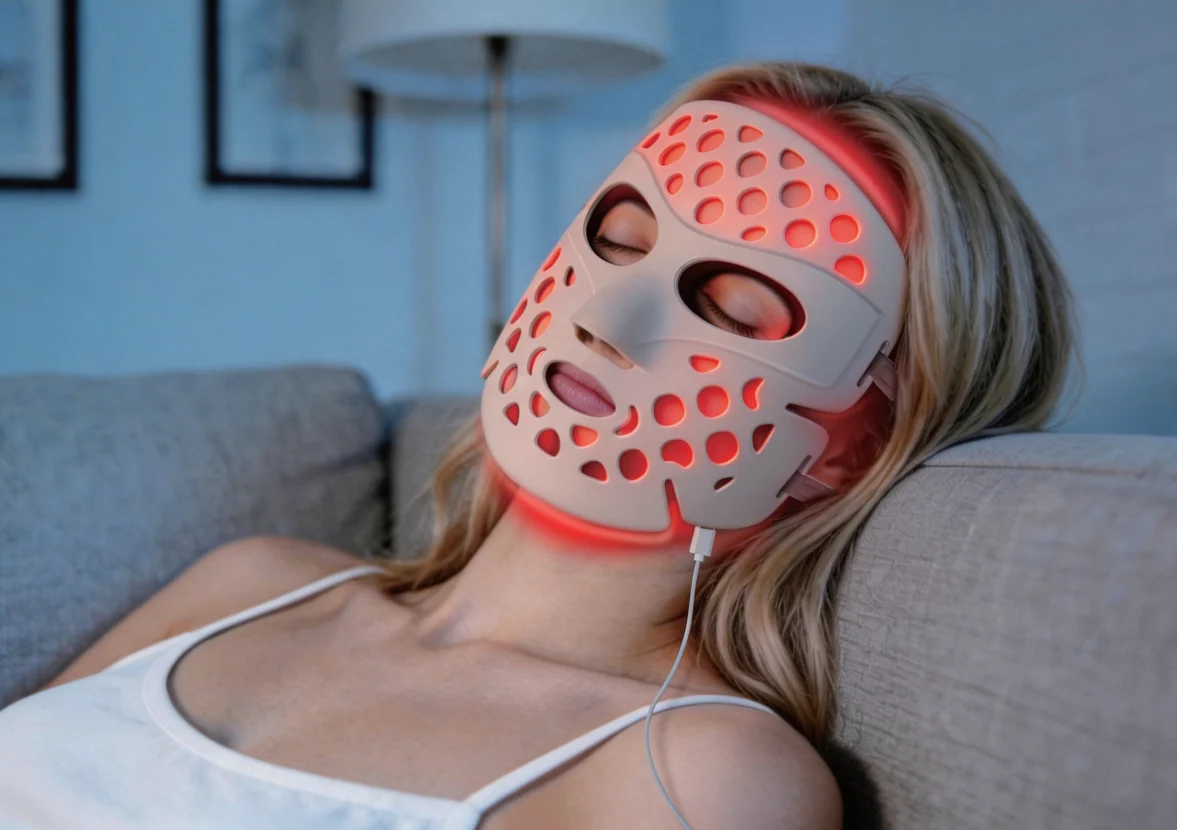
Devices are commonly sold on how many LED colours they carry. The count alone tells you very little. What matters to the end user is whether the light actually reaches the skin evenly across the treatment area.
Ask how coverage is achieved rather than how many modes exist. A device with fewer modes and even coverage outperforms one with more modes and hot spots, and it generates fewer returns.
Comfort Decides Whether The Device Is Used
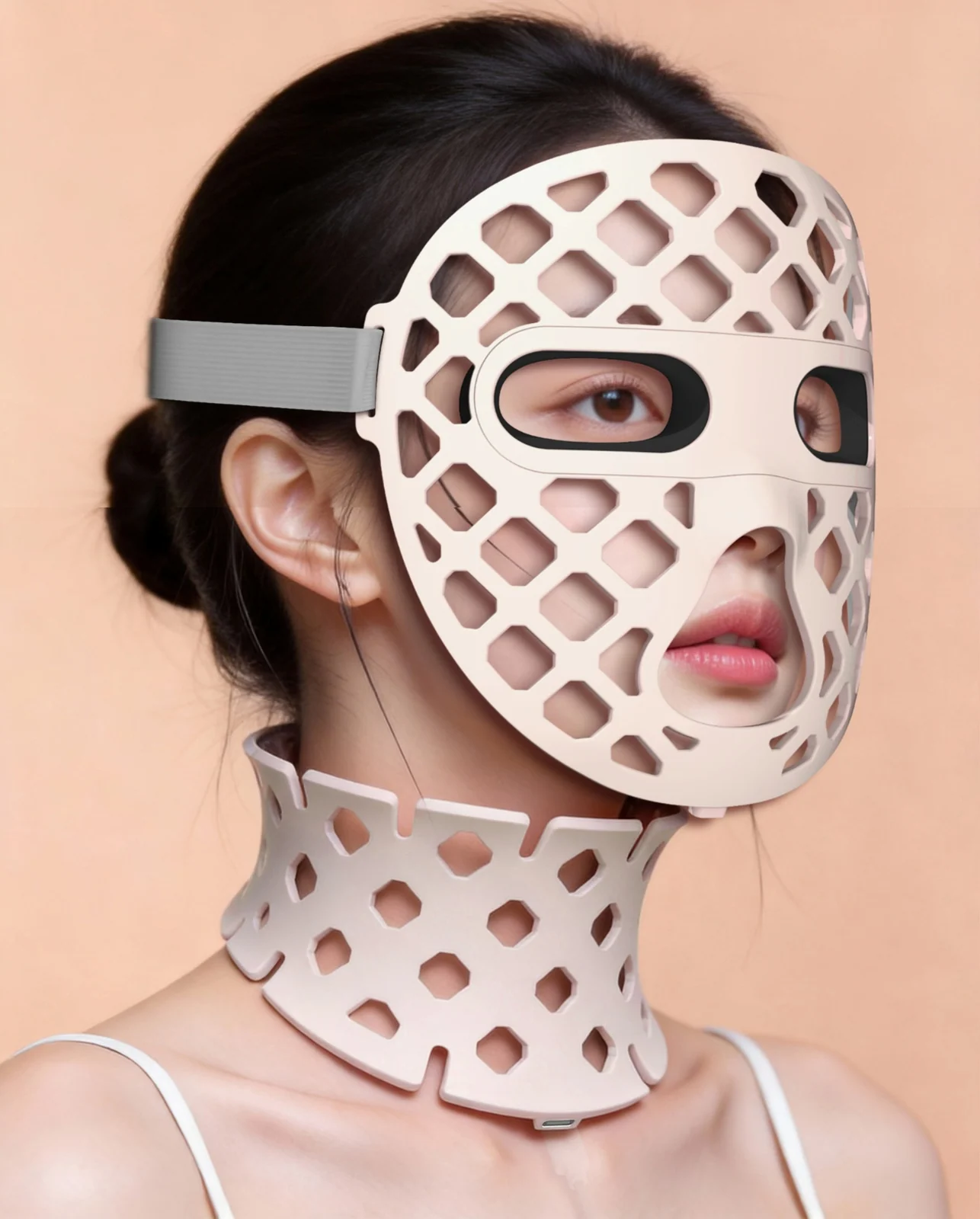
A mask that is heavy, hot or claustrophobic gets used twice and then sits in a drawer. That is not a customer service problem, it is a repeat purchase problem and it shows up in your reviews.
Weight, breathability and how the device sits against the face are worth more attention than an extra light mode. Ask to wear the sample for a full session before approving it.
Materials On A Device Worn Against The Face
Anything worn against facial skin for twenty minutes at a time needs its material specified rather than assumed. Medical-grade silicone is the standard we use for skin-contact surfaces on this category.
Confirm the grade in writing before tooling. It is a question that costs nothing to ask and a great deal to skip.
Check The Charging Story
Battery capacity, charge time and continuous run time together decide how many sessions a customer gets between charges. Any factory that cannot state all three for a device has not measured them.
USB charging avoids region-specific power adapters, which simplifies both your packaging and your compliance position across multiple markets.
Fix The Packaging Before You Fix The Price
LED masks are bulky, so packaging drives freight cost more than in most categories. Retail pack dimensions, gross weight, carton quantity and carton weight should be confirmed with the sample.
With those four numbers your forwarder can cost sea, air and express freight before you commit to volume, instead of after.