







A Beauty Device Is Not A Phone Accessory
Many electronics factories build beauty devices on the side, treating them like simple accessories with a different shell. That assumption is where most failed programmes start.
A beauty device sits at the intersection of complex electronics and direct skin contact. That combination leaves no room for error on electrical safety, materials toxicity or biocompatibility. A supplier who has only ever built chargers and speakers has never had to think about either.
The first question to ask a candidate factory is simple: what proportion of your output is beauty and skincare technology? If the answer is a small fraction, you are funding their learning curve.
Ask Which Steps Actually Happen In The Building
Turnkey is a word every supplier uses. What matters is which critical steps are genuinely in house: industrial design and prototyping, electronic and software engineering, and mould making.
When those three sit under one roof, a change request reaches the person who can act on it. When they are subcontracted, every revision travels through a chain, and nobody owns the defect when something behaves incorrectly.
In-house mould making has a second effect that buyers underrate. It accelerates production timelines and drastically lowers initial tooling cost, which is what makes an exclusive housing affordable for a brand that is still growing.
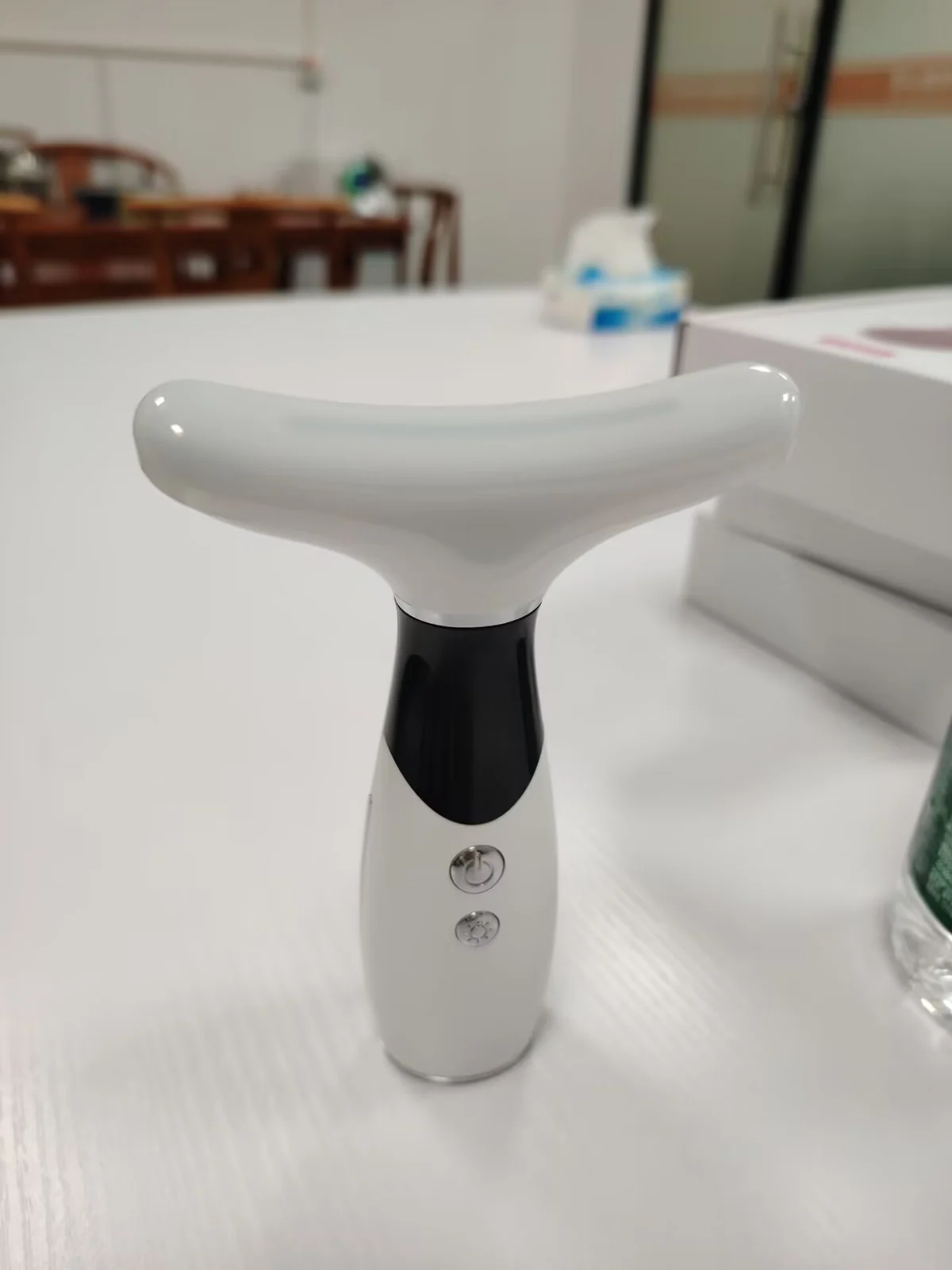
7-in-1 LED Photon Therapy Face & Neck Beauty Device | Anti-Wrinkle & Skin Tightening Massager
Interrogate The Skin Contact Materials
Every surface that touches skin daily should be specified, not assumed. Medical-grade silicone, hypoallergenic metals and food-grade plastics are the baseline for devices used on the face and neck.
Ask for the material grade in writing before tooling starts. A factory that treats this as an awkward question is telling you something useful.
Check Compliance Before You Check Price
Only a minority of factories can ensure a product clears customs, avoids recalls and legally reaches the shelf in an international market. Price comparisons before that check is done are meaningless.
Establish which marks the factory already works to and which it can help you secure. Compliance is not one size fits all, and different countries have distinct gatekeepers.
Test Their Answers On Lead Time and Terms
Vague lead times are the clearest early warning. A supplier who knows their line can tell you that samples run 3 to 7 days, 50 to 300 pieces run 4 to 10 days and 301 to 1000 pieces run 5 to 15 days, and that transit adds 3 to 9 days depending on the shipping method.
The same applies to warranty. A one year warranty with free replacement devices or components for defects is a position you can quote publicly. A supplier who will not commit in writing has told you where the risk will land.