
Why Goggles Fog And What A Factory Can Actually Do About It
Fogging is a condensation problem with three separate causes. Knowing which one you have tells you whether it is a lens problem, a venting problem or a fit problem.
Fogging Is Condensation Not A Coating Failure
Fog forms when the inner lens surface is colder than the dew point of the air trapped against the face. Everything a factory does about fogging is aimed at one of three things: keeping the inner surface warmer, moving humid air out, or making the condensation spread into a film instead of beading into droplets.
Cause One The Inner Surface Is Too Cold
This is the ski and snowboard case. A single-layer lens has cold air on one side and a warm face on the other, so the inner face sits below the dew point almost permanently. The fix is a dual-layer lens with an air gap. No coating compensates for the wrong construction here.
Cause Two Humid Air Cannot Escape
This is the tactical, MX and industrial case. A sealed goggle over a working face generates more water vapour than it can vent. The fix is vent paths through the frame and foam that let humid air out without letting dust in. A goggle with no visible venting in a hot environment will fog whatever the lens is.
Cause Three The Surface Beads Instead Of Sheeting
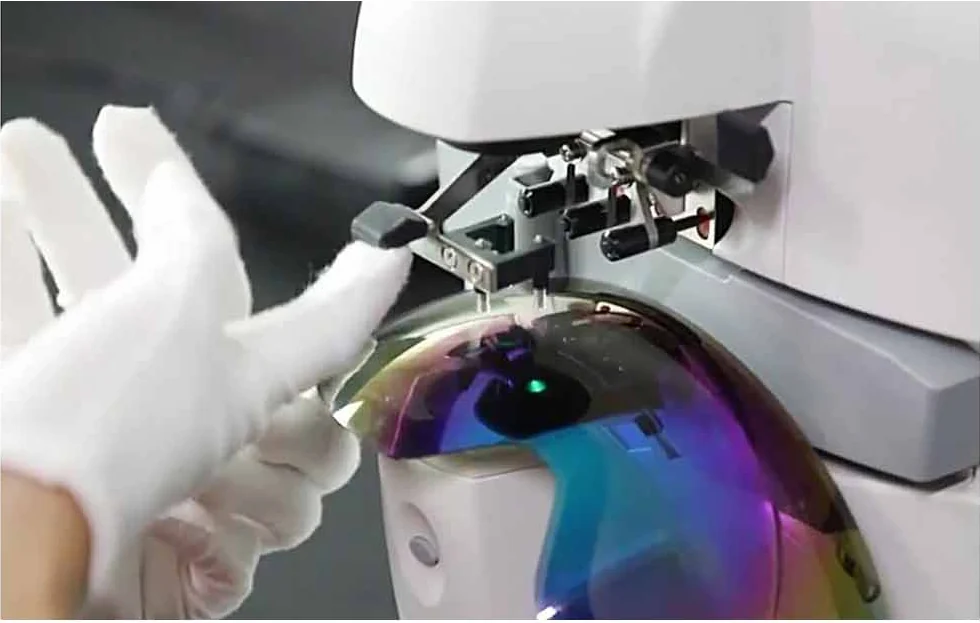
An anti-fog treatment does not stop condensation. It changes how the water sits, spreading it into a thin transparent film rather than droplets that scatter light. This is why a well treated lens can be wet and still clear.
Why Wipe-On Anti-Fog Disappoints
Sprays and wipes sit on top of the lens and come off with the next cleaning. A treatment applied to the lens during production lasts far longer. It is still not indestructible: rubbing a wet anti-fog surface with a dry cloth damages it, which is the most common way a user destroys their own anti-fog.
What To Check Before Blaming The Goggle
Check that the vents are not blocked by a helmet or a mask. Check that the goggle is not being worn on the forehead between uses, which soaks the foam. Check that the user is not wiping the inner lens dry. If all three are clear and it still fogs, it is a construction problem and worth raising with your supplier.
What We Make In This Area
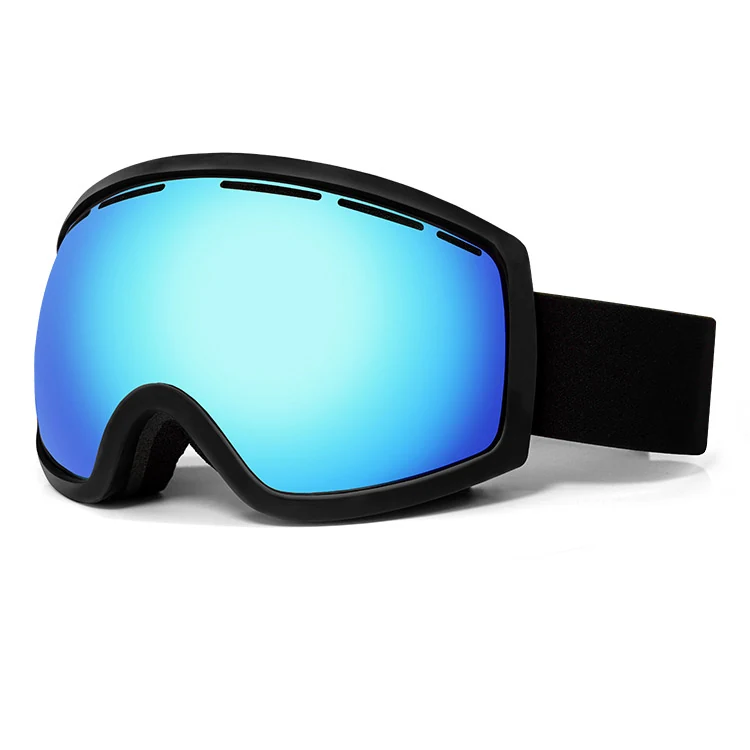
Fogless Snowboard Goggles OTG Design
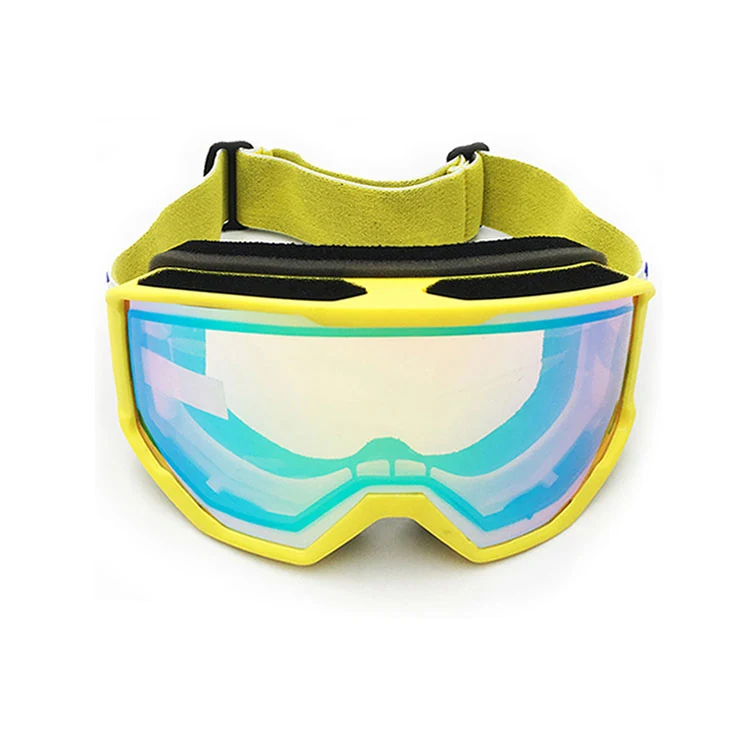
Anti-fog Ski Goggles Cold Weather Goggles
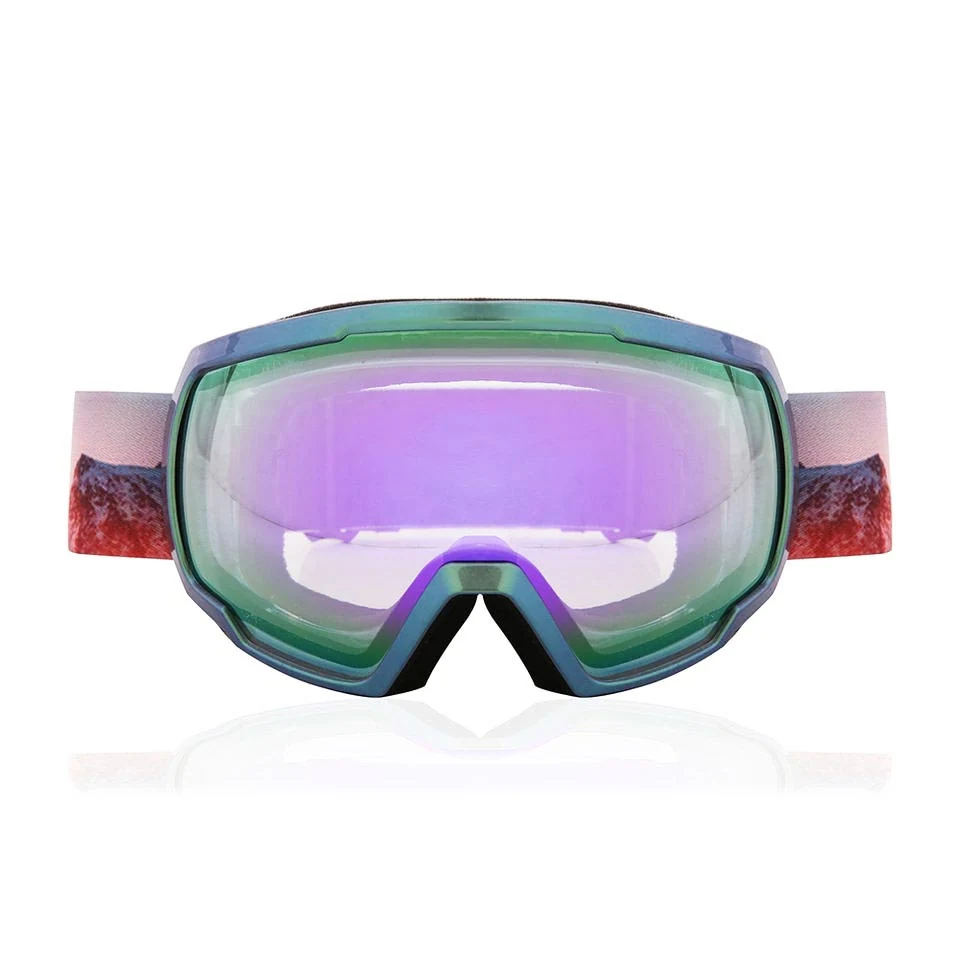
Permanent Anti-fog Ski Goggles Snowboard Goggles
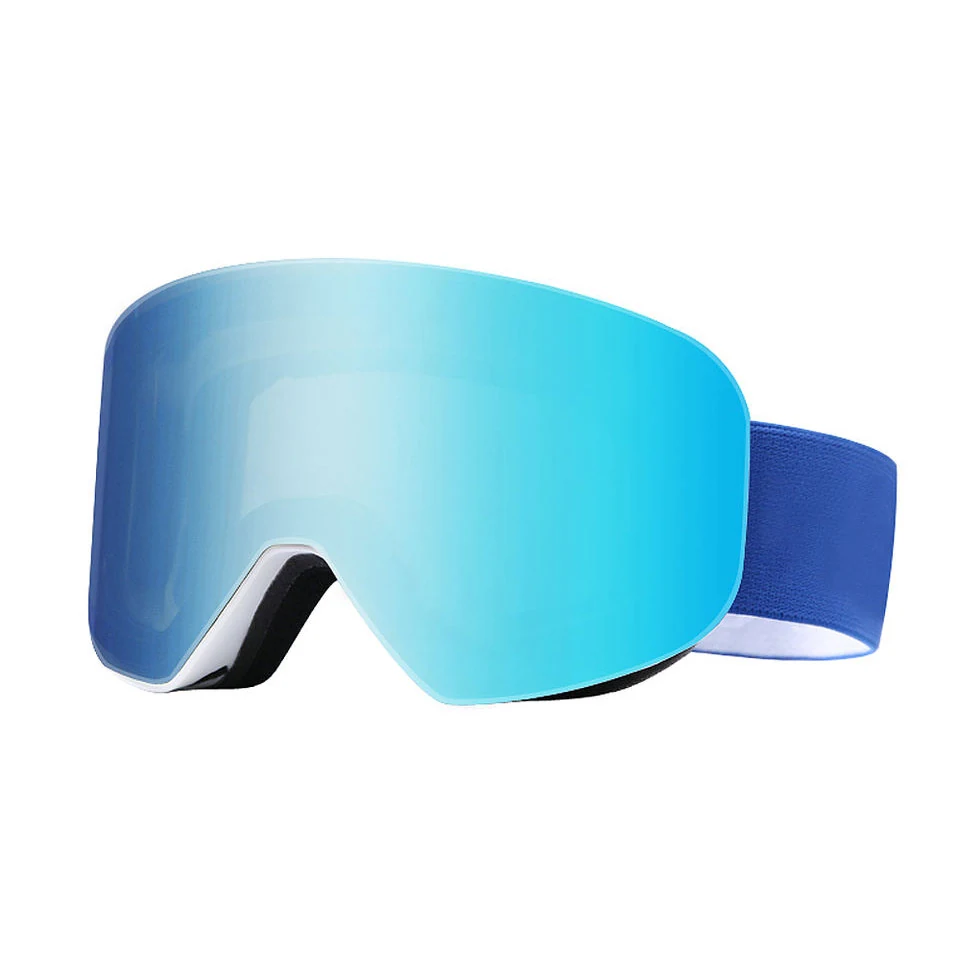
Magnetic Ski Goggles Interchangeable Lens
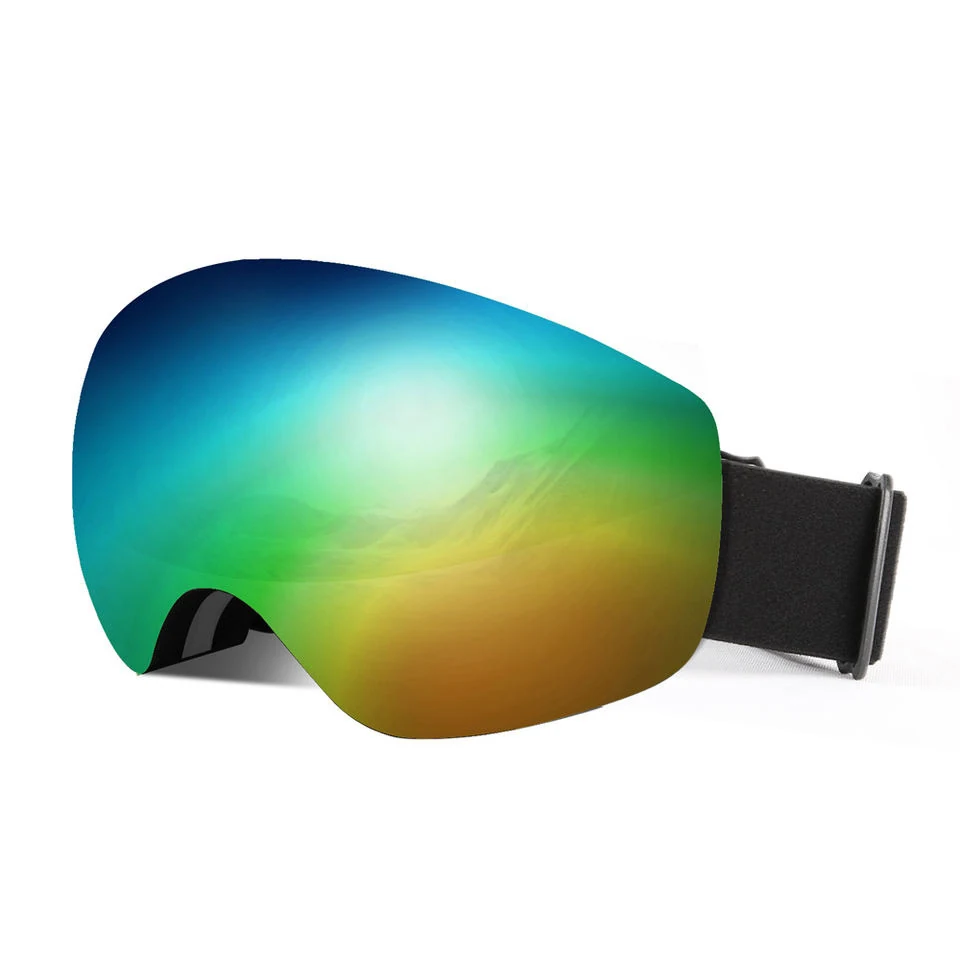
Snow Goggles Full HD Spherical Lens
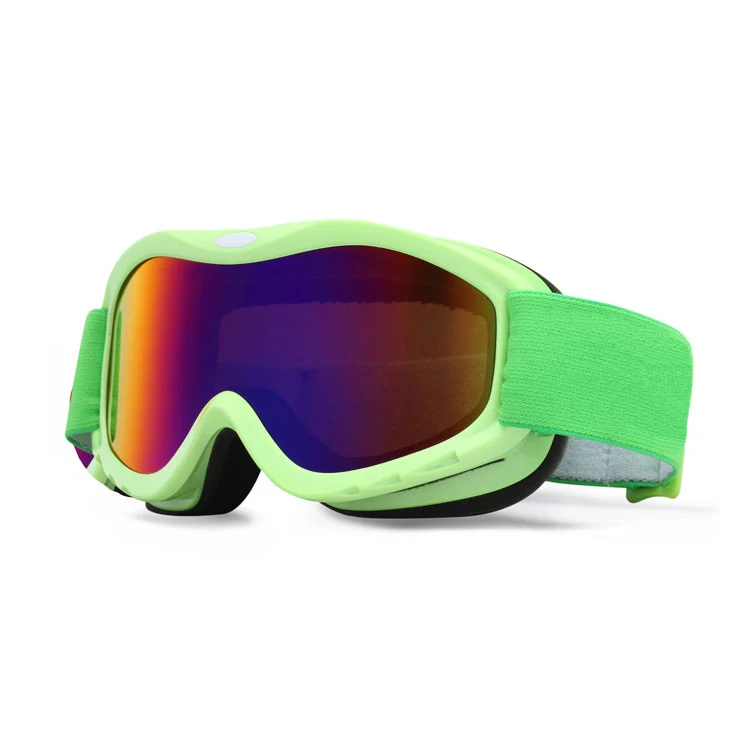
Custom Ski Goggles Permanent Anti-fog Lens
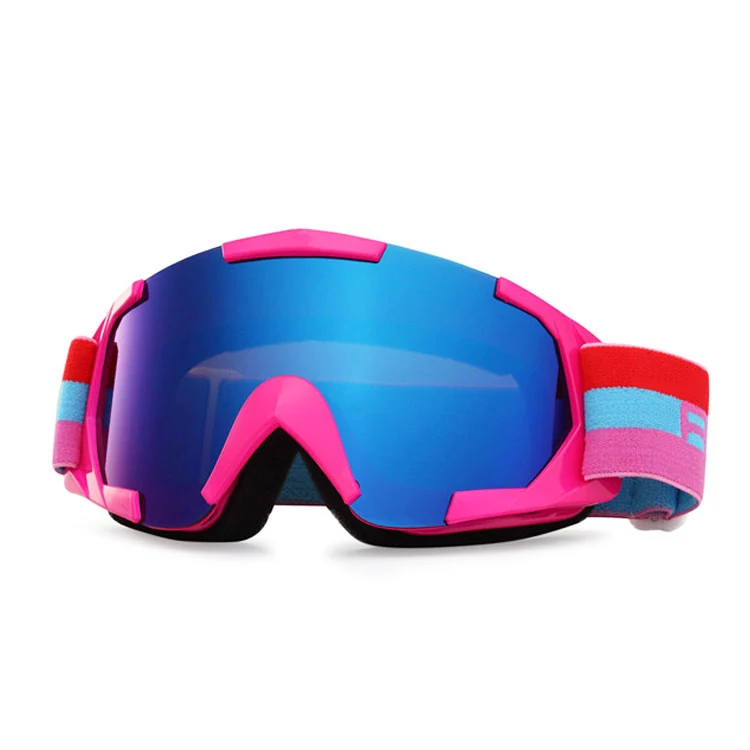
Fogless Ski Goggles HD PC Lens
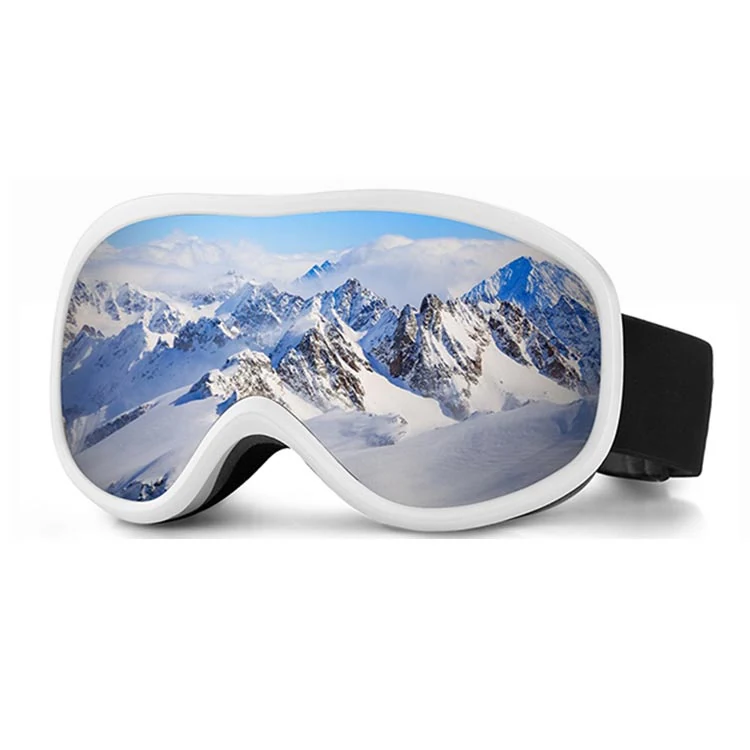
OTG Snow Goggles OEM Ski Goggles
Questions From This Guide
Can anti-fog coating be added to an existing order
It is applied during lens production, so it has to be specified before manufacture rather than added to finished stock.
How should users clean an anti-fog lens
Rinse with clean water and let it air-dry. Do not rub the wet inner surface with a dry cloth, which is what usually destroys the treatment.
Does more venting always mean less fogging
Up to a point. Venting has to be balanced against dust and wind entry, which is why vent design differs between a ski goggle and an MX goggle.
Ask Us About This
If your situation is not covered above, describe it and we will answer it properly.