
Polycarbonate Lenses In Sports And Safety Eyewear
Why impact standards are written around polycarbonate, what hard coating is actually for, and what to specify so you get what you think you are buying.
Why Polycarbonate Dominates Protective Eyewear
Polycarbonate absorbs impact energy by deforming rather than shattering. That behaviour is why impact standards for protective eyewear are written around it, and why a ballistic or industrial lens specification almost always names it. Where a lens has to stop a high-speed particle or a splinter, this is the material.
Its Weakness Is The Surface
The same softness that makes polycarbonate tough makes the surface easy to scratch. An uncoated polycarbonate lens in a workshop or a jacket pocket looks poor within a week, and a scratched lens gets discarded no matter how well it would have performed on impact. This is why hard coating is not a luxury on this material, it is what makes it usable.
Hard Coating And Anti-Fog Do Different Jobs
Hard coating protects the surface from abrasion. Anti-fog changes how condensation sits on the surface. They are separate treatments and a lens can carry one, both or neither. When you write a specification, name both rather than assuming a coated lens includes anti-fog.
UV Protection Comes From The Material And The Treatment
Polycarbonate blocks a large part of the UV spectrum inherently, which is why clear polycarbonate lenses can offer full UV protection without being dark. This is worth explaining at retail, because customers assume a clear lens gives no UV protection and a dark lens does.
Tint Is Not Protection
A dark tint reduces visible brightness. It does not by itself block ultraviolet. A dark lens without UV protection is worse than no lens, because the pupil opens behind it. Specify UV protection explicitly rather than inferring it from the tint.
What To Put In Your Specification
Name the lens material, the coatings required, the UV protection statement, and the certification if the market needs one. Four lines settle most of the arguments that otherwise happen after delivery. Our product pages state material and coating per model so you can copy them straight into your own specification.
What We Make In This Area
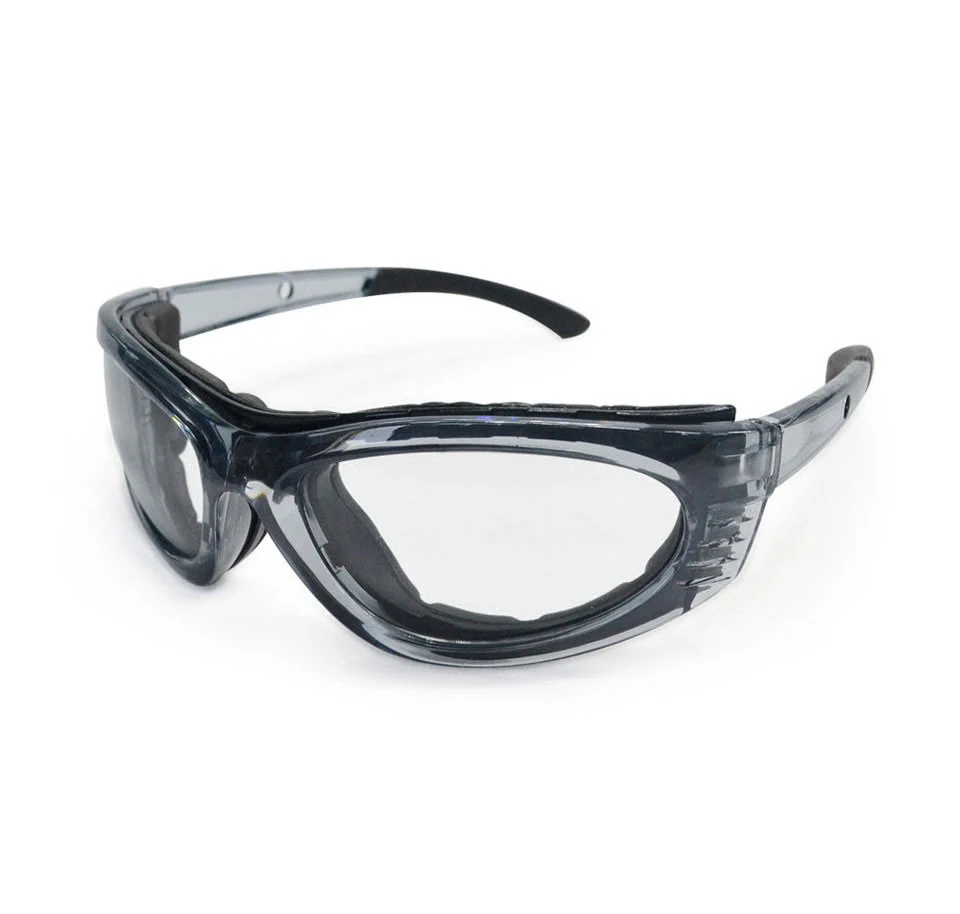
Safety Working Glasses PC Lens Anti-fog
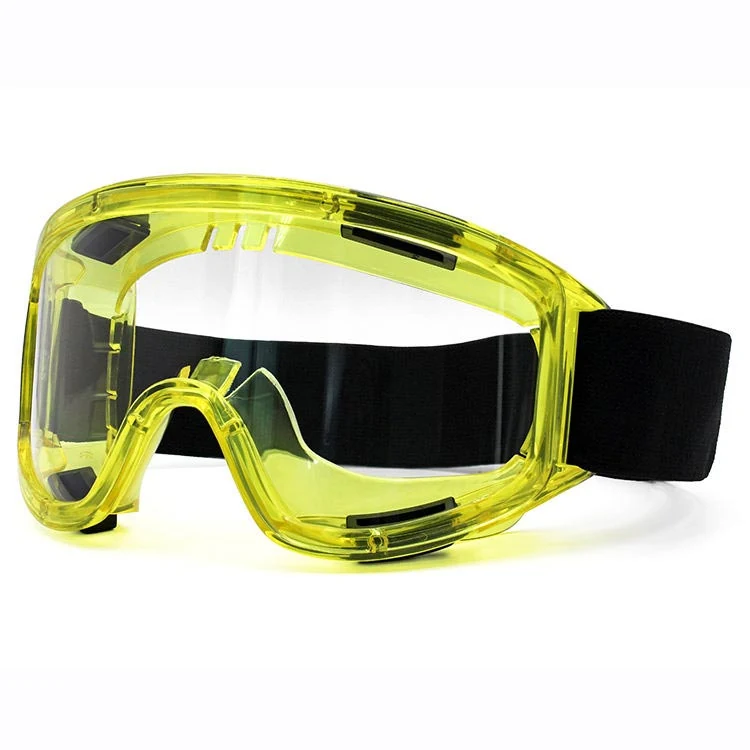
Certificated Prescription Goggles Liquid Anti-Mist
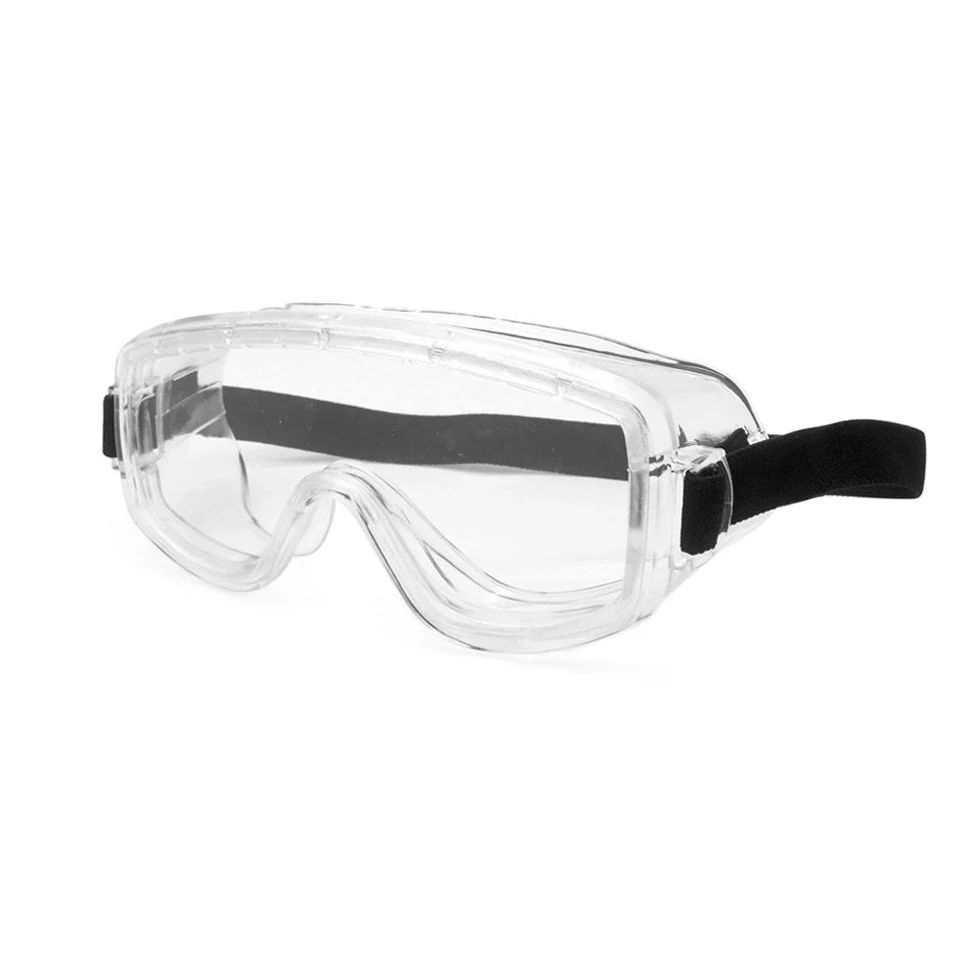
Safety Goggles Lab Anti-Splash Impact Resistant
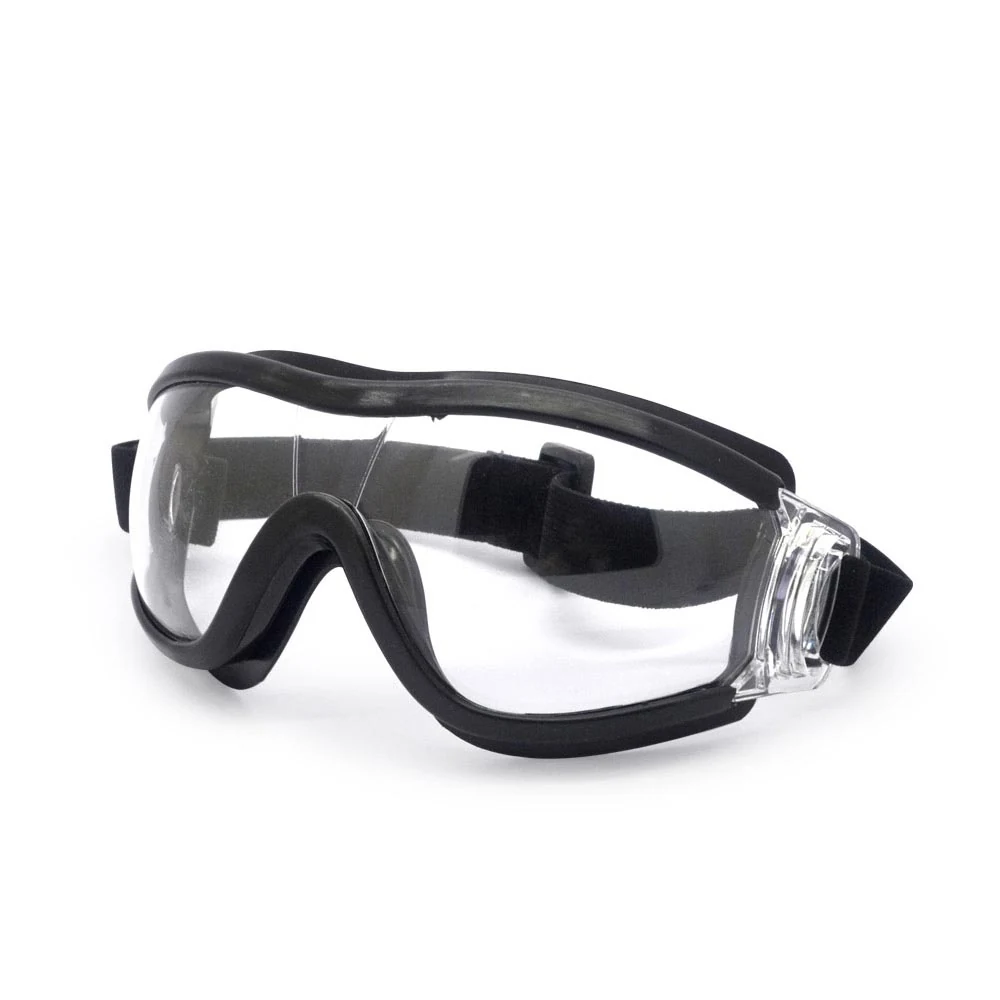
Anti Splash Eyewear Protective Foggy Goggles
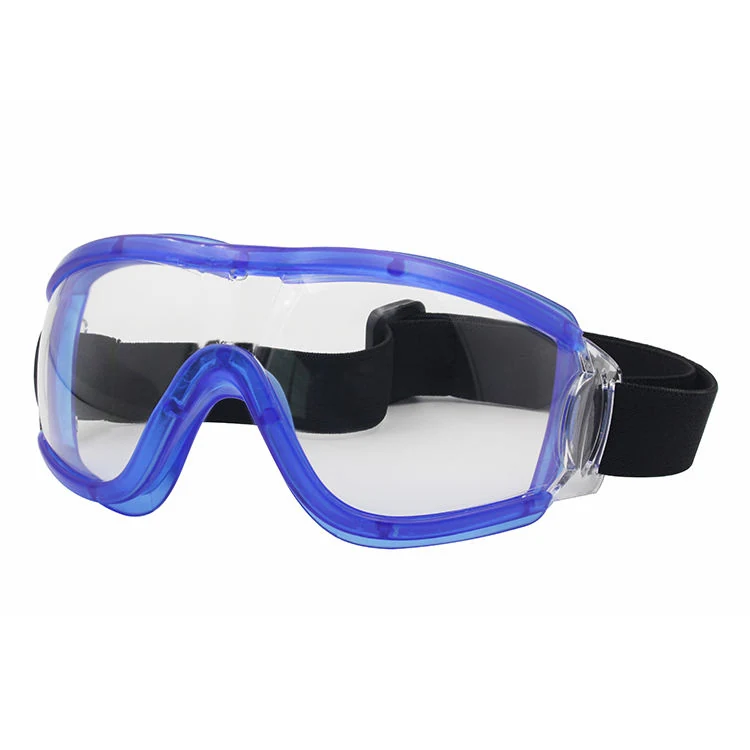
Standard Kids Safety Goggles Eyes Protection
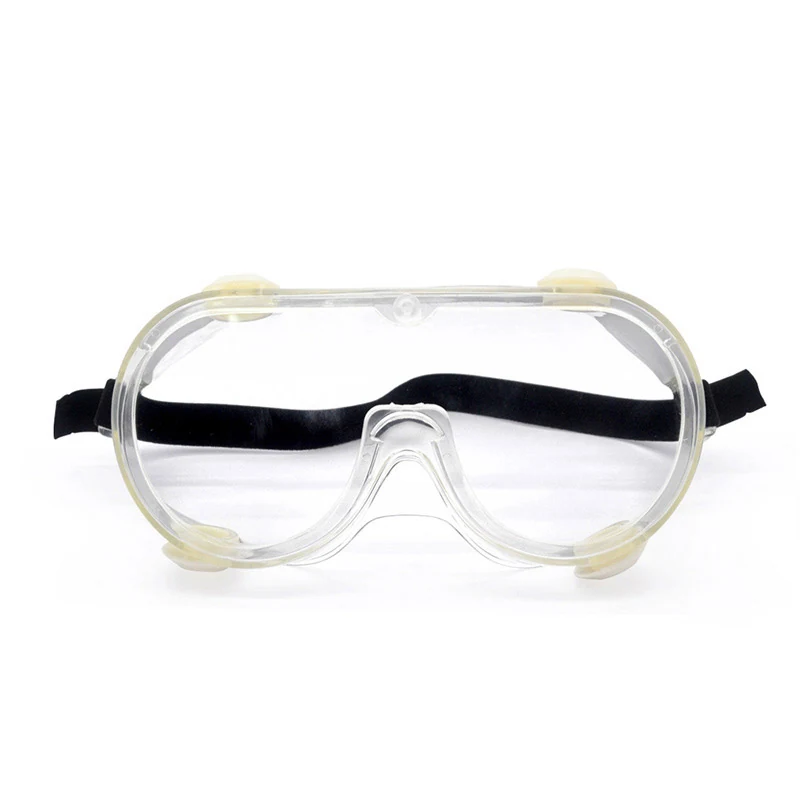
Chemical Safety Goggles Anti-splash Fog Free
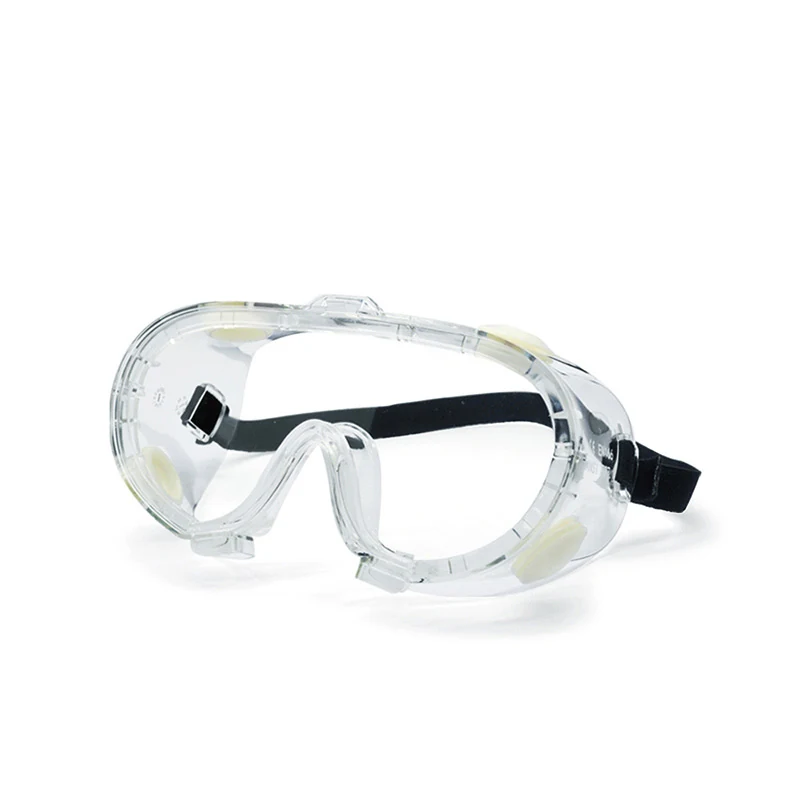
Safety Goggles Anti Mist Dust Liquid
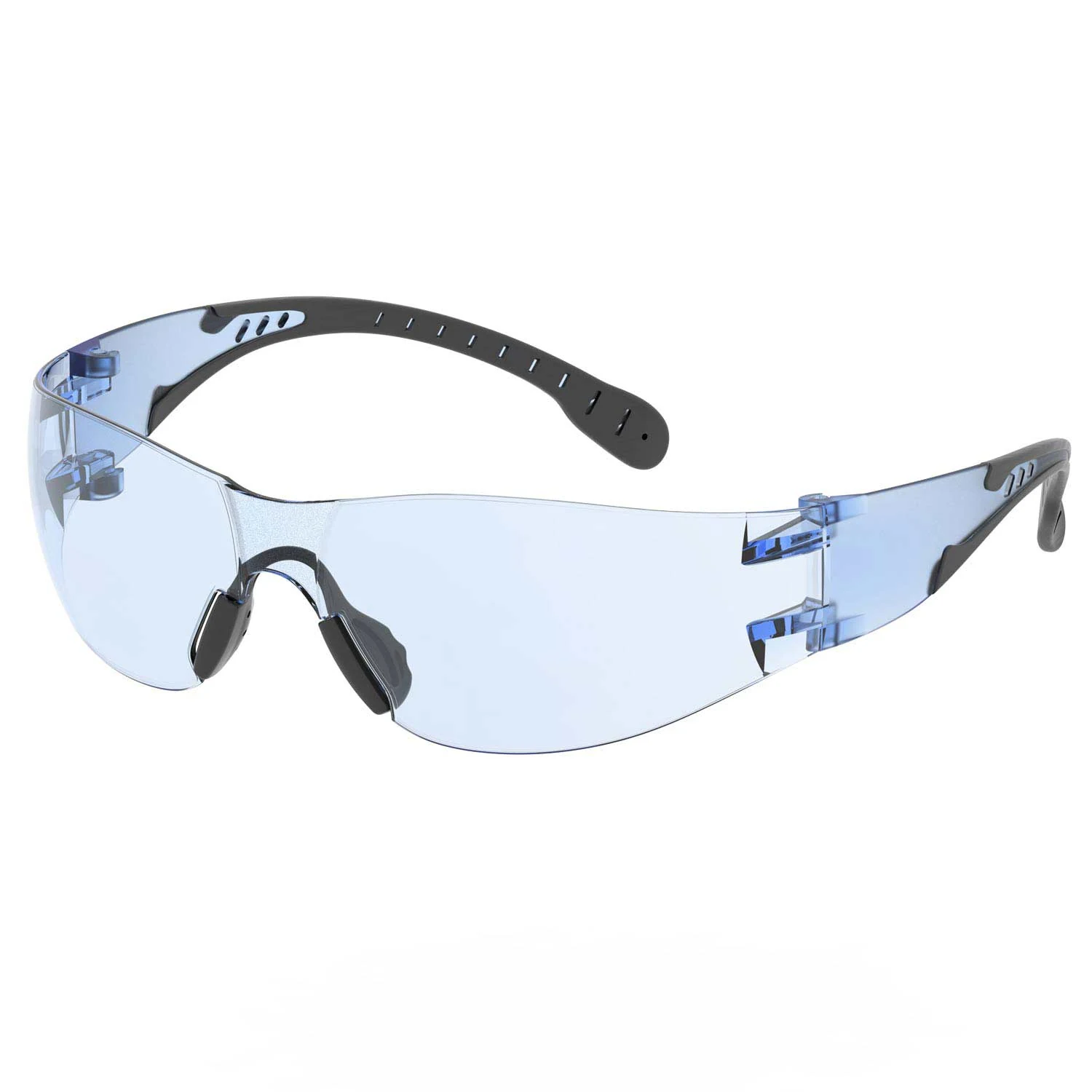
ANSI Prescription Safety Glasses Impact Protection
Questions From This Guide
Is polycarbonate the same as acrylic
No. Acrylic is harder on the surface but brittle on impact. Protective eyewear specifications name polycarbonate because of how it behaves under impact.
Does a clear lens give UV protection
It can. Polycarbonate blocks much of the UV spectrum without being dark, which is why clear lenses in our range are specified with UV protection.
Do all your lenses have hard coating
Hard coating is used across the safety and sports range. The coating on each model is stated on its product page.
Ask Us About This
If your situation is not covered above, describe it and we will answer it properly.