
Why Zinc Alloy Is the Default Metal for Die Cast Giftware
Zinc alloy dominates metal giftware for four practical reasons: it casts fine detail, it takes plating well, it carries weight, and it tools cheaply. Here is what that means when you are choosing a supplier.
It Holds Detail That Stamping Loses
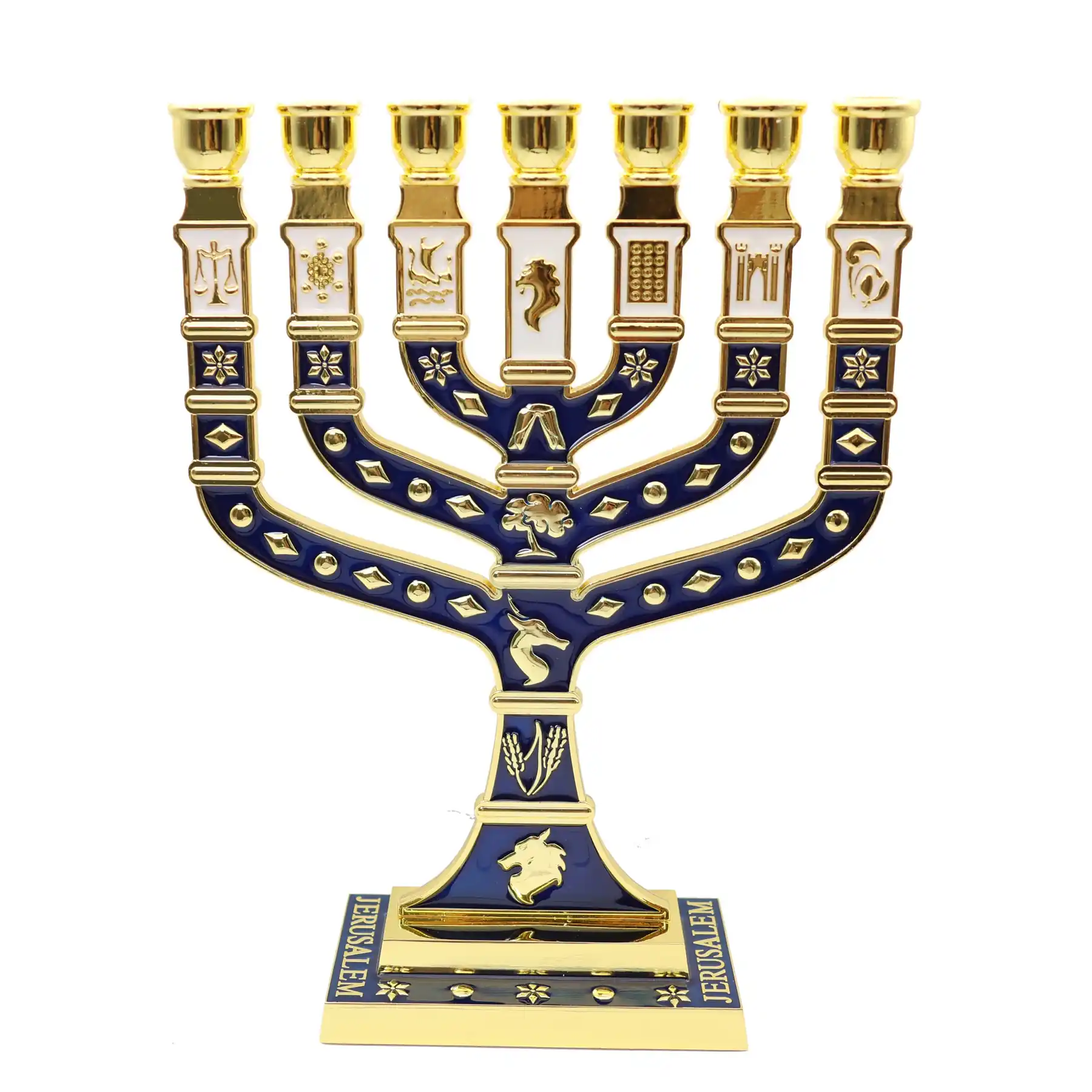
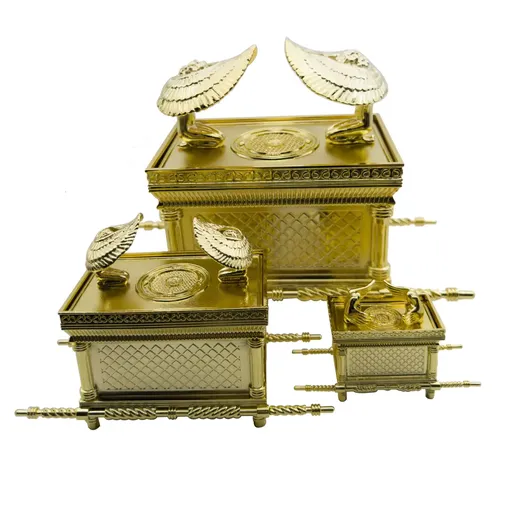
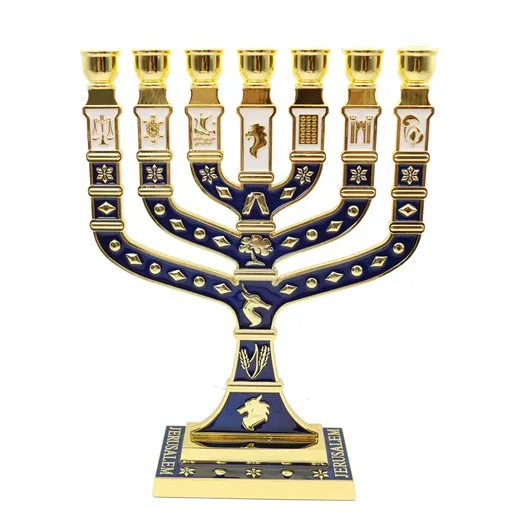
Die casting forces molten zinc alloy into a machined mold under pressure, which is what lets it reproduce relief, undercuts and fine pattern work in one piece. A stamped or pressed part can only be formed from sheet, so branch roots, cherubim, lattice structures and calligraphy all flatten out. This is why a cast menorah has no visible join where the branches meet the stem, and why a cast landmark model still reads as that landmark.
It Takes Plating Evenly
Zinc alloy accepts galvanic plating consistently across a whole surface, which matters because plating is what the buyer actually sees. The limiting factor is not the metal but the polish underneath it: plating magnifies every tool mark and pit left on the casting. A supplier without its own polishing plant is usually the reason a gold finish looks cloudy in the recesses.
It Has Weight
Perceived value in giftware is largely a question of mass in the hand. A 600g cast Ark model reads as a gift; a hollow resin equivalent reads as a souvenir regardless of how it is finished. Zinc alloy gives that weight at a unit cost that brass and bronze cannot match at giftware volumes.
Tooling Is Affordable at Small Volumes
Zinc alloy casts at lower temperatures than brass or aluminium, so molds last longer and cost less to cut. That is what makes a 1,000 piece custom run viable rather than a five-figure tooling commitment, and why a single attraction or congregation can own an exclusive design.
Where Zinc Alloy Is the Wrong Choice
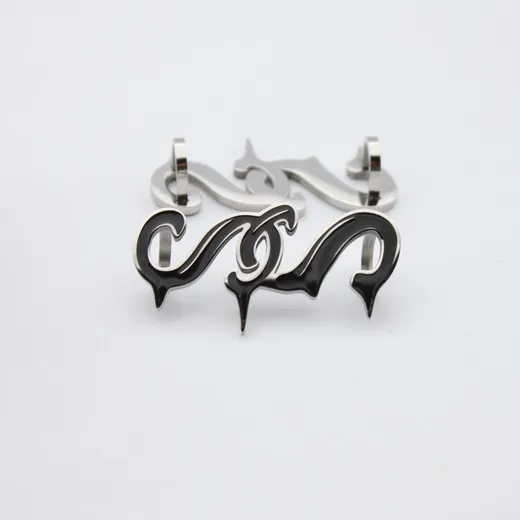
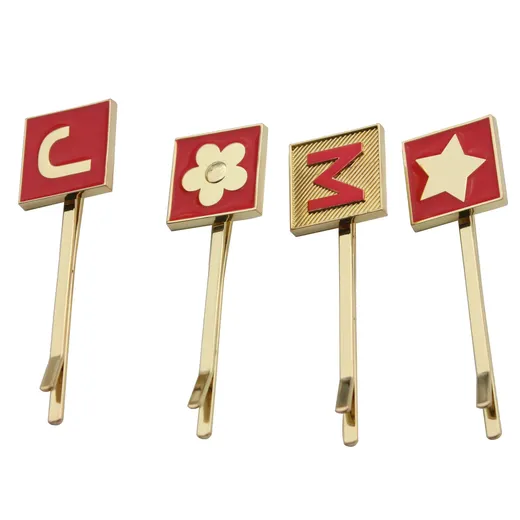
It is not the right metal for everything. For jewellery worn against skin every day, stainless steel and sterling silver are used instead, because plated base metal tarnishes and marks skin within months. For bag and garment hardware, stainless steel 304 resists the corrosion that would otherwise stain the leather around a fitting. For a spring that must keep its tension, such as a hair pin, copper is used instead of cast zinc.
FAQ
Questions On This Topic
Is zinc alloy the same as pot metal?
Zinc alloy die casting is an industrial process with controlled alloy composition, not scrap casting. What varies between suppliers is the polishing and plating applied afterwards, which is where most quality complaints actually originate.
Will zinc alloy tarnish?
The plated surface is what faces the world. Galvanic plating passivates the part so it is durable in daily use, but for items in constant skin contact we recommend stainless steel or sterling silver instead.
Apply This To Your Own Product
Send your design, the environment it will be used in and your quantity. We will recommend the material and finish before quoting.