Syringe filters, chromatography vials, SPE and biotechnology products are produced according to the ISO 9001 standard system. [email protected] +86-15306778688
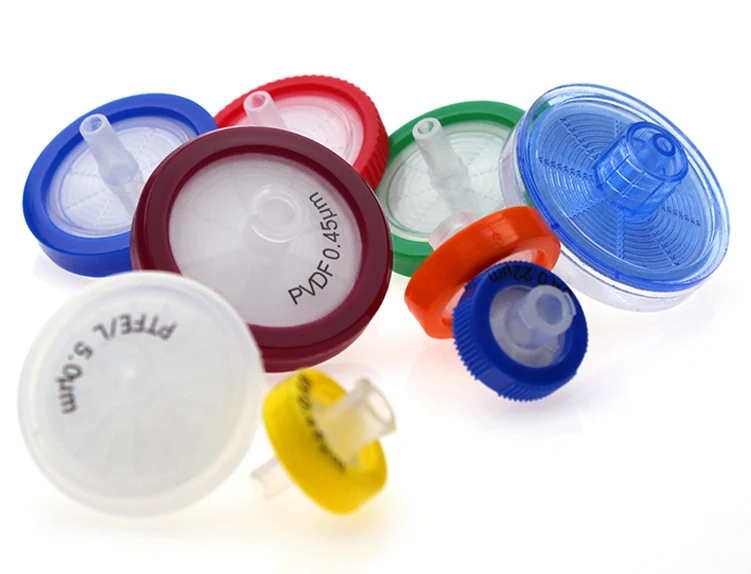
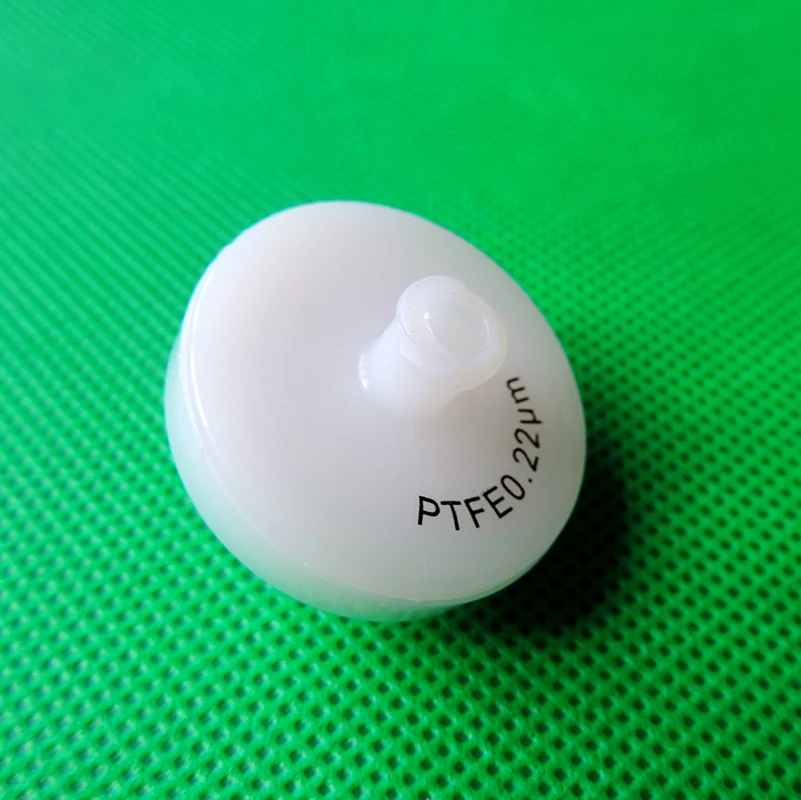
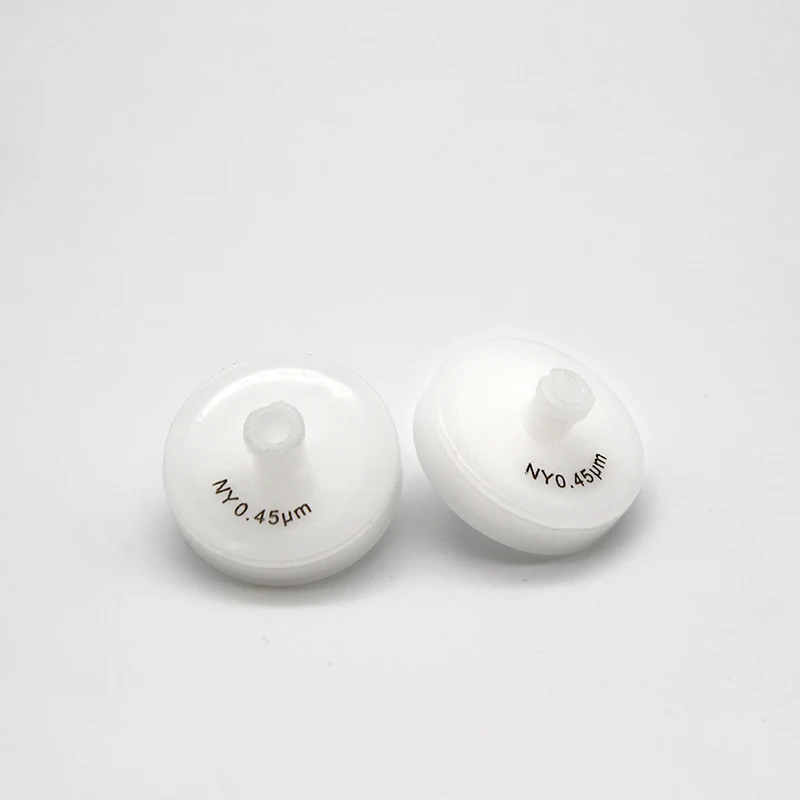
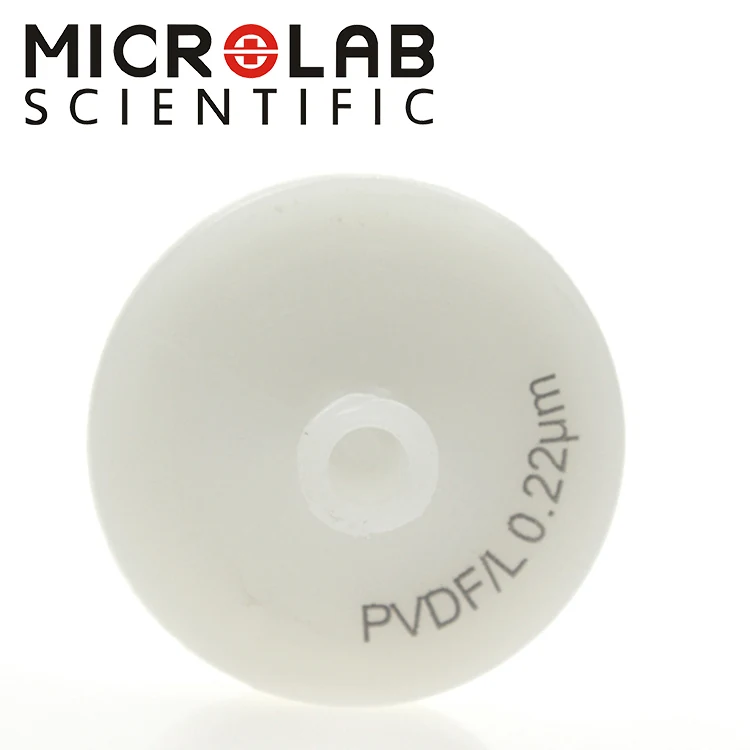
GDXFil Syringe Filter product photo 1
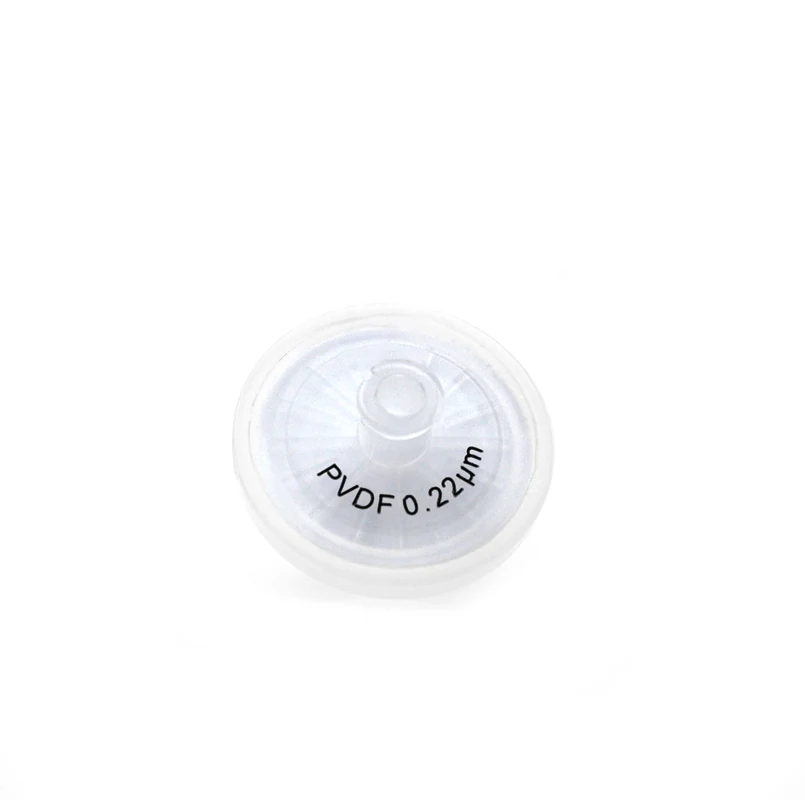
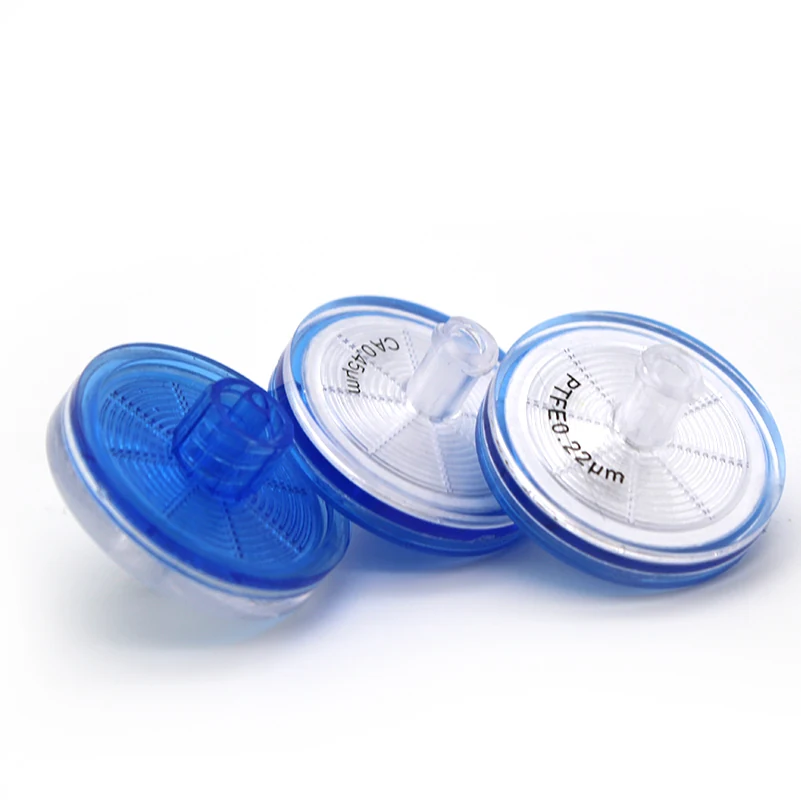
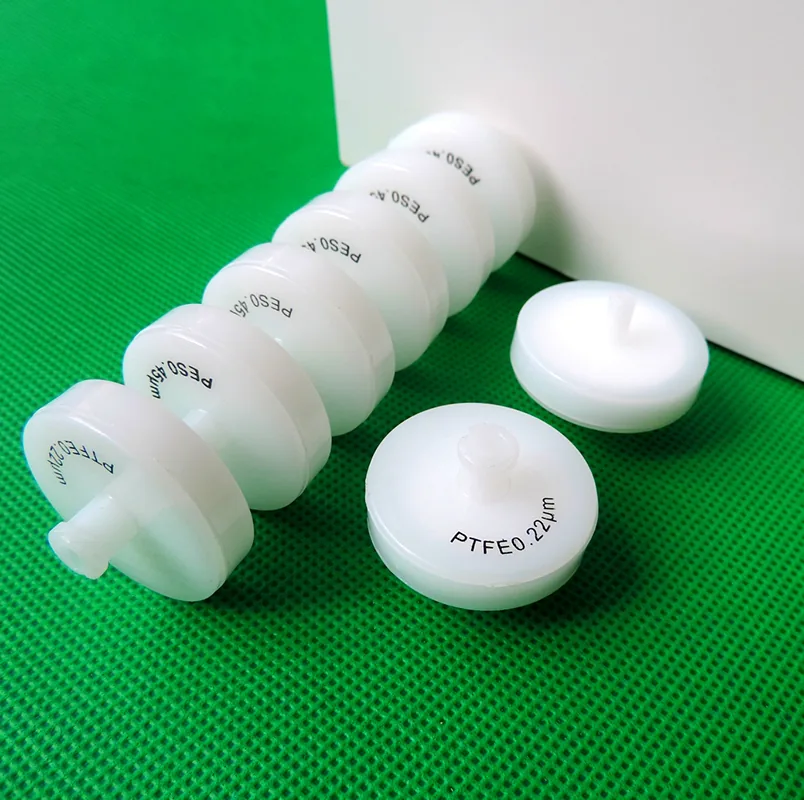
GDXFil Syringe Filter product photo 2GDXFil Syringe Filter product photo 3GDXFil Syringe Filter product photo 4
Syringe Filter

GDXFil Syringe Filter

GDXFil™ is a high-capacity syringe filter designed for samples with high particulate loads, such as environmental, industrial and complex biological matrices. It features a 25 mm pigment-free polypropylene housing with a four-layer membrane stack consisting of Microlab GMF 150 (graded density) and GF/F glass microfiber media. The filter is engineered as a direct replacement for Whatman's GDX syringe filter, offering improved durability and consistent performance in demanding filtration tasks.

  • Four-layer membrane stack with graded density media handles high particulate loads without rapid clogging
  • 25 mm diameter housing provides 4.6 cm² filtration area for high-volume sample processing
  • Ultrasonic welding ensures a strong, leak-free seal without adhesive contamination
  • Pigment-free polypropylene housing reduces extractables in sensitive analytical workflows
Key Benefits

What This Product Gives You

  • Four-layer membrane stack with graded density media handles high particulate loads without rapid clogging
  • 25 mm diameter housing provides 4.6 cm² filtration area for high-volume sample processing
  • Ultrasonic welding ensures a strong, leak-free seal without adhesive contamination
  • Pigment-free polypropylene housing reduces extractables in sensitive analytical workflows
  • Direct replacement for Whatman's GDX syringe filter, enabling method continuity without revalidation
  • Four-layer membrane stack with Microlab GMF 150 (graded density) and GF/F glass microfiber media
  • 25 mm diameter housing with 4.6 cm² effective filtration area
  • Pore sizes of 0.22, 0.45, 0.70, 1.0 micron available across multiple membrane types
  • Ultrasonic welding for sealing, eliminating adhesive in the flow path
  • Female luer lock inlet and male luer slip outlet for standard syringe compatibility
  • Maximum operating pressure of 5.2 bar at 23 C
  • Pigment-free polypropylene housing to reduce extractables
Where It Is Used

Applications And Buyers

Application Scenarios

  • Filtering heavily particulate-laden environmental water samples before ICP-MS or AAS analysis
  • Processing industrial process streams with high suspended solids in chemical and petrochemical QC
  • Preparing crude biological extracts and cell lysates for downstream HPLC or mass spectrometry
  • Handling complex food and beverage matrices with high lipid or protein content
  • Supporting high-throughput sample preparation in pharmaceutical and environmental laboratories

Who It Is For

  • Environmental testing labs handling soil leachates, wastewater and sludge samples
  • Pharmaceutical R&D labs processing crude fermentation broths and cell culture harvests
  • Industrial QC labs analyzing process fluids with high particulate content
  • Contract testing labs requiring a reliable, high-capacity filter for variable sample matrices
  • Lab distributors seeking a direct replacement for Whatman GDX filters with consistent performance

Problems It Solves

  • Filters clogging too quickly when processing samples with high particulate content
  • Ghost peaks or baseline noise from extractables in multi-layer filters with adhesive bonding
  • Inconsistent performance when switching between different filter brands due to geometry or sealing differences
  • Lack of a robust filter for high-volume or dirty samples that can withstand repeated use
  • Difficulty sourcing a direct replacement for Whatman GDX filters without method revalidation
Data

Specifications

Filter MediaNylon, PTFE, Hydrophilic PTFE, MCE, RC, CA, PES, PVDF, Hydrophilic PVDF, GF/F glass microfiber
HousingPP
Diameter25 mm
Filtration Area4.6 cm²
Pore Size0.22, 0.45, 0.70, 1.0 micron
Sealing TechnologyUltrasonic welding
Max Operating Pressure5.2 bar at 23 C
Inlet / OutletFemale luer lock / male luer slip
Packing100 pcs per pack

Materials

  • Pigment-free polypropylene housing
  • Four-layer membrane stack: Microlab GMF 150 (graded density) and GF/F glass microfiber media
  • Membrane types: Nylon, PTFE, Hydrophilic PTFE, MCE, RC, CA, PES, PVDF, Hydrophilic PVDF

Customization Options

  • OEM printing and private-label packing available through the Microlab OEM division
  • OEM contract manufacturing and membrane die-cut and packing services offered
  • Custom membrane stack configurations possible for specific high-particulate applications
How It Is Made

Manufacturing And Quality Control

Manufacturing Process

  • Die-cutting of membrane layers to precise dimensions
  • Stacking of four layers with graded density media for high particulate retention
  • Ultrasonic welding of the membrane stack into the polypropylene housing
  • Inspection of seal integrity and membrane alignment
  • Printing of part number and membrane type on housing
  • Packing at 100 pieces per pack

Quality Control

  • Membrane layers inspected for uniformity and alignment before welding
  • Seal integrity tested under pressure to verify resistance to 5.2 bar at 23 C
  • Pore size and membrane type verified against the printed part number
  • Visual inspection of housing for pigment or defects
Comparison

Compared With The Alternatives

Versus Single-layer syringe filters

The four-layer stack in GDXFil™ provides significantly higher particulate capacity and longer service life when handling dirty samples, reducing the need for frequent filter changes.

Versus Solvent-bonded filters

Ultrasonic welding eliminates adhesive in the flow path, reducing extractables and improving compatibility with sensitive analytical methods.

Versus Whatman GDX syringe filter

GDXFil™ is engineered as a direct replacement, maintaining the same geometry and performance, enabling seamless method transfer without revalidation.

Versus Standard 25 mm filters with single membrane

The multi-layer design of GDXFil™ allows for higher throughput and longer run times on high-particulate samples, reducing downtime and consumable costs.
Use Guide

How To Use It

  • Select the membrane type based on sample chemistry: PTFE and PP for aggressive solvents, PES and MCE for aqueous samples, Nylon and RC for mixed phases
  • Choose 0.22 micron for sterile filtration or fine particulate removal, 0.45 micron for routine clean-up, and 0.70 or 1.0 micron for high-volume, high-particulate samples
  • Use the 25 mm diameter filter for sample volumes exceeding 5 mL or when high particulate load is expected
  • Attach the syringe to the female luer lock inlet, expel air, then apply steady pressure during filtration
  • If pressure increases rapidly, stop and replace the filter-do not exceed 5.2 bar at 23 C
  • Discard the first few drops if the method is sensitive to membrane wetting solvent
Photos

Product Gallery

Also In This Category

Related Products

Read Next

Related Industries And Guides

FAQ

Questions Buyers Ask

What is the difference between GDXFil™ and a standard syringe filter?

GDXFil™ has a four-layer membrane stack with graded density media, designed for high particulate loads, whereas standard filters use a single membrane and clog faster.

Can GDXFil™ replace Whatman's GDX syringe filter?

Yes. GDXFil™ is engineered as a direct replacement for Whatman's GDX syringe filter, with the same geometry and performance.

What pore sizes are available?

Available pore sizes are 0.22, 0.45, 0.70, and 1.0 micron across the range of membrane types.

What is the maximum operating pressure?

The maximum operating pressure is 5.2 bar at 23 C, achieved through ultrasonic welding of the seal.

How are the filters packed?

Each filter is packed in sets of 100 pieces per pack, with part number and membrane type printed on the housing.

Do you offer private-label options?

Yes. The Microlab OEM division provides OEM printing, private-label packing, and contract manufacturing services.

Get A Quote For GDXFil Syringe Filter

Tell us the membrane, pore size, diameter and quantity you need, or describe the sample and we will specify it.

Language