Tired of fumbling with that little Lightning cable every time your AirPods case needs juice? Wondering if you can just pop the case onto a wireless charging pad like your phone? Let’s get that...
Tired of fumbling with that little Lightning cable every time your AirPods case needs juice? Wondering if you can just pop the case onto a wireless charging pad like your phone? Let’s get that sorted.
Yes, many AirPods models can charge wirelessly, but it depends entirely on the charging case you have. Specifically, AirPods (2nd generation) with the Wireless Charging Case, AirPods (3rd generation), and all AirPods Pro models support standard Qi wireless charging.
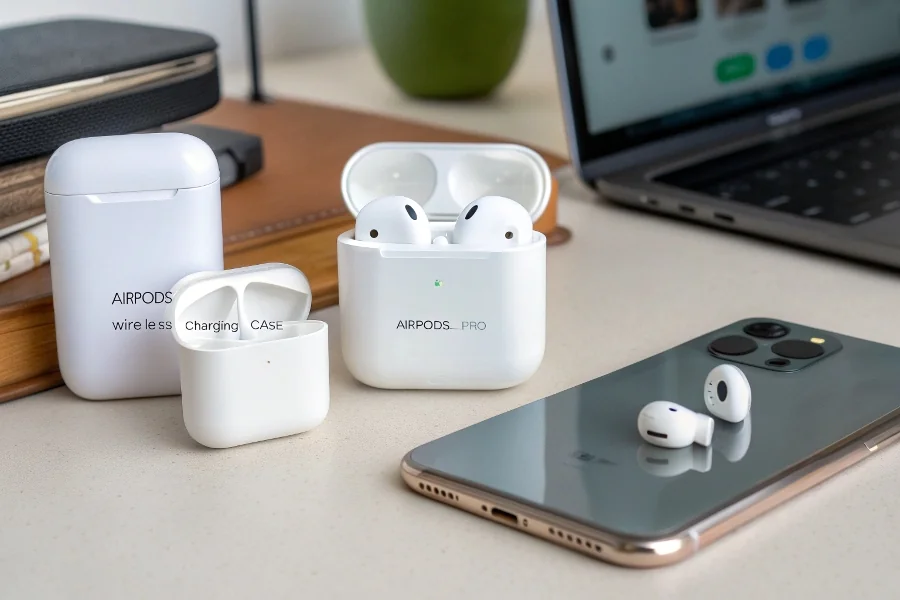
Knowing if they can is just the first step. You’re probably thinking, "Okay, which ones exactly?" or "Do I need a special Apple charger?". As someone who’s been manufacturing chargers for years through FUMEI, I’ve seen these questions pop up constantly. Getting the details right matters, especially for folks like my buyer friend David who need reliable info. Let’s break down which AirPods play nice with wireless pads.
Got a pair of AirPods but unsure if they’re the magical wireless kind? Confused by the different generations and cases Apple offers? It’s easy to get mixed up.
The key is the case, not the AirPods buds themselves. You need either the specific "Wireless Charging Case" sold with some 2nd gen AirPods, or the standard case that comes with AirPods 3rd gen or any AirPods Pro.
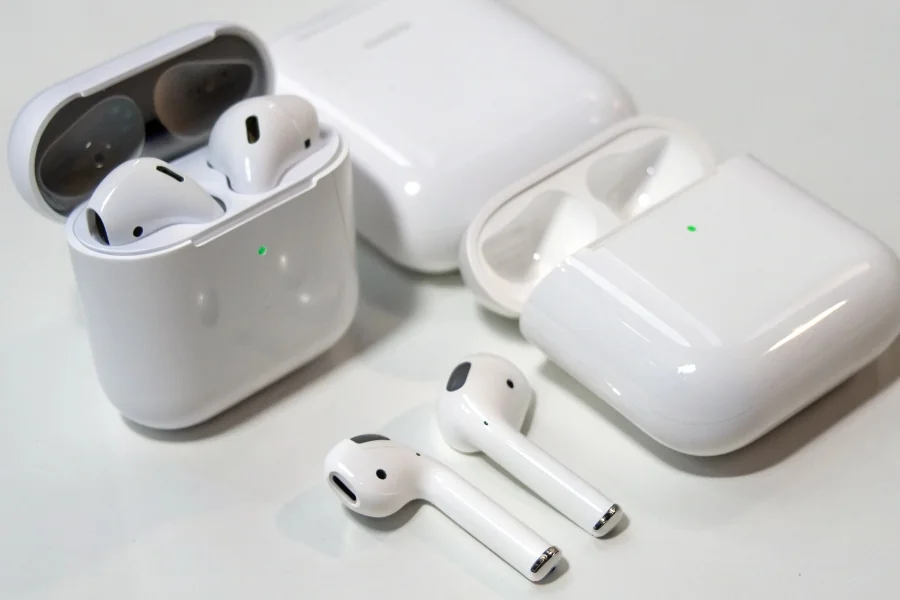
Let’s dig a bit deeper into how to tell them apart and which models definitely have the feature, because this caused real confusion when Apple first introduced the option. Knowing this helps avoid buying the wrong accessory or thinking your AirPods are broken!
This is where most people get tripped up. When Apple released the 2nd generation AirPods, they offered two options:
Thankfully, Apple simplified things later:
Here’s a quick guide:
| AirPods Model | Case Included | Wireless Charging? | Key Identifier |
|---|---|---|---|
| AirPods (1st gen) | Standard | No | Light inside, Model A1602 |
| AirPods (2nd gen) | Standard | No | Light inside, Model A1602 |
| AirPods (2nd gen) | Wireless Charging Case | Yes (Qi) | Light outside, Model A1938 |
| AirPods (3rd gen) | MagSafe Charging Case | Yes (Qi & MagSafe) | Standard, rounded shape, Model A2566 |
| AirPods Pro (1st gen) | Wireless Charging Case | Yes (Qi) | Standard, wider shape, Models A2190 |
| AirPods Pro (2nd gen) | MagSafe Charging Case | Yes (Qi & MagSafe) | Standard, speaker/lanyard loop, Model A2700 |
So, if you have 3rd gen or Pro, you’re set. If you have 2nd gen, check that status light position! As a manufacturer, clarity is key – we always ensure our product compatibility lists are precise for this reason.
Okay, you’ve confirmed your AirPods case is wirelessly chargeable. Success! Now, do you need a fancy, expensive Apple-branded charger, or will any old pad do the trick?
Relax, you don’t need anything special. Any standard Qi-certified1 wireless charger will work perfectly fine for charging your compatible AirPods case. They sip power gently, so high wattage isn’t necessary.
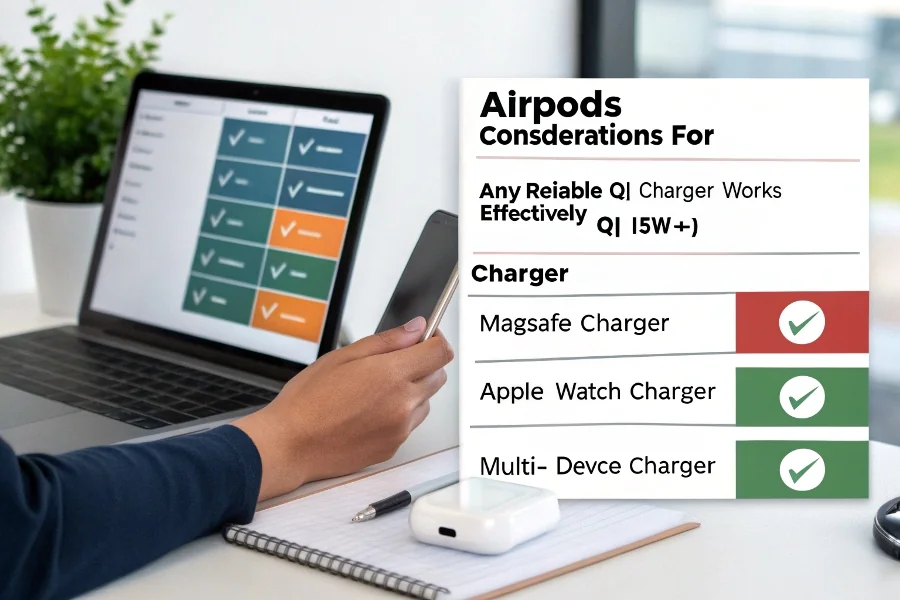
While compatibility is broad, understanding a couple of nuances about Qi and MagSafe can help you choose the best setup for your desk or nightstand, especially if you’re charging multiple devices. Let’s look closer.
Qi (pronounced "chee") is the global standard for wireless charging.
| Charger Type | Works with Wireless AirPods? | Benefit | Drawback |
|---|---|---|---|
| Standard Qi (5W+) | Yes | Widely available, often inexpensive | No magnetic alignment |
| MagSafe Charger | Yes (for compatible cases) | Perfect alignment, satisfying ‘snap’ | More expensive |
| Apple Watch Charger | Only AirPods Pro 2 Case | Niche use case for Pro 2 owners | Won’t charge other AirPods |
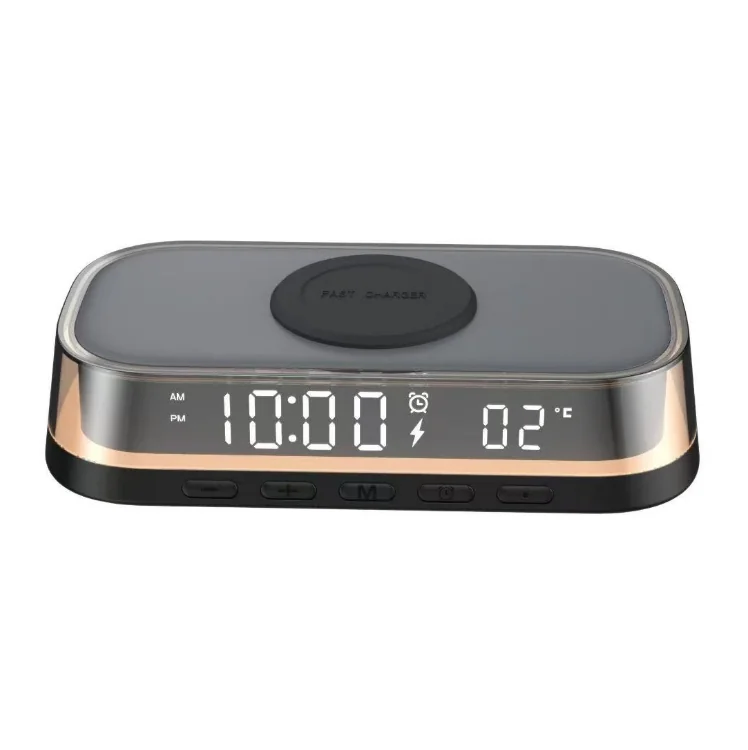
| Multi-Device Charger | Yes (if it has Qi spot) | Charges phone/watch/AirPods simultaneously | Can be larger / more costly |
Essentially, any reliable Qi charger handles the job. If you have a MagSafe iPhone and compatible AirPods, a MagSafe charger offers alignment convenience for both. But don’t feel you need MagSafe just for the AirPods.
Wireless charging for AirPods sounds like pure convenience. Drop the case, grab it later fully charged. But are there any hidden downsides compared to just plugging in the Lightning cable?
Honestly, the drawbacks are minimal for AirPods. Wireless charging is slightly slower and a tiny bit less energy-efficient, but the battery inside the case is small, making these differences barely noticeable in everyday use.
Unlike phones where wireless charging speed can be significantly slower than fast wired charging, the difference for AirPods is much less dramatic. Let’s quickly compare the practical aspects.
This is the overwhelming advantage.
| Feature | Wireless Charging (Qi) | Wired Charging (Lightning) | Notes for AirPods User |
|---|---|---|---|
| Convenience | High | Medium | Main reason to use wireless |
| Speed | Slightly Slower | Slightly Faster | Difference often negligible in practice |
| Heat | Very Low | Minimal | Not a concern |
| Efficiency | Lower | Higher | Negligible impact due to small battery |
| Cost | Requires Qi Pad purchase | Uses included cable | Factor in cost of a pad if you don’t have one |
From my perspective building charging tech at FUMEI, the minor technical trade-offs of wireless charging for low-power devices like AirPods are easily outweighed by the user convenience. It just makes life a little bit easier.
So, can AirPods charge wirelessly? Yes, provided you have a 3rd gen, Pro model, or a 2nd gen with the specific Wireless Charging Case. Any Qi charger works, making it super convenient.
Explore this link to understand the importance of Qi certification for safe and efficient wireless charging. ↩
Learn about MagSafe compatibility and how it enhances the charging experience for your devices. ↩
Discover the benefits of wireless charging for AirPods and why it might be the best choice for you. ↩
We manufacture what these articles describe, in China and in Vietnam.
FUMEI builds power adapters, wall chargers, car chargers and wireless chargers in China and Vietnam.