Tired of plugging and unplugging that lightning cable on your iPhone 11? Wondering if you can just drop it on a pad and let it charge? Let’s clear that up. Yes, absolutely. The iPhone 11, along with...
Tired of plugging and unplugging that lightning cable on your iPhone 11? Wondering if you can just drop it on a pad and let it charge? Let’s clear that up.
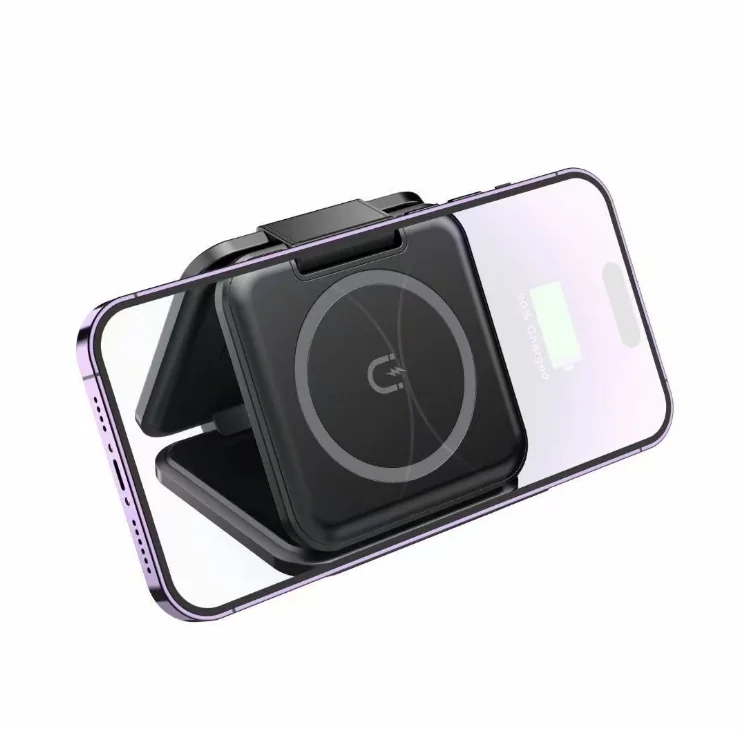
Yes, absolutely. The iPhone 11, along with the iPhone 11 Pro and iPhone 11 Pro Max, comes with built-in wireless charging capability. It uses the widely adopted Qi (pronounced "chee") standard, so compatibility is generally quite good.
Now that you know it can be done, you probably have more questions running through your mind. What kind of charger do you need? Are there any catches? As someone who’s been deep in the charger manufacturing world for years, I’ve seen these questions come up time and again. Let’s dive into the details so you can make the best charging choices for your device and maybe even for your business if you’re sourcing these products like my friend David.
Picked up an iPhone 11 and eyeing those sleek wireless chargers? Worried you might grab the wrong one and waste your money? Getting the right type is key.
Good news: the iPhone 11 isn’t too picky. It needs a Qi-certified wireless charger1. Qi is the universal standard, meaning most wireless chargers you find today should work. Just look for the Qi logo for guaranteed compatibility and safety.
Choosing the right charger involves a bit more than just spotting the Qi logo, especially if you’re sourcing these for resale. You need to think about power output and certification reliability – things that directly impact user experience and safety.
The Qi standard is managed by the Wireless Power Consortium (WPC)2. A charger being "Qi-certified" means it has passed rigorous tests for safety, interoperability, and energy efficiency. Why does this matter?
Wireless chargers come with different power ratings (like 5W, 7.5W, 10W, 15W). Here’s the deal for the iPhone 11:
So, a 7.5W Qi-certified charger is the sweet spot.
| Feature | Importance for iPhone 11 | Notes |
|---|---|---|
| Qi Certified | High | Essential for safety and compatibility. |
| Wattage | Medium | 7.5W is optimal; 5W works (slower); >7.5W offers no speed benefit. |
| Brand | Medium | Reputable brands often mean better quality control. |
| Form Factor | Low (Personal Pref) | Pad, stand, multi-device – choose what suits you. |
From my experience manufacturing chargers, sticking to certified products saves a lot of headaches later, both for personal use and especially if you’re buying in bulk.
Okay, wireless charging sounds convenient, just drop and go. But you might be wondering if it’s all sunshine and rainbows. Are there hidden drawbacks you should know about?
Yes, there are a few trade-offs. The main ones are charging speed, potential heat generation, and energy efficiency. While convenient, it’s generally slower than using a good quality wired charger and cable.
Understanding these potential downsides helps you decide when wireless charging is the best fit for your needs. Let’s break them down based on what I’ve seen in testing and production.
This is usually the most noticeable difference.
So, if speed is your top priority, plugging in with a PD charger is the way to go. Wireless is better for overnight charging or topping up at your desk when speed isn’t critical.
Wireless charging inherently generates more heat than wired charging due to inductive power transfer.
You actually use more electricity to deliver the same amount of charge to your phone wirelessly compared to using a cable.
| Factor | Wireless Charging (7.5W Qi) | Wired Charging (18W+ PD) | Wired Charging (5W Basic) |
|---|---|---|---|
| Max Speed | Moderate | Fastest | Slowest |
| Convenience | High (Drop & Go) | Low (Plug-in) | Low (Plug-in) |
| Heat Gen. | Moderate | Low | Very Low |
| Efficiency | Lower | Higher | Highest (but slow charge) |
Ultimately, wireless charging for the iPhone 11 is a great convenience feature, but it comes with compromises in speed and efficiency.
You’re sourcing electronics like wireless chargers, maybe from China or Vietnam like me. But you worry about getting stuck with duds, fake certifications, or shipment delays, right? It’s a common headache.
The key is diligence. You need to verify certifications, check the manufacturer’s reputation, test samples thoroughly, and maintain clear communication. Don’t just trust; verify everything.
This is where dealing directly with manufacturers like FUMEI, who understand the technology and the importance of quality control, can make a huge difference. Let me share some practical steps based on my years running charger factories and helping buyers like David navigate this.
Don’t just take the supplier’s word or a logo on the box.
Look beyond the product itself.
Before placing a bulk order, test samples thoroughly.
| Verification Step | Action | Why it’s Crucial |
|---|---|---|
| Qi Certification | Check WPC Database | Confirms safety, compatibility, avoids fake certs. |
| Manufacturer Check | Audit (if possible), check history, reviews | Ensures reliable production & quality control. |
| Communication Clarity | Detailed specs, responsive contact | Prevents misunderstandings, errors, delays. |
| Sample Testing | Test function, heat, durability | Verifies real-world performance before bulk order. |
Sourcing reliable chargers isn’t just about finding the lowest price; it’s about finding a partner who prioritizes quality, transparency, and reliability – values we built FUMEI on. Taking these steps protects your investment and your brand’s reputation.
So, yes, your iPhone 11 absolutely supports Qi wireless charging. Just grab a certified 7.5W charger for the best balance, be mindful of the speed trade-off, and source carefully!
We manufacture what these articles describe, in China and in Vietnam.
FUMEI builds power adapters, wall chargers, car chargers and wireless chargers in China and Vietnam.