
Building a Touch-Free Hand-Wash Sequence
A touch-free washroom only works if the whole sequence is touch-free. A sensor tap beside a push-button soap dispenser solves nothing.
Stage by Stage
Map the sequence
The problem: Automatic fittings are specified one at a time, leaving at least one manual touch point in the sequence.
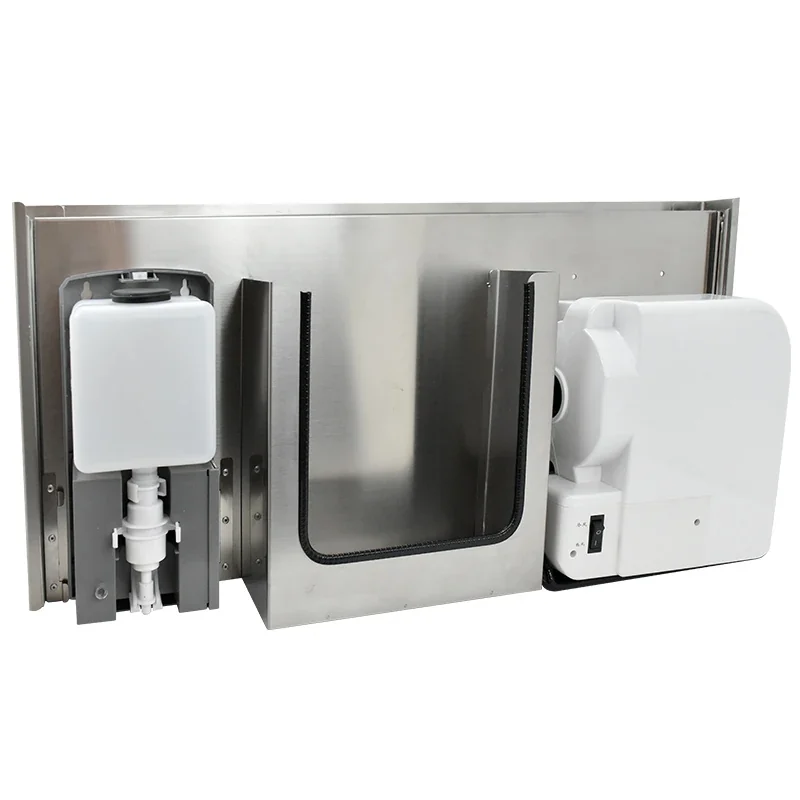
How we handle it: Work through the whole sequence: soap, water, dry, waste. Each step has a touch-free option in the range.
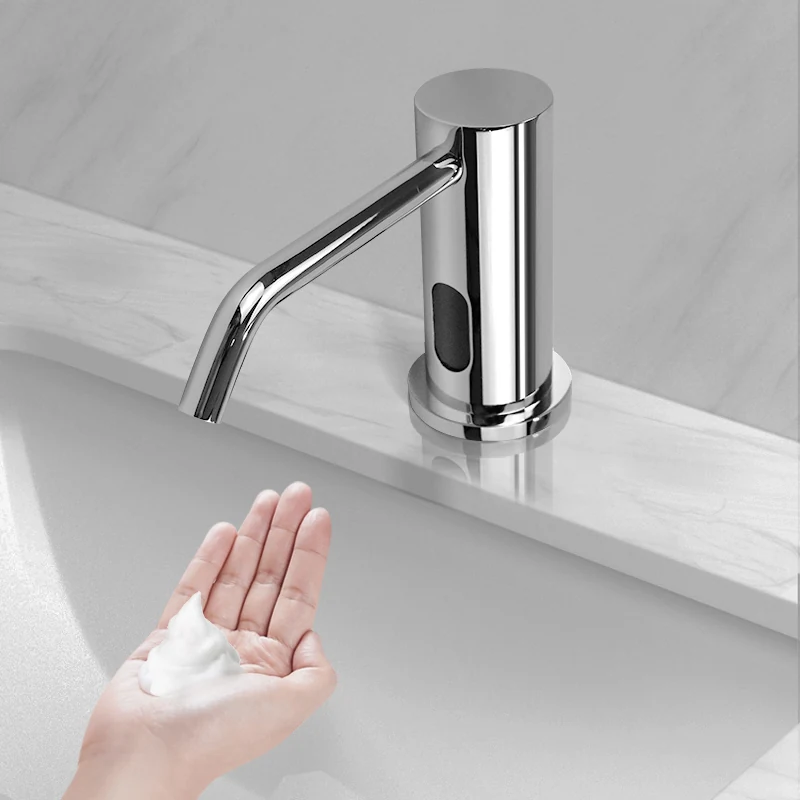
Soap
The problem: The soap station is the hardest touch point in a washroom to keep hygienic.
How we handle it: Wall-mounted and deck-mounted sensor soap dispensers, designed to pair with the sensor taps on the same vanity.
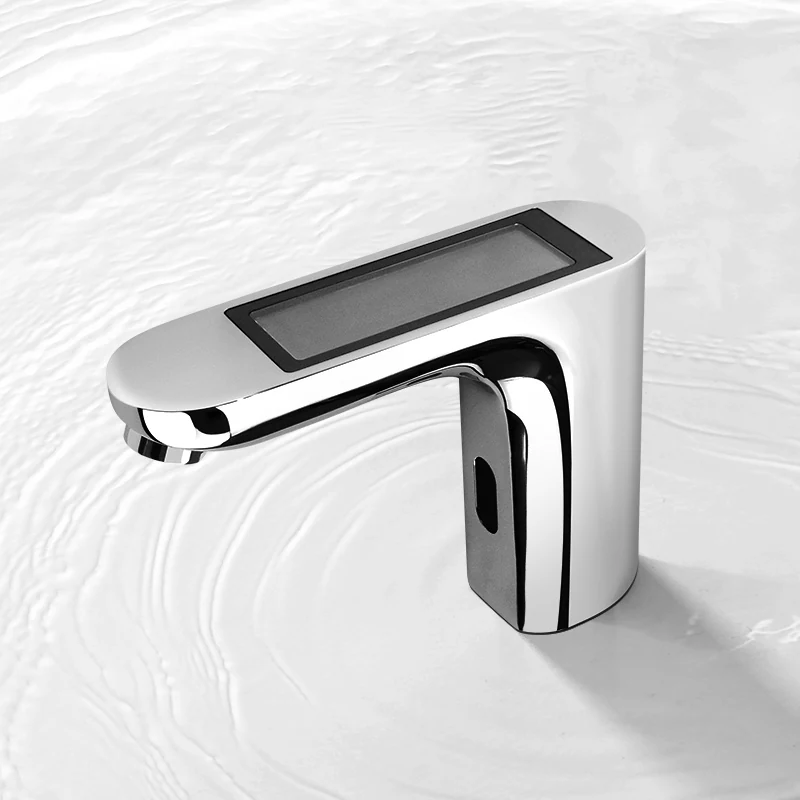
Water
The problem: Manual taps left running waste water across a building with hundreds of daily users, and the handle is a shared touch point.
How we handle it: Deck-mounted sensor faucets sized to standard basin tap holes, so a retrofit does not mean re-drilling the vanity top.
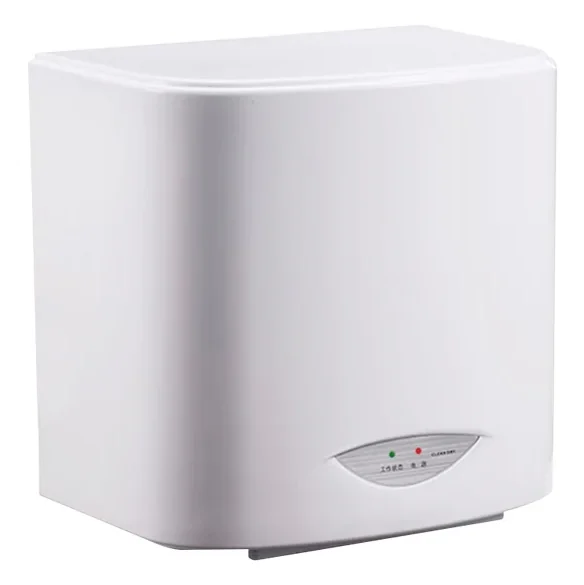
Dry
The problem: Paper towel is a recurring consumable cost and a refill round.
How we handle it: SS304 hand dryers with published power ratings, including IPX4 rated models for exposed positions beside a wash trough.
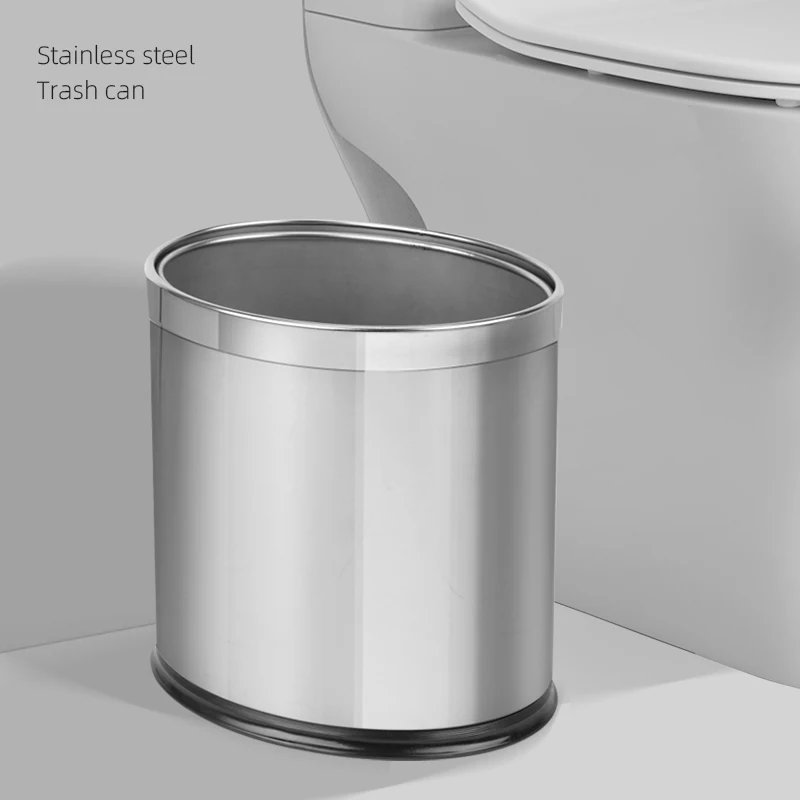
Waste
The problem: A swing-lid bin re-introduces a touch point at the end of the sequence.
How we handle it: Open stainless waste bins in wall-mounted and freestanding formats, finished to match the dispensers on the same wall.
What This Covers
Touch-Free Washroom — Questions
Do the sensor taps and soap dispensers match?
Are the sensor fittings mains or battery powered?
Can the fittings be recessed behind the mirror?
Start With a Drawing or a Schedule
Send the setting-out, the finish schedule or just a list of room types. We will tell you what is standard, what is made to size, and what we need from you.