
Equipo de laboratorio
Reactor de vidrio
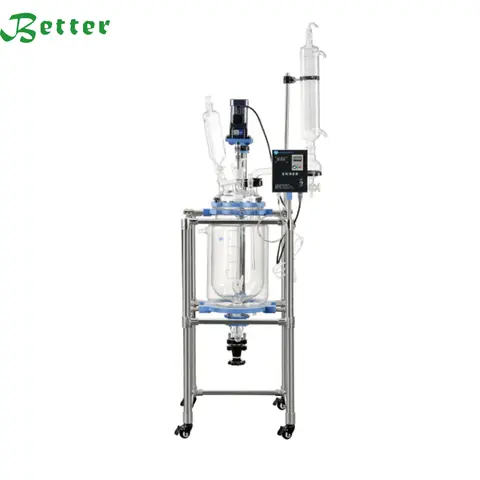
reactores de vidrio de doble capa para reacción agitada, reflujo y destilación de -60°C a 200°C.
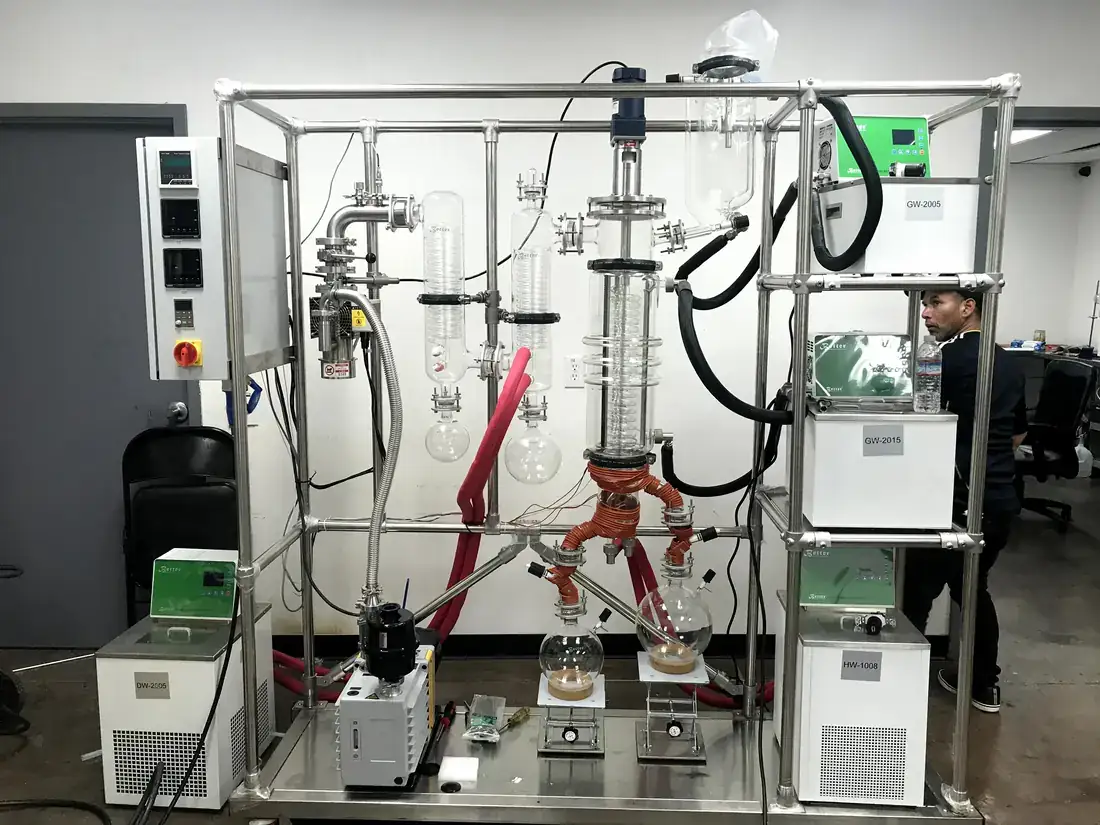
A jacketed glass reactor is built from two layers of glass. The reaction material sits in the inner vessel where it is stirred, while refrigerating fluid, hot water or hot oil circulates through the jacket between the two layers to heat or cool the batch. Because the vessel is sealed, the stirred reaction can be run at constant temperature under ordinary or negative pressure, and reflux and distillation can be carried out in the same unit.
Para quién es este equipo
- Laboratories running stirred reactions under controlled temperature
- Extraction R&D teams carrying out reflux and distillation trials
- Process development groups that need to observe the reaction
- Producción piloto de pequeños lotes bajo vacío
Problemas que resuelve
- Reactions that drift because the temperature is not controlled
- Separate vessels needed for reaction, reflux and distillation
- Glassware that cannot take the thermal shock of a wide temperature swing
- No way to run the batch under negative pressure
Ventajas clave
-60°C a 200°C
One vessel covers cooling and heating with the appropriate circulating medium.
Sealed and stirred
Stirred reaction under constant temperature at ordinary or negative pressure.
Reflux and distillation
Back-flow and distillation can be run in the same reactor.
Borosilicate 3.3
GG-17 glass for chemical and thermal resistance.
Máquinas en esta categoría
Especificaciones publicadas como construidas por la fábrica. Otros tamaños se citan contra su material.
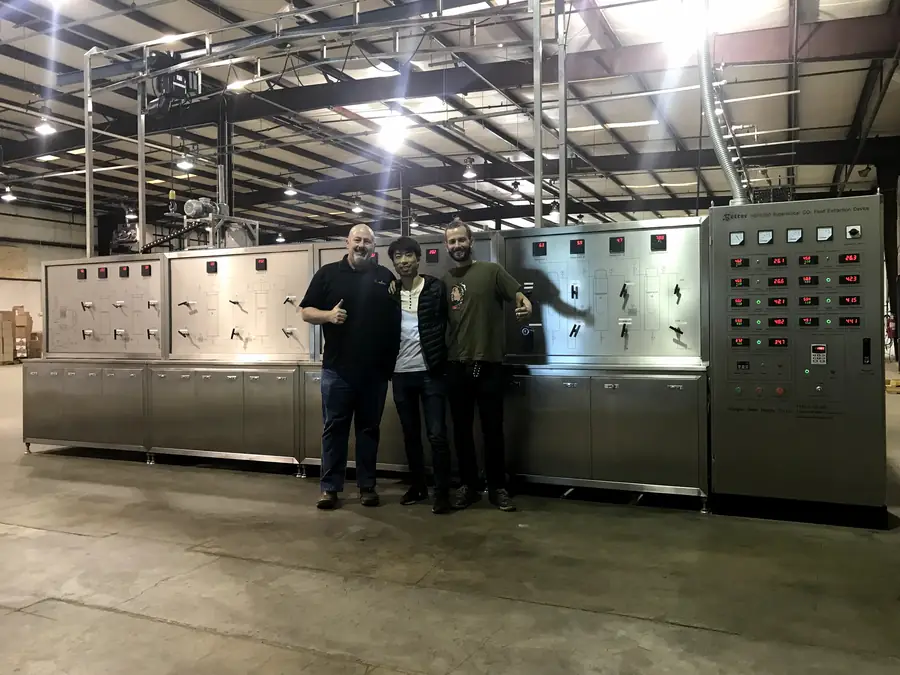
Instalado en sitios de clientes
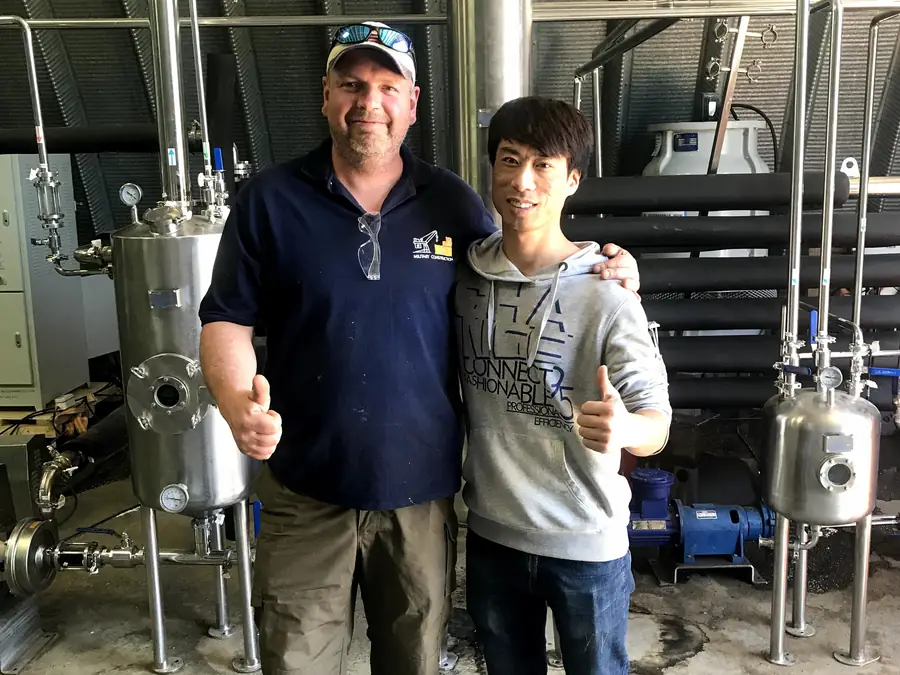
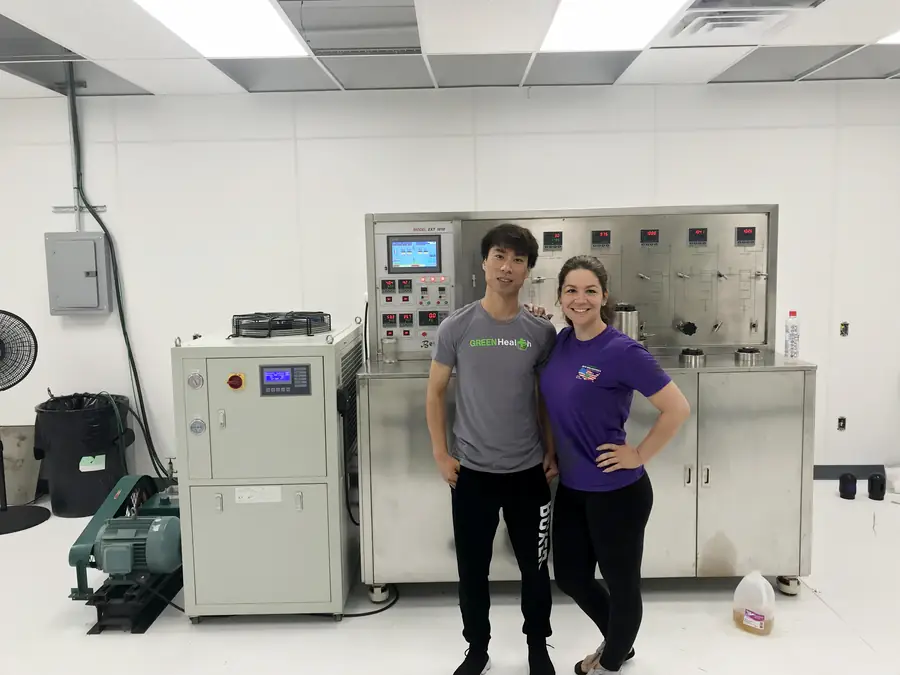
Fotografías tomadas durante la instalación y puesta en marcha.
Aplicaciones de la industria relacionadas
Soluciones relacionadas
Guías relacionadas
Preguntas frecuentes
Questions About Glass Reactor
What temperature range does the jacketed glass reactor cover?
Can the reactor run under vacuum?
What glass is the vessel made from?
Siguiente paso
Get A Specification For Glass Reactor
Dos respuestas comienzan: su materia prima, y la capacidad de producción que necesita por lote.
Enviar dos cosas y una especificación real regresa: la materia prima que va a procesar, y la capacidad de producción que necesita por lote.