
Laborausrüstung
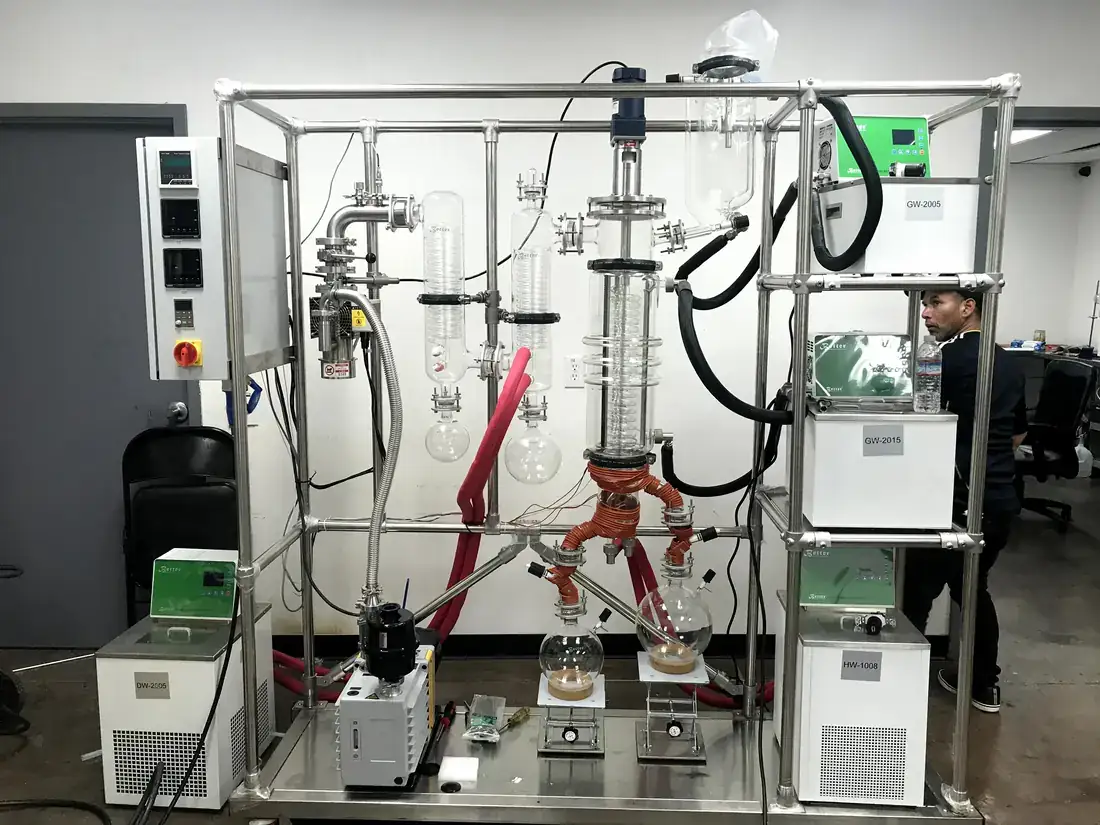
Glasreaktor
Doppelschicht-Mantelglasreaktoren für Rührreaktion, Rückfluss und Destillation von -60 °C bis 200 °C.
A jacketed glass reactor is built from two layers of glass. The reaction material sits in the inner vessel where it is stirred, while refrigerating fluid, hot water or hot oil circulates through the jacket between the two layers to heat or cool the batch. Because the vessel is sealed, the stirred reaction can be run at constant temperature under ordinary or negative pressure, and reflux and distillation can be carried out in the same unit.
Für wen diese Ausrüstung ist
- Laboratories running stirred reactions under controlled temperature
- Extraction R&D teams carrying out reflux and distillation trials
- Process development groups that need to observe the reaction
- Pilotproduktion von Kleinserien unter Vakuum
Welche Probleme es löst
- Reactions that drift because the temperature is not controlled
- Separate vessels needed for reaction, reflux and distillation
- Glassware that cannot take the thermal shock of a wide temperature swing
- No way to run the batch under negative pressure
Wichtigste Vorteile
-60 °C bis 200 °C
One vessel covers cooling and heating with the appropriate circulating medium.
Sealed and stirred
Stirred reaction under constant temperature at ordinary or negative pressure.
Reflux and distillation
Back-flow and distillation can be run in the same reactor.
Borosilicate 3.3
GG-17 glass for chemical and thermal resistance.
Maschinen in dieser Kategorie
Veröffentlichte Spezifikationen wie von der Fabrik gebaut. Andere Größen werden gegen Ihr Material zitiert.
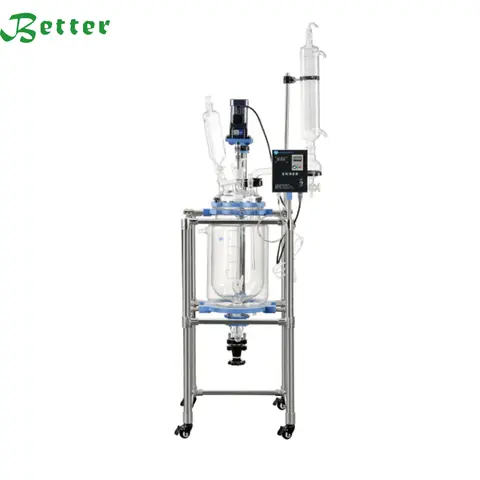
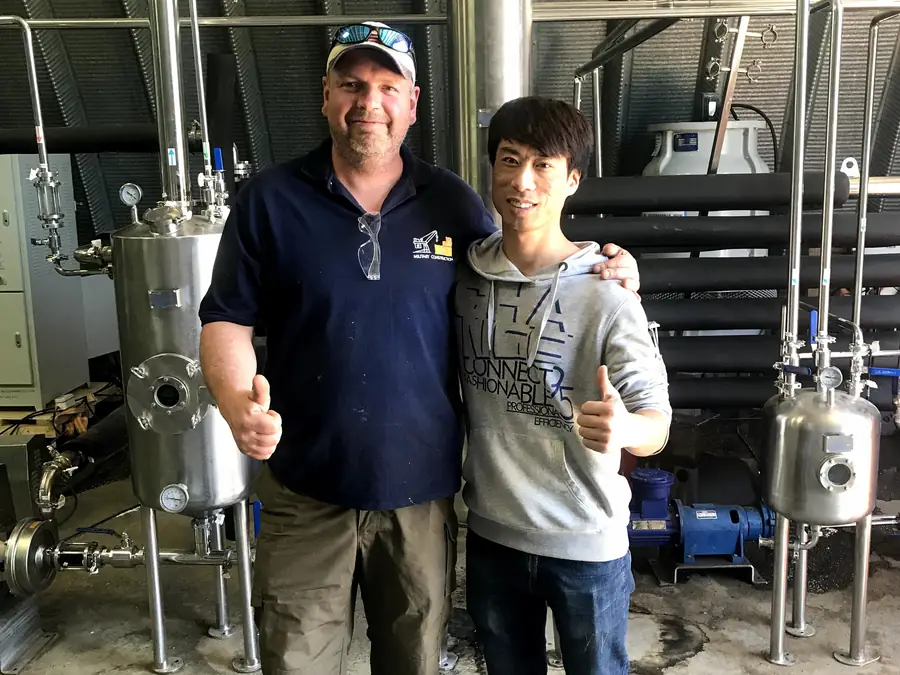
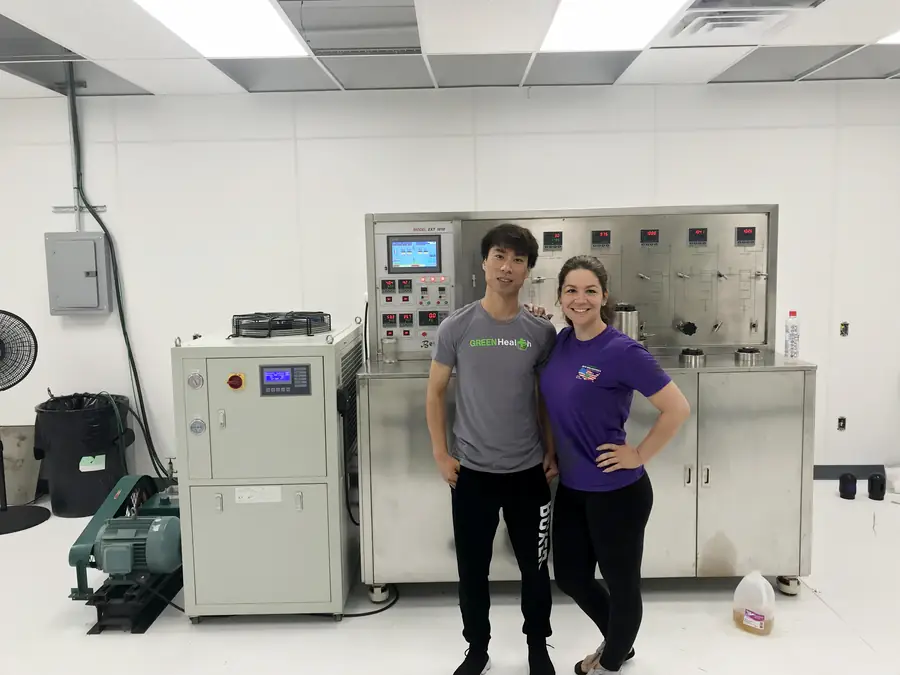
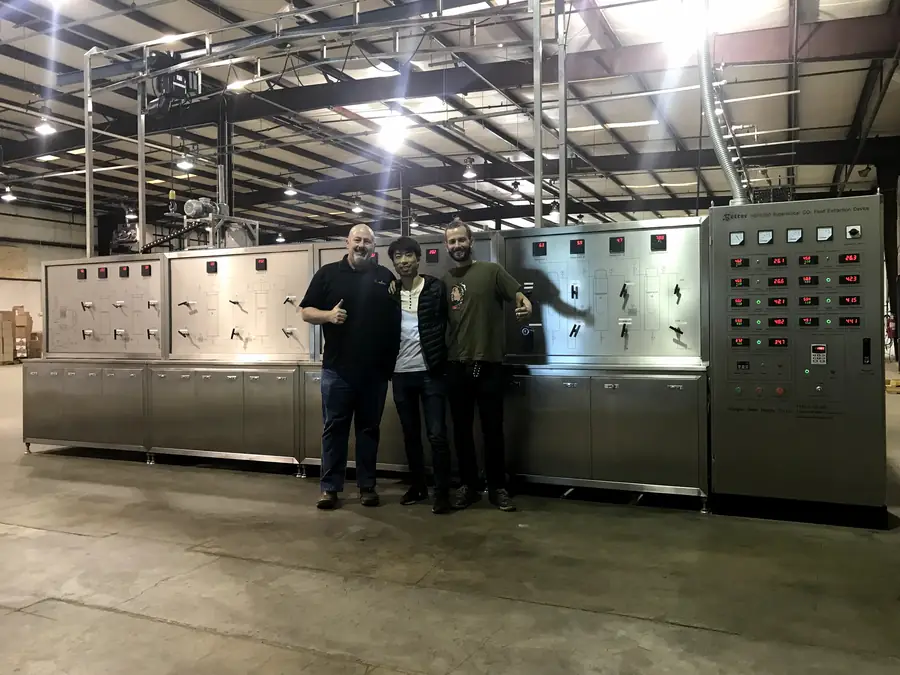
Installiert auf Kundenseiten
Fotos, die während der Installation und Inbetriebnahme gemacht wurden.
Verwandte Industrieanwendungen
Verwandte Lösungen
Verwandte Leitfäden
Häufige Fragen
Questions About Glass Reactor
What temperature range does the jacketed glass reactor cover?
Can the reactor run under vacuum?
What glass is the vessel made from?
Nächster Schritt
Get A Specification For Glass Reactor
Zwei Antworten beginnen es: Ihr Rohmaterial und die Produktionskapazität, die Sie pro Charge benötigen.
Senden Sie zwei Dinge und eine echte Spezifikation kommt zurück: das Rohmaterial, das Sie verarbeiten werden, und die Produktionskapazität, die Sie pro Charge benötigen.