
Astronomiekamera
Astronomiekameras für Deep-Sky-Bildgebung, planetare Erfassung und automatische Führung von Teleskopen. Jedes Modell verbindet sich über USB mit einem Computer und verwendet CMOS-Sensoren mit Kühlung oder hoher Empfindlichkeit, um Geräusche bei Langzeitbelichtungsaufnahmen zu reduzieren.
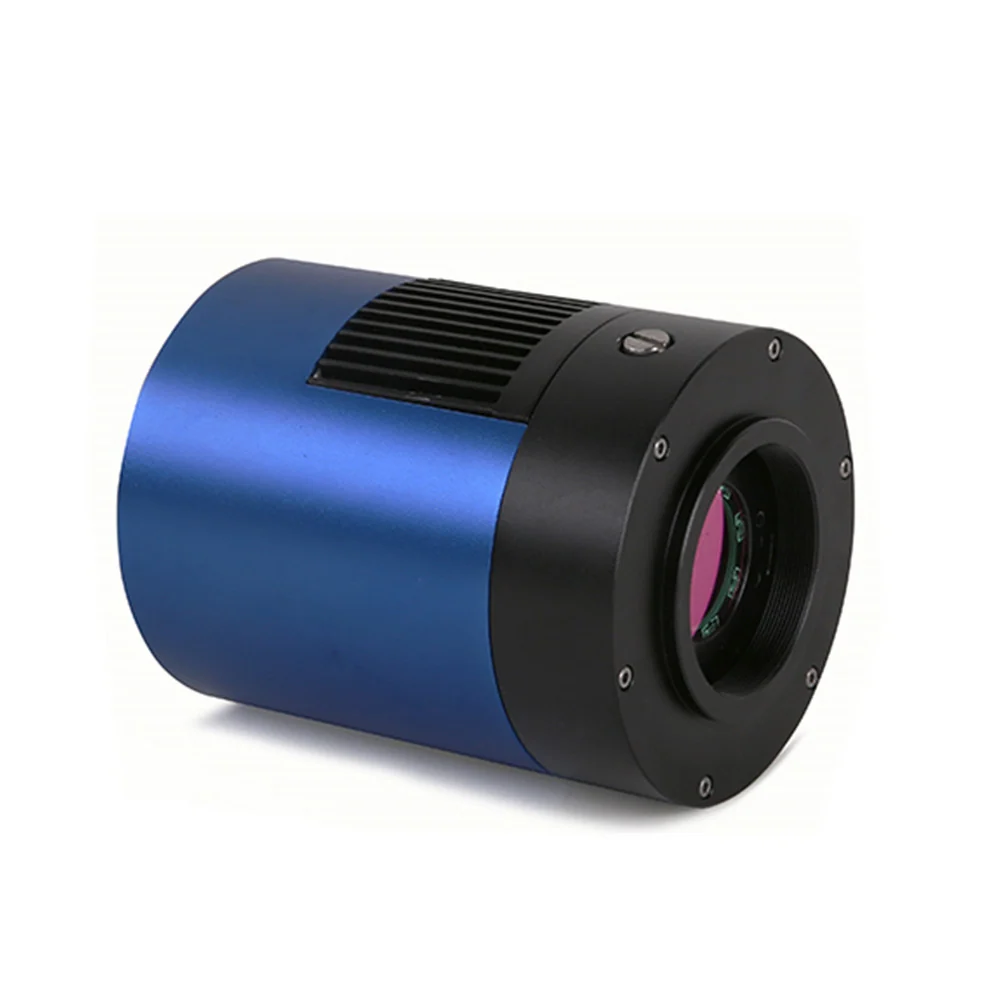
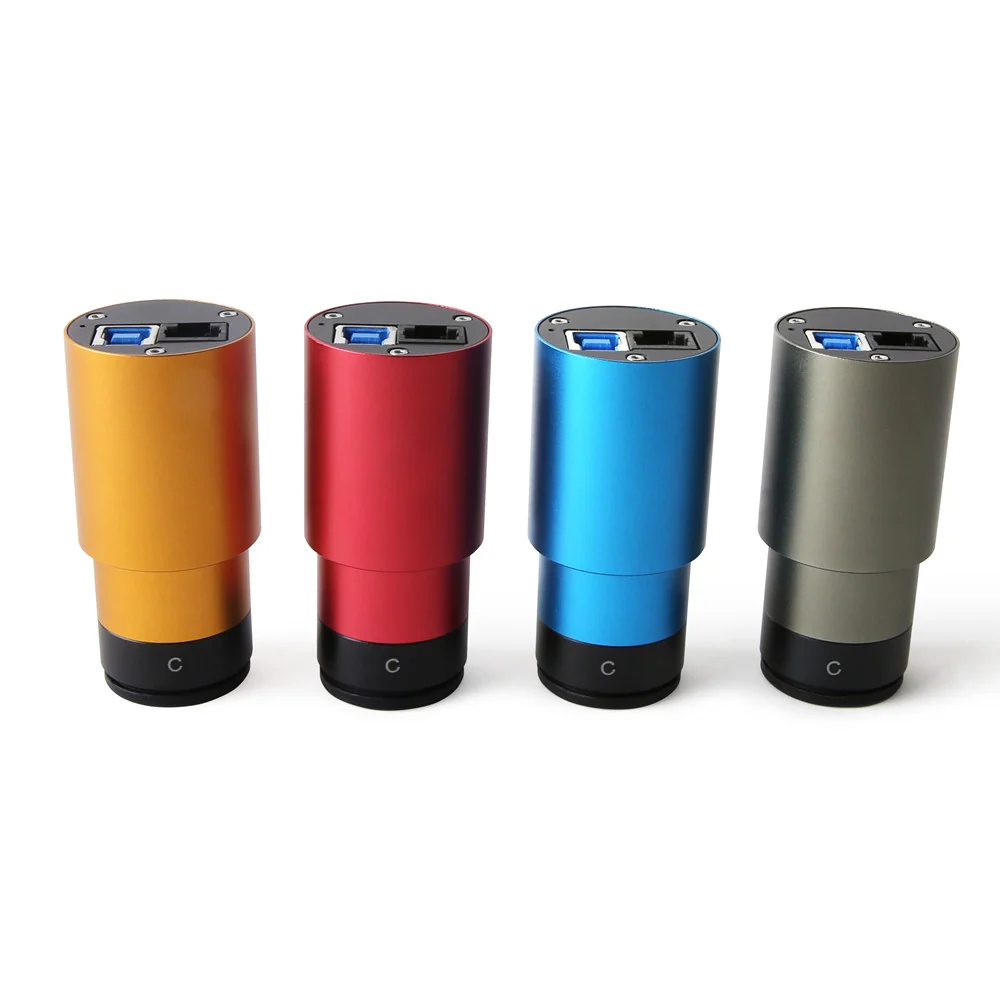
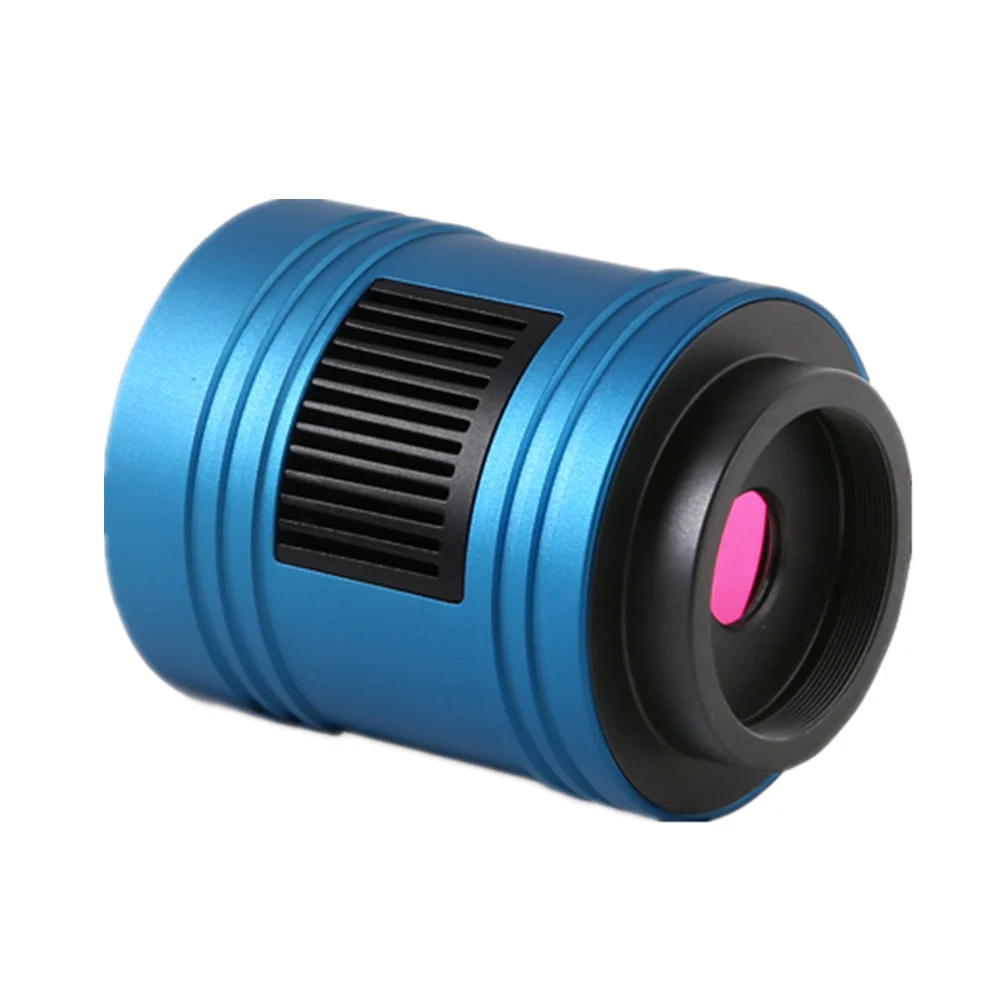
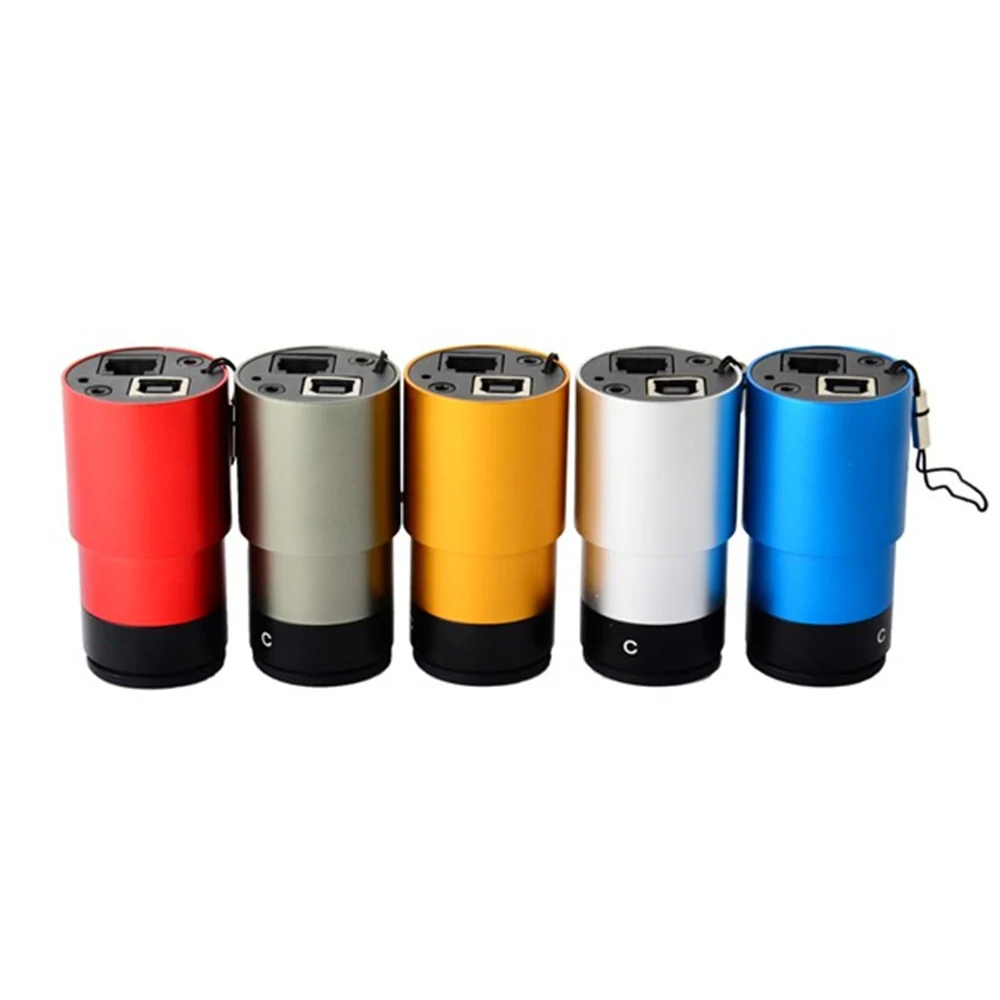
The Astronomy Camera range covers 4 catalogue items. Models in this range include ATR3CMOS M42+2" USB3.0 TE-Cooling CMOS Astronomy Camera; G3M C+1.25" Mount USB3.0 CMOS Guiding Astronomy Camera; G3CMOS M42+1.25" Mount USB3.0 Guiding Astronomy Camera; GPCMOS C+1.25" Mount USB2.0 CMOS Guiding Astronomy Camera. Every item is listed with the specification published for it, so a model can be compared on working distance, magnification, interface and fitment rather than on a description.
Every Astronomy Camera In Stock
Alle 4 Artikel in dieser Kategorie, vollständig aufgeführt.
What Goes Wrong Without the Right Astronomy Camera
- Long-exposure astrophotography is ruined by thermal noise in uncooled sensors
- Manual guiding of a telescope requires constant attention and is error-prone
- Low-light scenes show grainy or underexposed images due to sensor sensitivity limits
- USB2.0 interfaces limit data transfer speed during high-resolution imaging sessions
- Incompatible mounting threads prevent secure attachment to standard telescope focusers
Wer kauft aus dieser Kategorie
- Amateur astronomers doing deep-sky imaging with Newtonian or refractor telescopes
- Planetary imagers capturing high-resolution frames of Jupiter, Saturn and the Moon
- Astrophotography teams using auto-guiding systems to track stars during long exposures
- Educational institutions teaching observational astronomy and telescope operation
Warum diese Artikel
- Two-stage Peltier cooling reduces sensor temperature, minimizing thermal noise in long exposures
- Sony Exmor, Exmor R and Exmor RS CMOS sensors deliver high sensitivity and low read noise
- USB3.0 interface enables fast data transfer for high-resolution and high-frame-rate imaging
- Built-in ST4 auto guider port allows direct connection to guiding systems without extra adapters
- M42 and 1.25-inch mounting threads match standard telescope focusers and camera adapters
Wo diese verwendet werden
- Capturing a faint nebula with a 300-second exposure where thermal noise would otherwise overwhelm the signal
- Guiding a telescope during a 10-minute exposure using an auto-guider connected via ST4 port
- Imaging Jupiter's cloud bands at high frame rate with a cooled CMOS sensor to reduce noise
- Using a USB3.0 camera to stream live video from a telescope to a laptop for real-time alignment
Bevor Sie bestellen
- Compare the Astronomy Camera models on the figure that decides the job, not on the headline magnification
- Bestätigen Sie die Schnittstellendimension gegenüber Geräten, die Sie bereits besitzen, bevor Sie bestellen
- Senden Sie die Aufgabe sowie die Modellnummer, damit die Konfiguration überprüft werden kann
- Fordern Sie eine schriftliche Bestätigung einer Zahl an, von der ein Angebot oder eine Prüfung abhängt
Häufig gestellte Fragen
Does the ATR3CMOS have cooling, and how effective is it?
Yes, the ATR3CMOS uses a two-stage Peltier cooling system to reduce sensor temperature, which lowers thermal noise during long exposures.
Can I use the G3CMOS camera for planetary imaging?
Yes, the G3CMOS series uses high-sensitivity CMOS sensors with low noise, making it suitable for high-frame-rate planetary imaging.
What is the difference between USB2.0 and USB3.0 in these astronomy cameras?
USB3.0 offers faster data transfer, allowing higher resolution and frame rates. USB2.0 is slower and limits performance in high-speed imaging.
Do these cameras work with auto-guiding software?
Yes, all models with an ST4 port can connect directly to auto-guiding systems for precise tracking during long exposures.
Are the mounting threads compatible with my telescope?
Yes, the cameras use standard M42 and 1.25-inch threads, which fit most telescope focusers and camera adapters.
Get A Price On Astronomy Camera
Senden Sie die Modellnummern, die Sie in Betracht ziehen, oder beschreiben Sie die Aufgabe und lassen Sie sie uns für Sie in die engere Wahl ziehen.