
كاميرا علم الفلك
كاميرات علم الفلك مصممة للتصوير في أعماق السكك، والصيد الكوكبي، والتوجيه التلقائي للتلسكوب. ويربط كل نموذج حاسوبا عن طريق USB ويستخدم أجهزة استشعار من طراز CMOS مع التبريد أو الحساسية العالية للحد من الضوضاء في الطلقات البعيدة المدى.
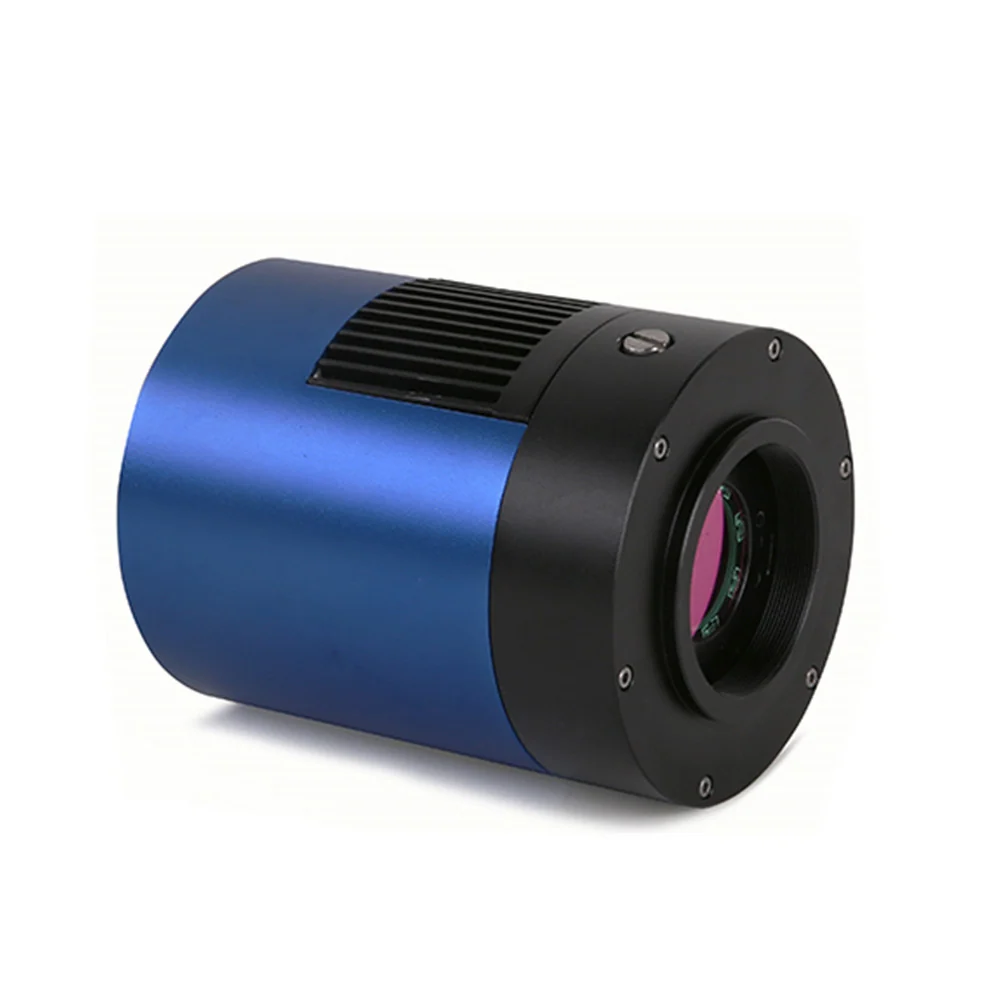
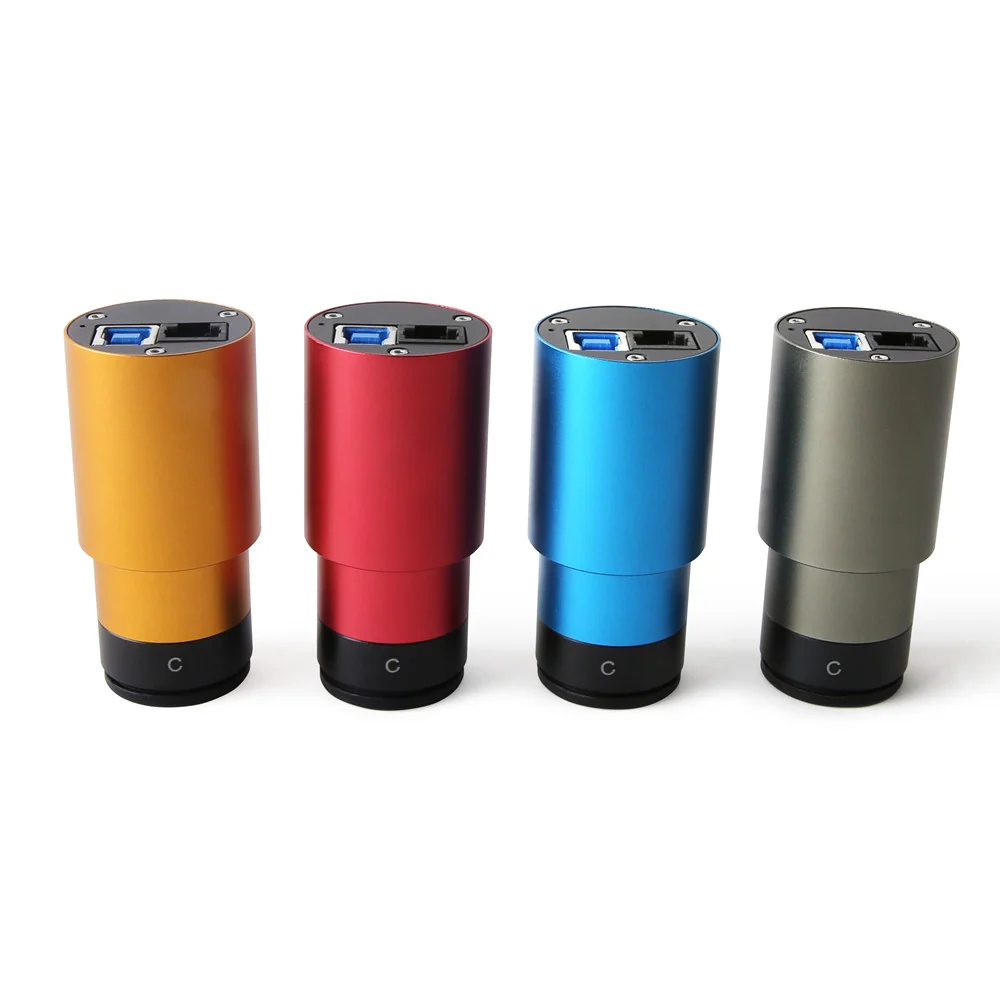
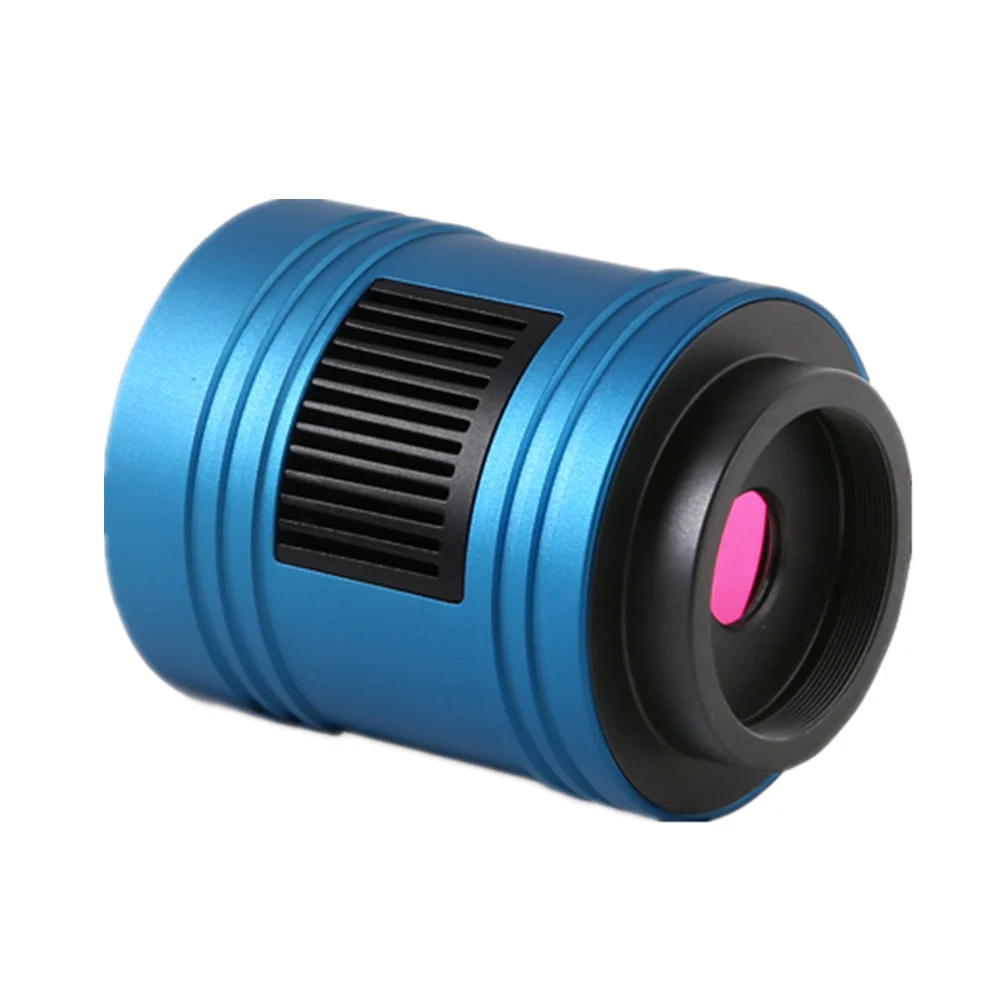
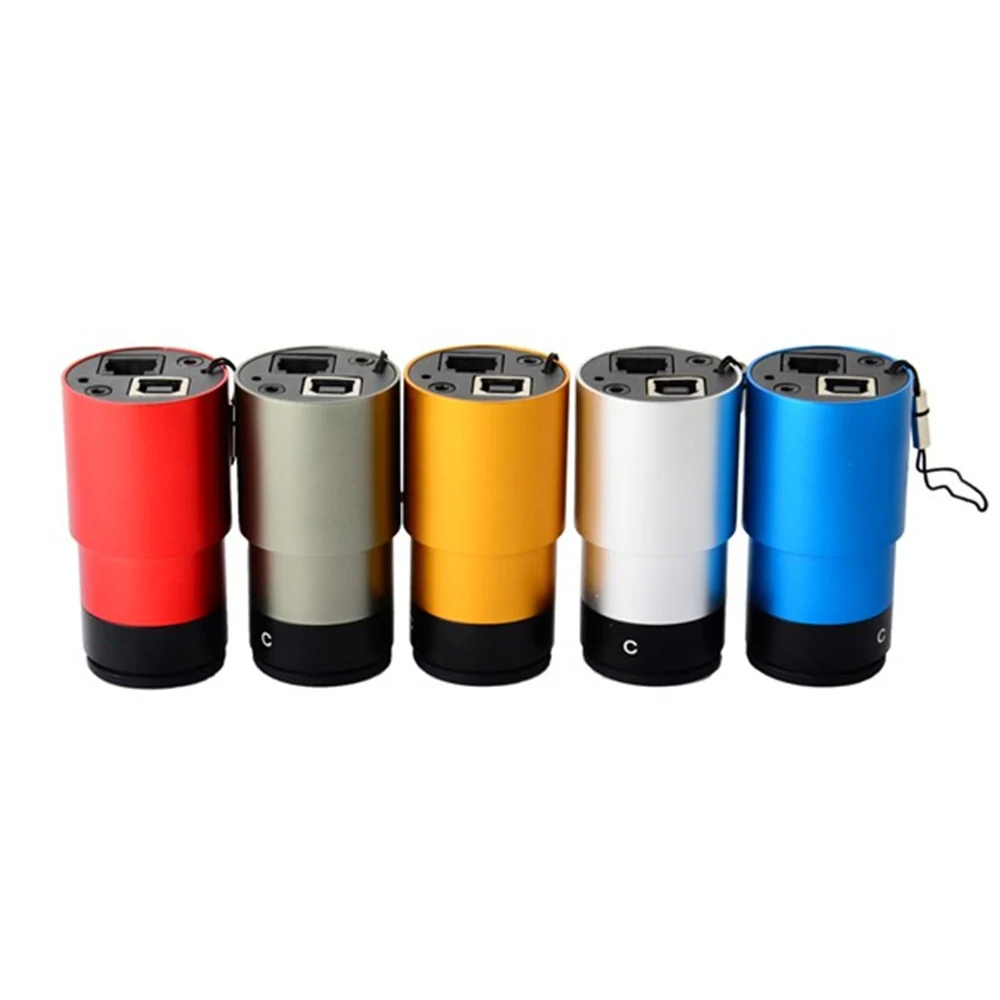
The Astronomy Camera range covers 4 catalogue items. Models in this range include ATR3CMOS M42+2" USB3.0 TE-Cooling CMOS Astronomy Camera; G3M C+1.25" Mount USB3.0 CMOS Guiding Astronomy Camera; G3CMOS M42+1.25" Mount USB3.0 Guiding Astronomy Camera; GPCMOS C+1.25" Mount USB2.0 CMOS Guiding Astronomy Camera. Every item is listed with the specification published for it, so a model can be compared on working distance, magnification, interface and fitment rather than on a description.
Every Astronomy Camera In Stock
وترد جميع البنود الأربعة في هذه الفئة بالكامل.
What Goes Wrong Without the Right Astronomy Camera
- Long-exposure astrophotography is ruined by thermal noise in uncooled sensors
- Manual guiding of a telescope requires constant attention and is error-prone
- Low-light scenes show grainy or underexposed images due to sensor sensitivity limits
- USB2.0 interfaces limit data transfer speed during high-resolution imaging sessions
- Incompatible mounting threads prevent secure attachment to standard telescope focusers
من يشتري من هذه الفئة
- Amateur astronomers doing deep-sky imaging with Newtonian or refractor telescopes
- Planetary imagers capturing high-resolution frames of Jupiter, Saturn and the Moon
- Astrophotography teams using auto-guiding systems to track stars during long exposures
- Educational institutions teaching observational astronomy and telescope operation
لماذا هذه البنود
- Two-stage Peltier cooling reduces sensor temperature, minimizing thermal noise in long exposures
- Sony Exmor, Exmor R and Exmor RS CMOS sensors deliver high sensitivity and low read noise
- USB3.0 interface enables fast data transfer for high-resolution and high-frame-rate imaging
- Built-in ST4 auto guider port allows direct connection to guiding systems without extra adapters
- M42 and 1.25-inch mounting threads match standard telescope focusers and camera adapters
حيث تستخدم
- Capturing a faint nebula with a 300-second exposure where thermal noise would otherwise overwhelm the signal
- Guiding a telescope during a 10-minute exposure using an auto-guider connected via ST4 port
- Imaging Jupiter's cloud bands at high frame rate with a cooled CMOS sensor to reduce noise
- Using a USB3.0 camera to stream live video from a telescope to a laptop for real-time alignment
قبل أن تأمر
- Compare the Astronomy Camera models on the figure that decides the job, not on the headline magnification
- تأكيد البُعد التفاعلي ضد المعدات التي تملكها قبل أن تطلب
- إرسال المهمة ورقم النموذج بحيث يمكن فحص التشكيلة
- طلب تأكيد خطي لأي رقم من العطاءات أو المراجعة يتوقف على
الأسئلة الشائعة
Does the ATR3CMOS have cooling, and how effective is it?
Yes, the ATR3CMOS uses a two-stage Peltier cooling system to reduce sensor temperature, which lowers thermal noise during long exposures.
Can I use the G3CMOS camera for planetary imaging?
Yes, the G3CMOS series uses high-sensitivity CMOS sensors with low noise, making it suitable for high-frame-rate planetary imaging.
What is the difference between USB2.0 and USB3.0 in these astronomy cameras?
USB3.0 offers faster data transfer, allowing higher resolution and frame rates. USB2.0 is slower and limits performance in high-speed imaging.
Do these cameras work with auto-guiding software?
Yes, all models with an ST4 port can connect directly to auto-guiding systems for precise tracking during long exposures.
Are the mounting threads compatible with my telescope?
Yes, the cameras use standard M42 and 1.25-inch threads, which fit most telescope focusers and camera adapters.
Get A Price On Astronomy Camera
أرسلي الأرقام النموذجية التي تفكرين بها أو تصفين المهمة ودعينا نختصرها لكِ