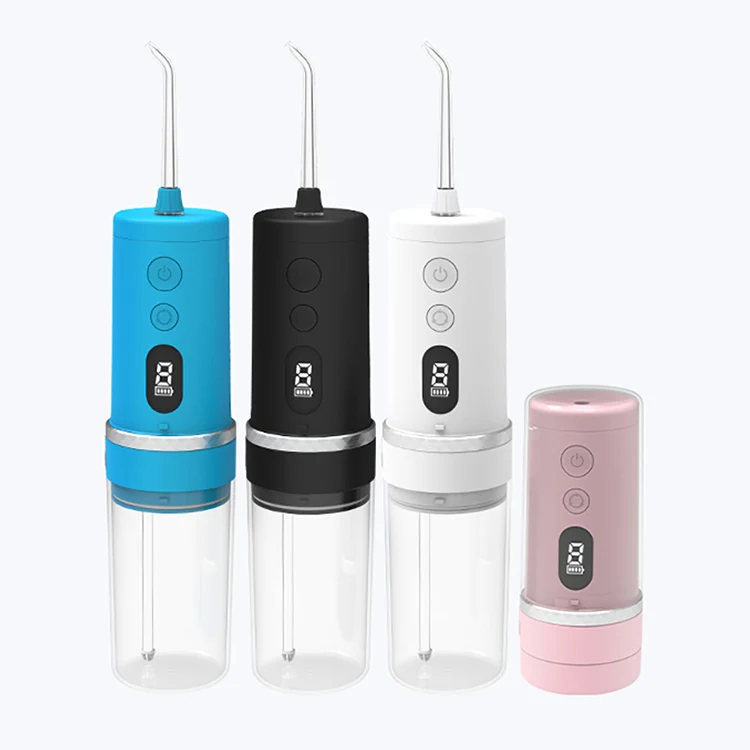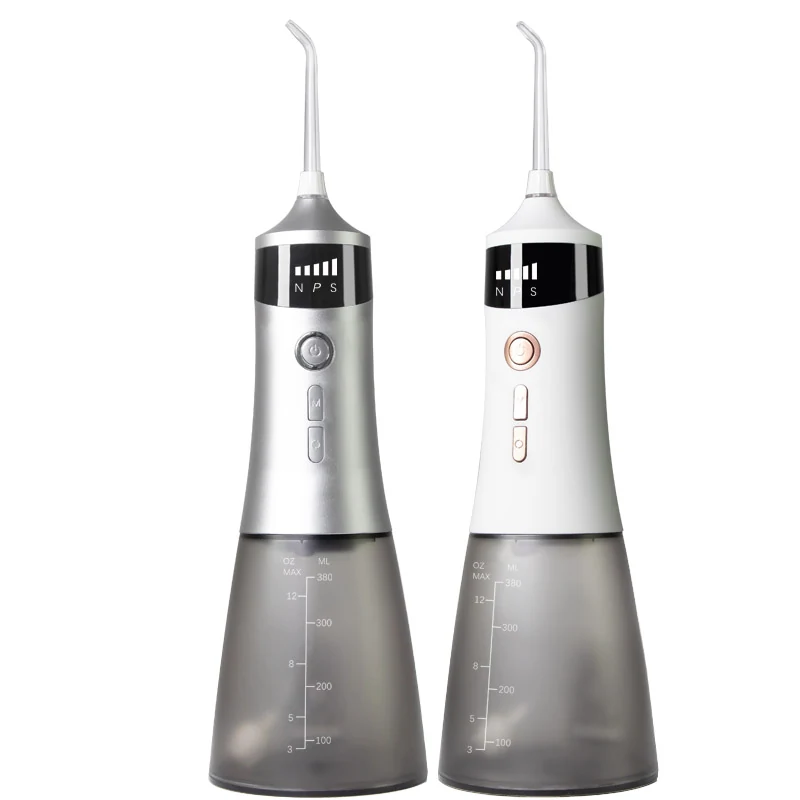

Six platforms, one decision tree. Tank size, endurance, freight cost and mode map, in the order they actually matter.
Start With The Carton Not The Feature List
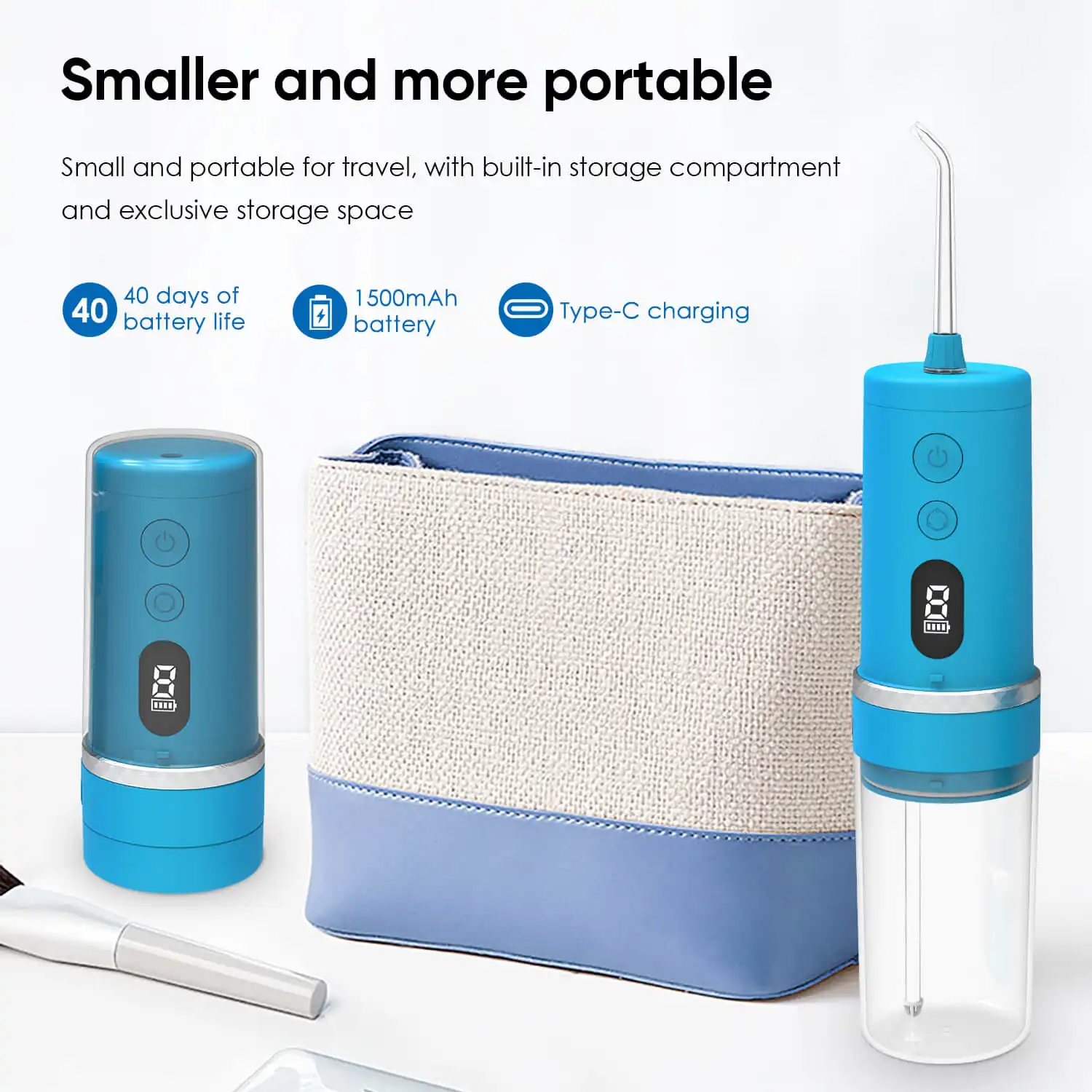
Freight cost per unit decides whether an entry SKU makes margin. LP-235 folds to 142 mm and packs 50 units per box at 18 kg gross. The full-size platforms pack 25 per box at 10.5 to 13 kg. Work out your landed cost from those numbers before you compare features.
Portable Oral Irrigator LP-235 specifications →
Then Pick The Tank Size
180 ml is a travel tank and will need a refill mid-session. 260 to 335 ml covers a full mouth for most users. 380 ml adds margin for shared use. 800 ml is a desktop family station. Tank size is a tooling change, so it is the one decision you cannot defer.
LP251 Cordless Portable UVC Oral Irrigator specifications →
Endurance Decides Your Review Score
Returns and one-star reviews cluster around units that need weekly charging. The platforms here run 30 days (LP-235), 40 days (LP-221, LP251) and 60 days (LP-211). Pick the number you are willing to print on the box.
Portable Oral Irrigator LP-211 specifications →
Mode Maps Are Firmware Not Hardware
Mode count and pressure levels are changed during sample proofing without touching tooling. If your market wants a child mode, a massage mode or nine gears instead of four, say so at scheme design stage and it costs you nothing extra.
Cordless Oral Irrigator LP-241 specifications →
Add UV Only If You Will Explain It
UV modules add cost. They are worth it when the sterilisation applies to the jet tips, which is the part that enters the mouth, and when your packaging explains that clearly. LP251 and LP-221 carry UV; LP-233 puts it in a nozzle cabinet.