Умрите штамповкой, литьем, фото травлением, офсетной печатью, шелковым экраном и тремя эмалевыми маршрутами, и для чего каждый из них на самом деле хорош.
A buyer usually arrives with a shape and a logo, not with a process. That is the right way round: line weight, relief depth, physical size and the use the piece will get are what decide how it should be made.
Eight processes cover almost everything in a promotional metal range. Below is what each one does and where it stops being the right answer.
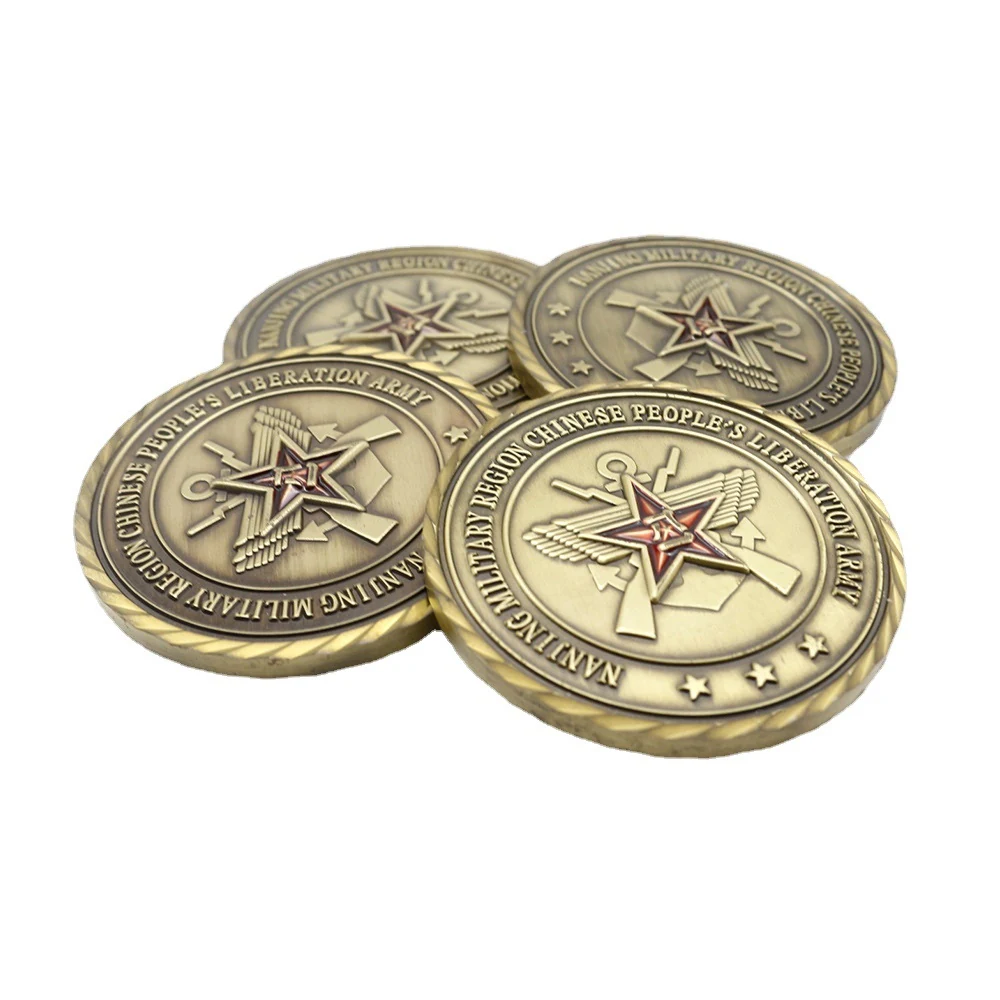
A die presses the design into iron, bronze or aluminium, giving a clearly raised and recessed surface. It is the cheapest route for flat pieces and it holds a crisp line.
It stops working when the design needs real depth or an undercut, which is where casting takes over.
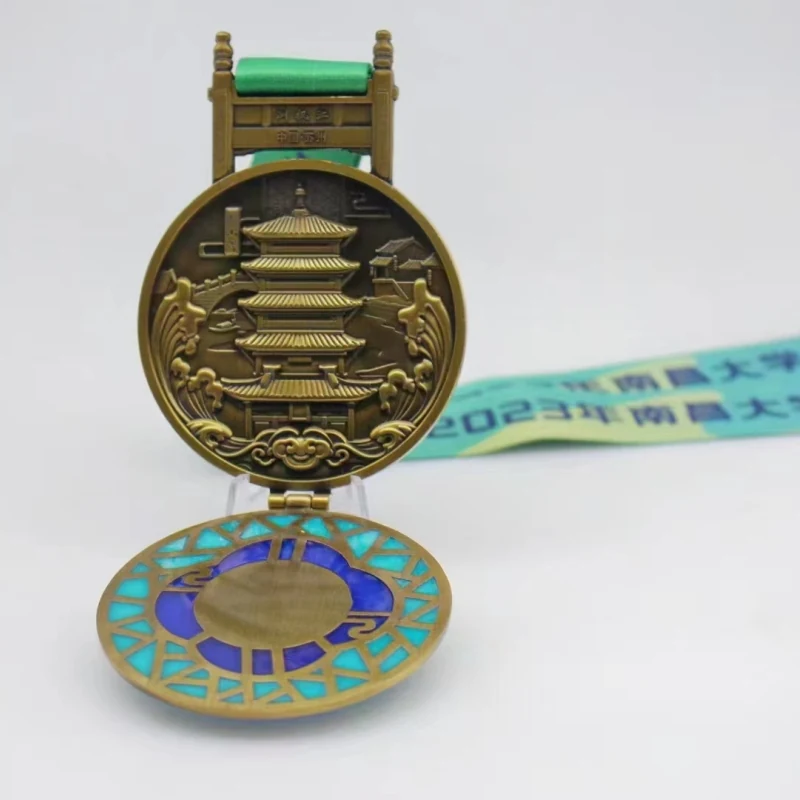
Molten zinc alloy is forced into a mould. It suits 3D shapes, larger sizes and thicker bodies, and it is the route for anything over about 50 mm where stamping would flatten the relief.
It is also the only practical way to produce a shaped outline with cut-out areas.
Bronze is etched chemically rather than pressed. The result is thinner, with a shallow surface and wider metal lines.
It suits fine flat artwork and pieces that need to be thin, such as bookmarks and slim tags.
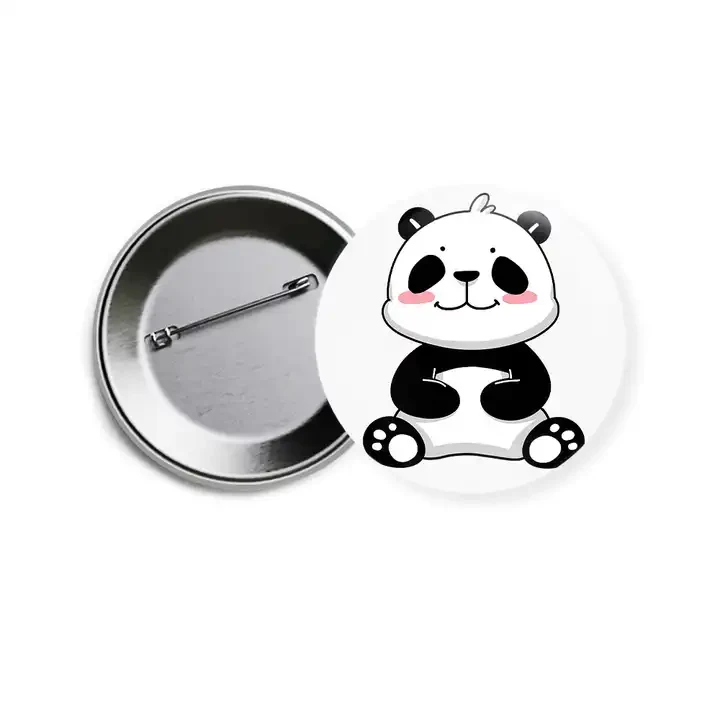
Offset printing on copper, stainless iron or aluminium reproduces four-colour artwork including gradients. Silk screen printing lays down one colour at a time with overprinting, which gives clean solid colours.
Printing is the answer for photographs and complex logos. It is a surface treatment, so it does not have the durability of recessed enamel.
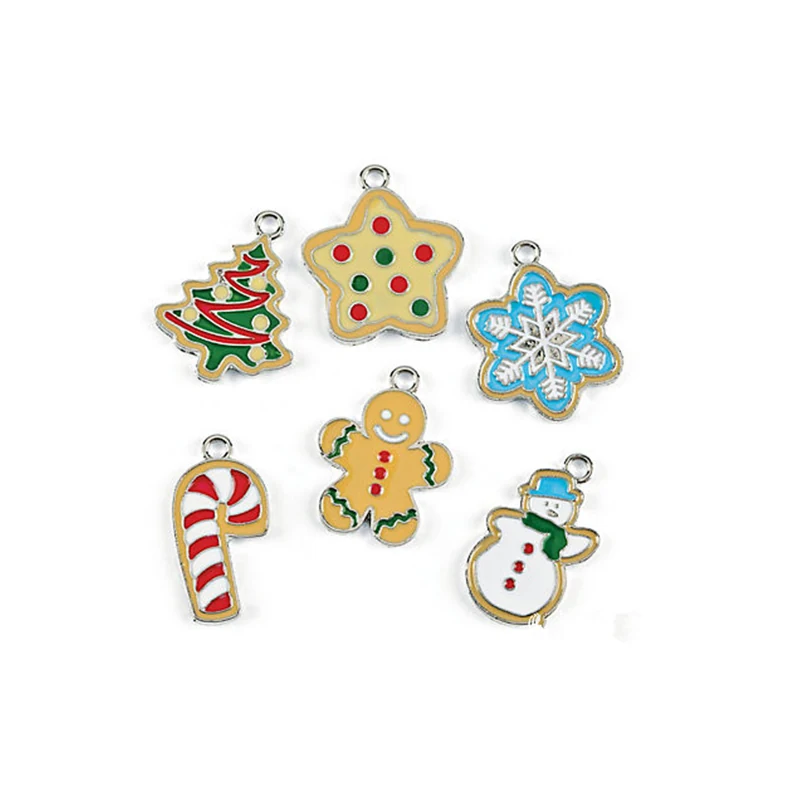
Cloisonne resists heat, never fades and is the collectible option. Soft enamel gives a textured recessed surface in iron, brass or zinc alloy. Imitation hard enamel sits between them, with paint and metal lines finishing flat in brass or zinc alloy.
Enamel is a finishing process rather than a forming one: the piece is stamped or cast first, then filled.
| Cloisonne / hard enamel | Высокая термостойкость, никогда не угасает, высокая коллекционная ценность. |
|---|---|
| Imitation hard enamel | Brass or zinc alloy. Surface is fine, paint and metal lines are flat. |
| Soft enamel | Iron, brass, zinc alloy. Obvious bump surface. Adding epoxy makes it flat. |
| Offset printed | Copper, stainless iron or aluminium. Four-colour print, gradient effect. |
| Silk screen printed | One colour at a time with overprinting, clear solid colours. |
| Photo etched | Bronze. Thinner, shallow surface, wider metal lines. |
| Die stamped | Железо, бронза или алюминий. Явно поднятая и утопленная поверхность. |
| Die casted | Zinc alloy. Suited to 3D effect, large sizes and thicker bodies. |
Die casting in zinc alloy. It is used for pieces over about 50 mm and for anything modelled in the round.
Yes. A piece is commonly cast or stamped first and then enamelled or printed.
Die stamping in iron with soft enamel.
Offset printing. Enamel cannot reproduce a photograph or a gradient.
No. Send the artwork and the intended size, and the process is recommended from that.
Отправьте произведение искусства и количество. Мы расскажем вам, какой процесс подходит, и первый образец в любом случае бесплатен.