
Microscópio Metalúrgico Invertido
Microscópios concebidos para examinar superfícies metálicas polidas, secções finas e materiais opacos a partir de baixo, com objetivos posicionados abaixo da amostra e iluminação dirigida para cima através da amostra.
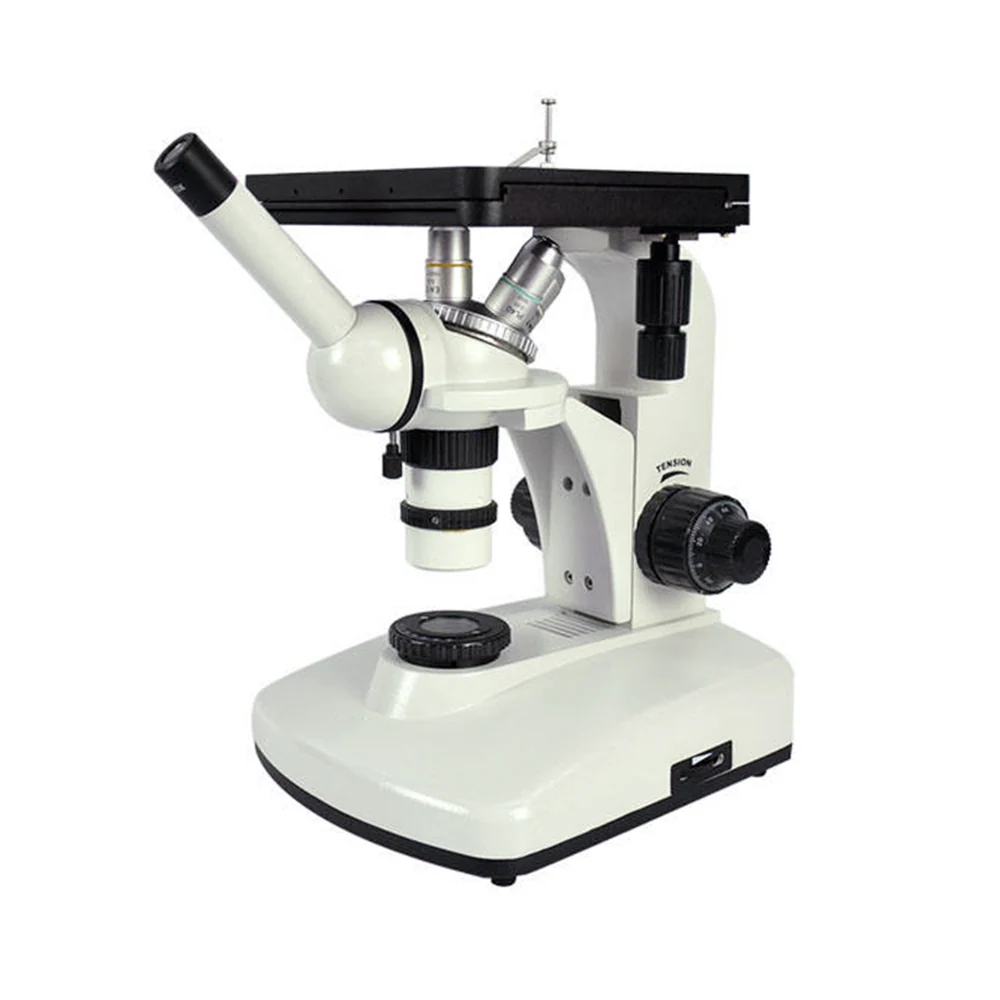
An inverted metallurgical microscope places the objective lens below the sample and directs light upward through the specimen. This setup is ideal for inspecting polished metal surfaces, thin sections, castings, and opaque materials where the top surface is not transparent. The range includes models with magnifications from 100X to 1250X, using a combination of wide-field eyepieces, DIN achromatic objectives, and infinity-corrected plan-scope lenses. Illumination options include bright field and dark field configurations, with working distances ranging from 0.85mm to 21.00mm depending on objective.
Every Inverted Metallurgical Microscope In Stock
All 10 items in this category, listed in full.
Microscópio Metalúrgico Invertido XIM900
Ver Detalhes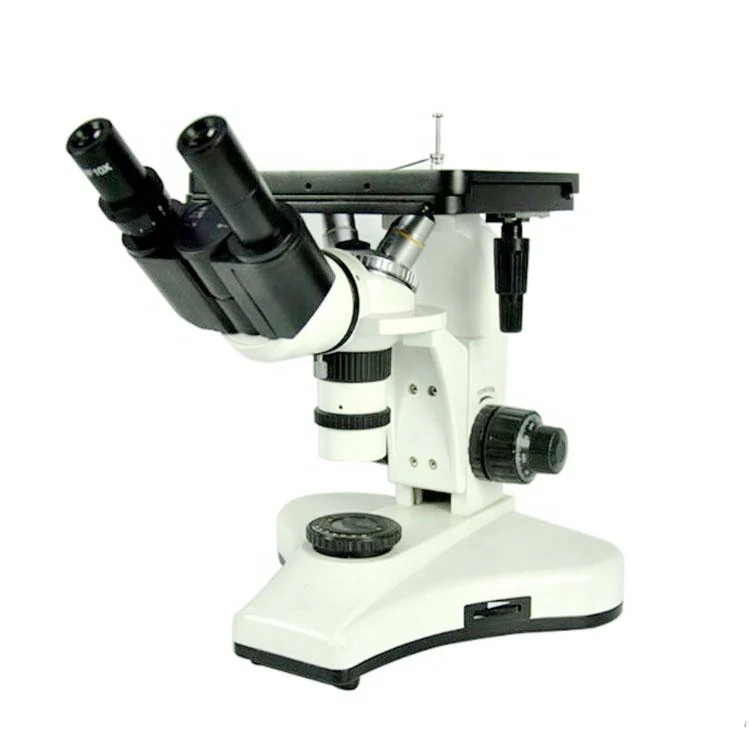
Microscópio Metalúrgico Invertido XIM800
Ver Detalhes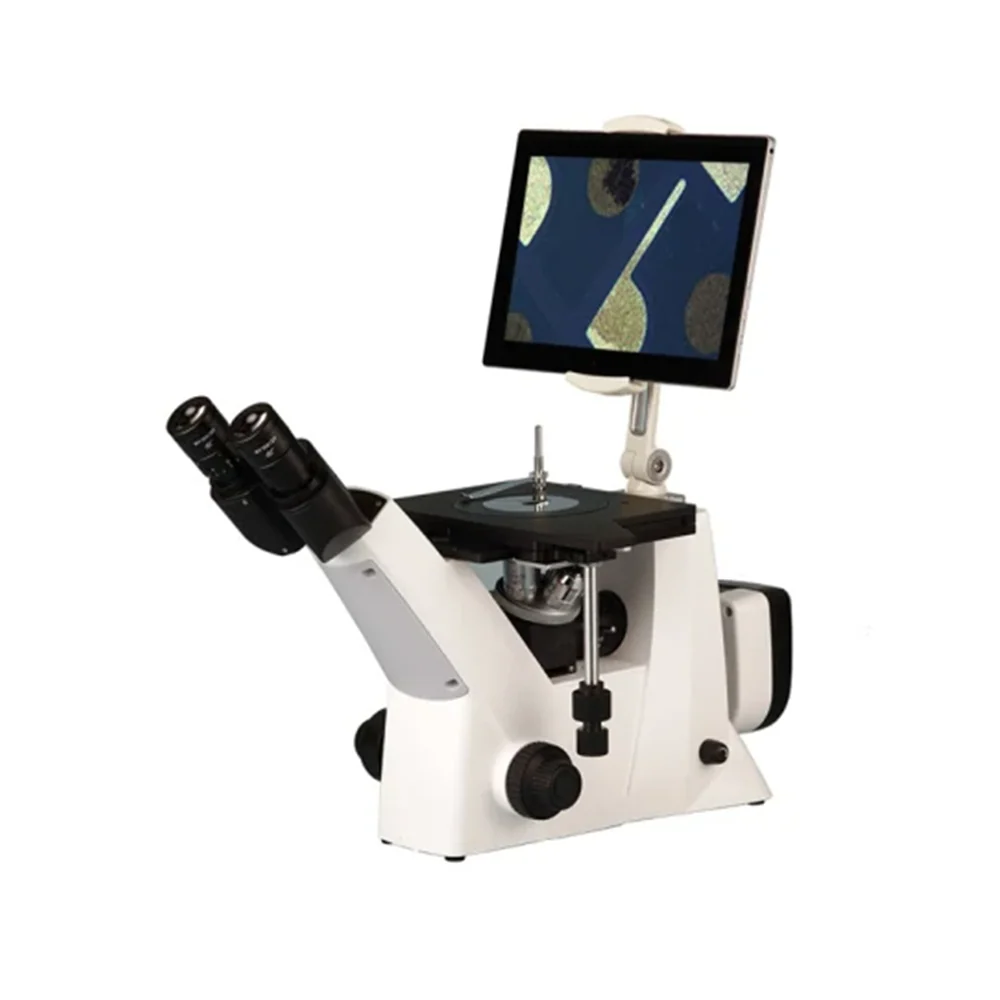
Microscópio Metalúrgico Invertido XIM700
Ver Detalhes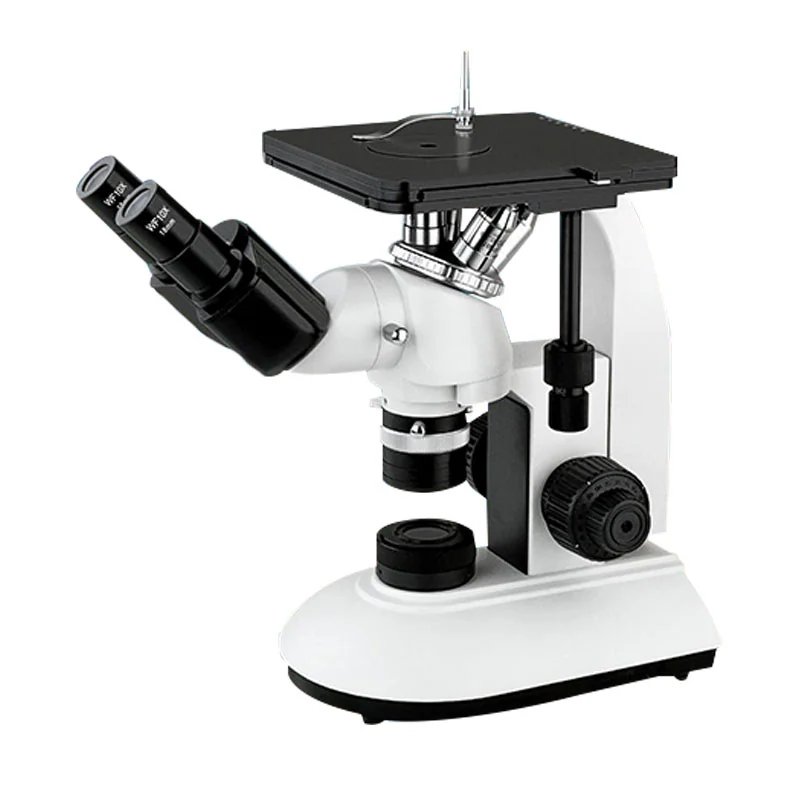
Microscópio Metalúrgico Invertido XIM600
Ver Detalhes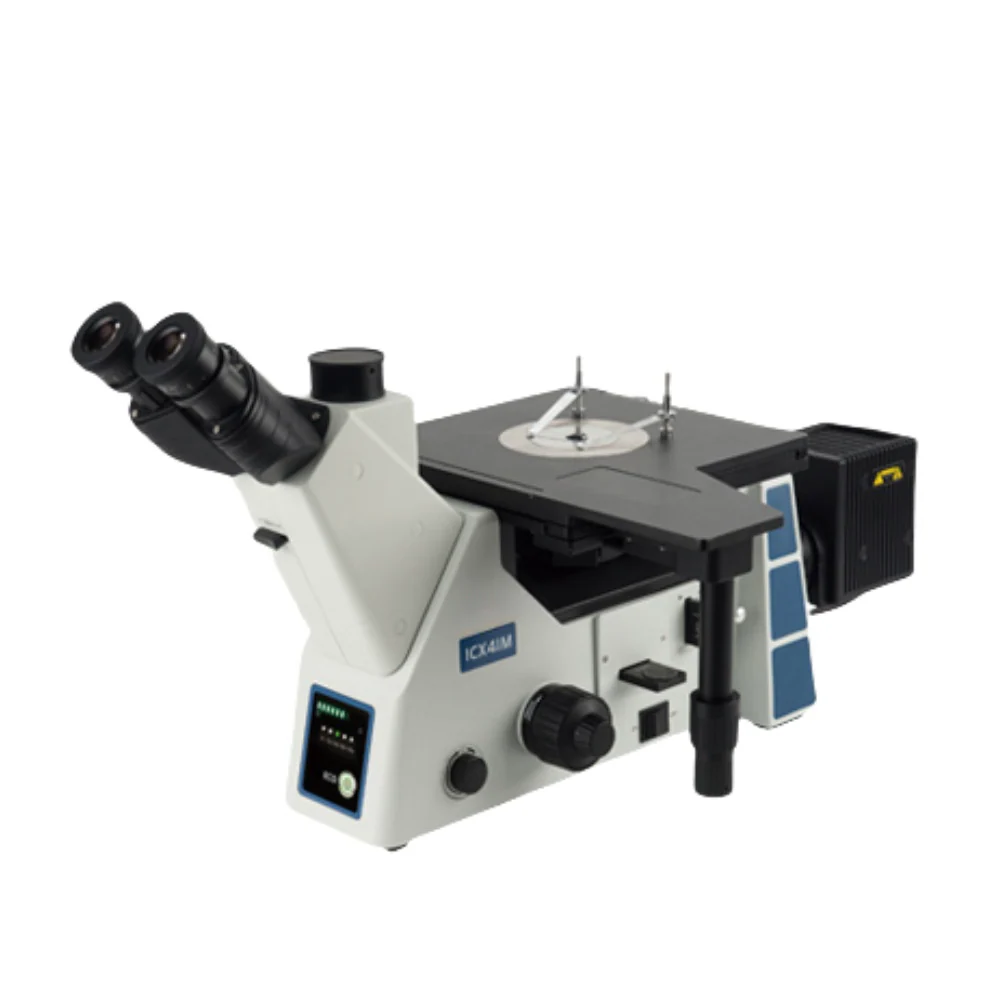
Microscópio Metalúrgico Invertido ICX41M
Ver Detalhes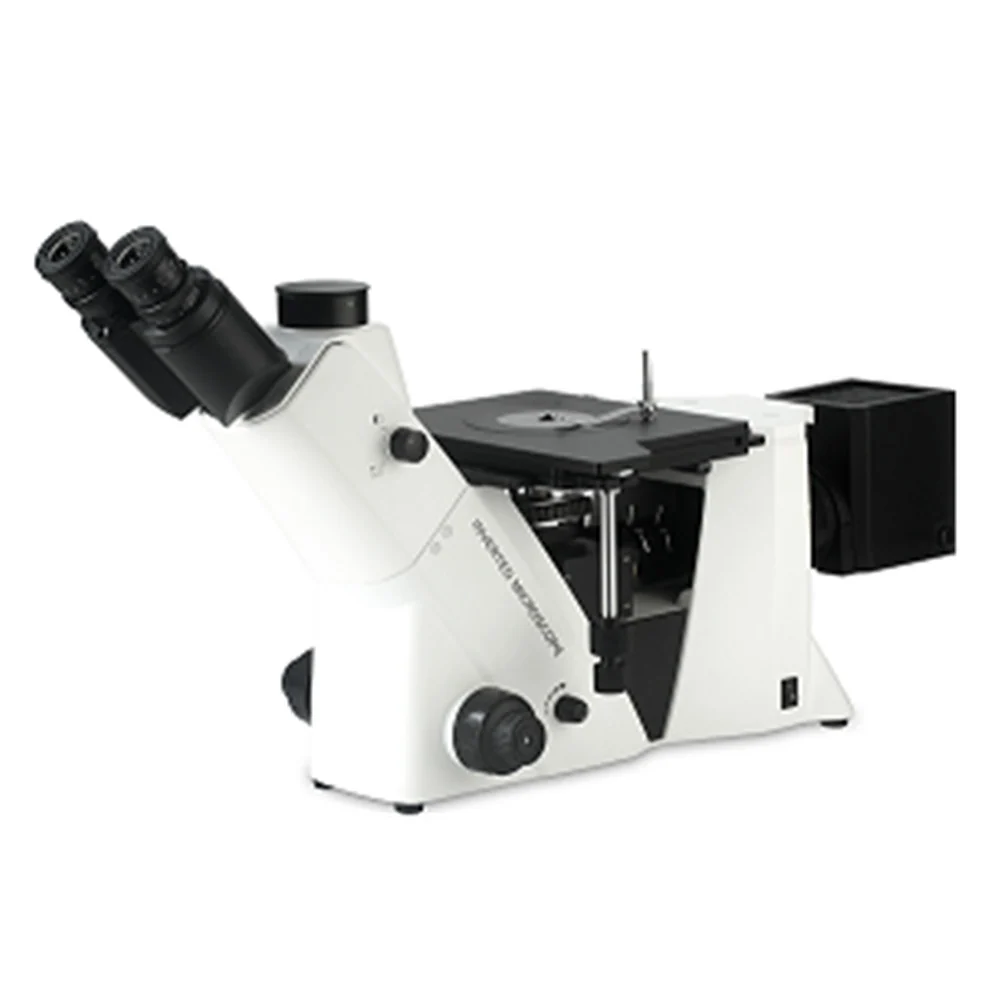
Microscópio Metalúrgico Invertido XIM500
Ver Detalhes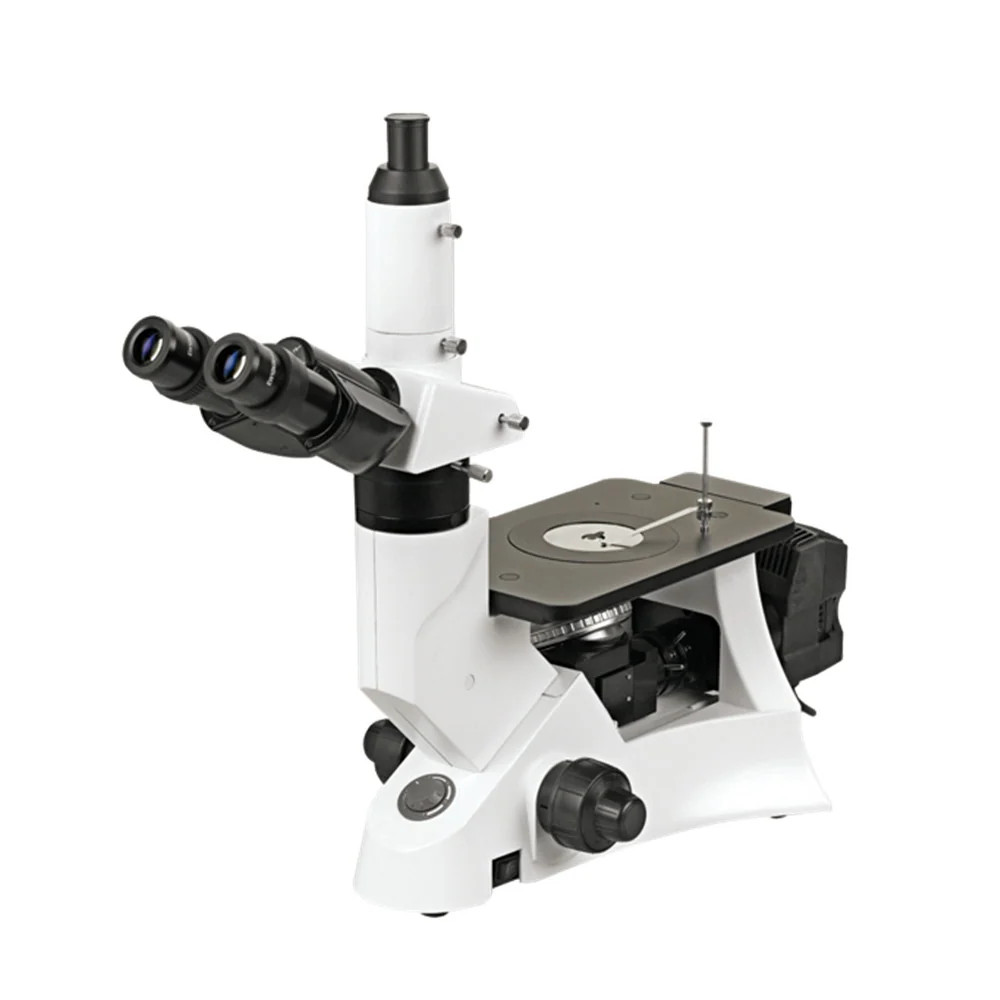
Microscópio Metalúrgico Invertido XIM400
Ver Detalhes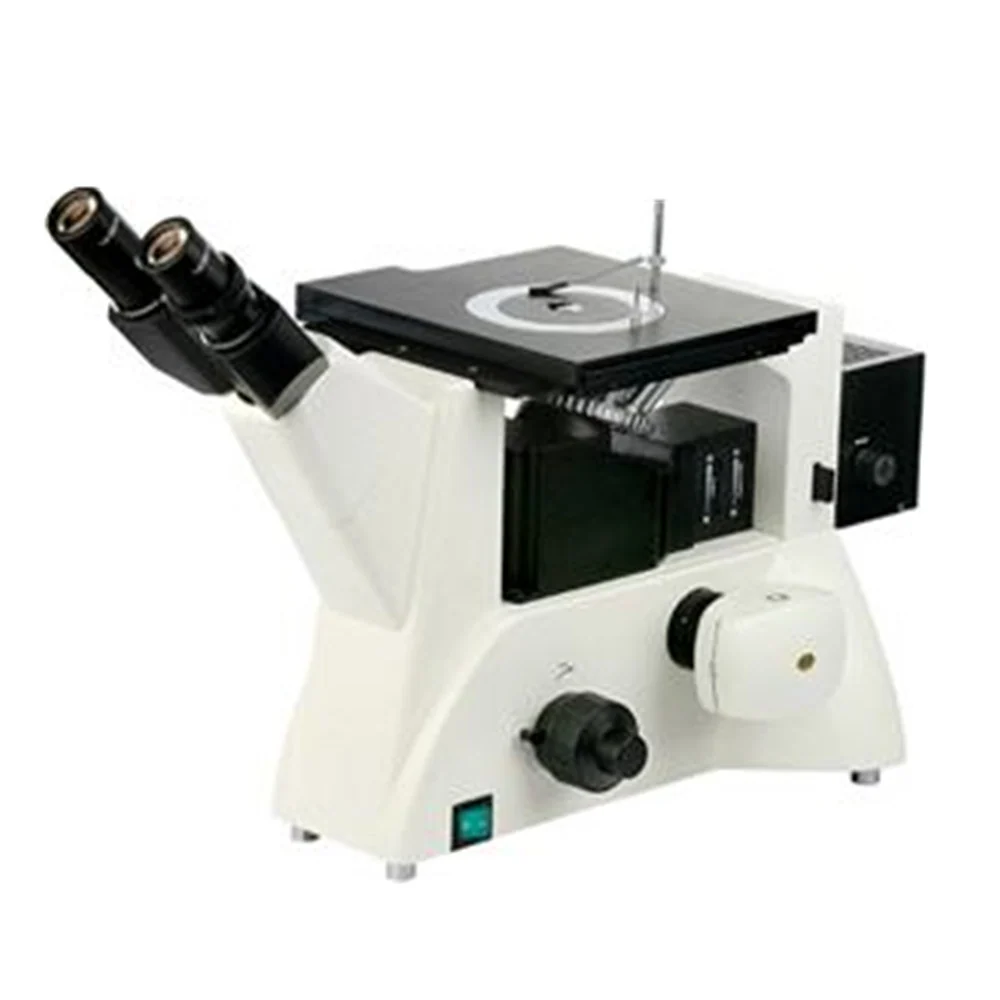
Microscópio Metalúrgico Invertido XIM300
Ver Detalhes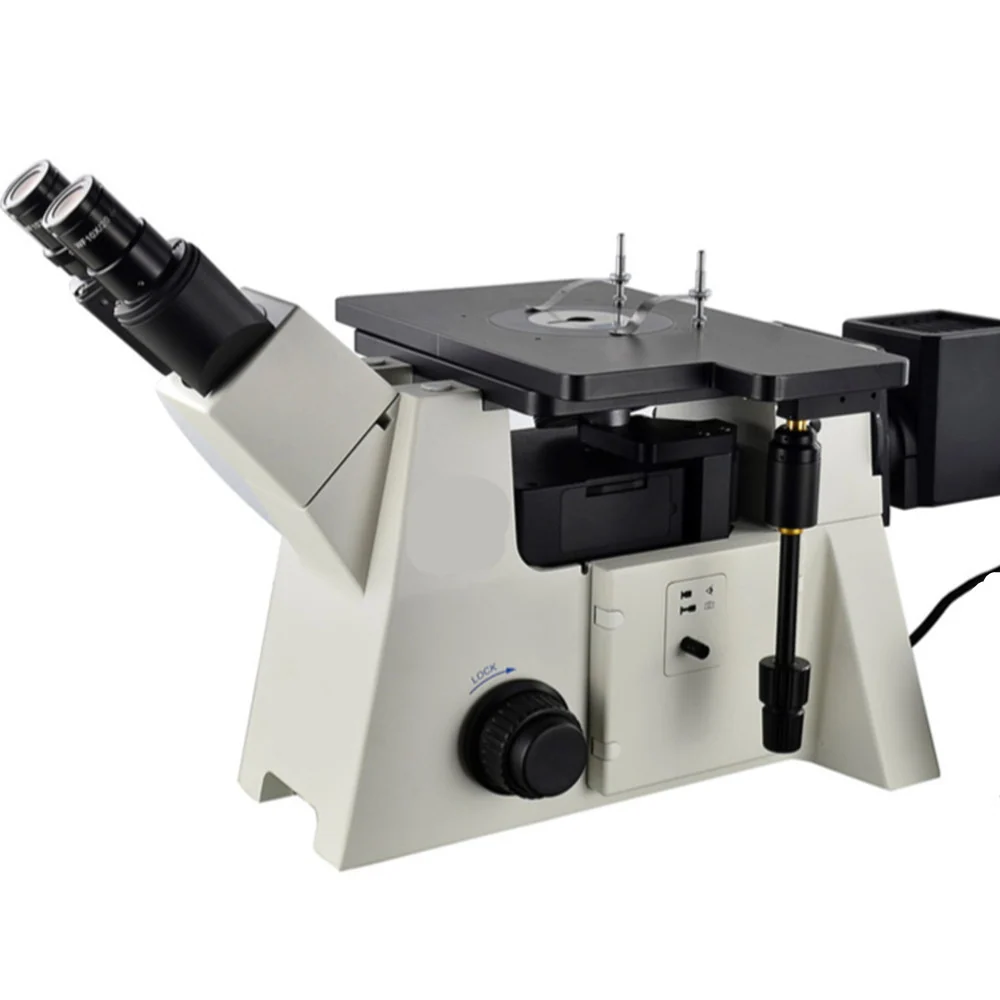
Microscópio Metalúrgico Invertido XIM200
Ver Detalhes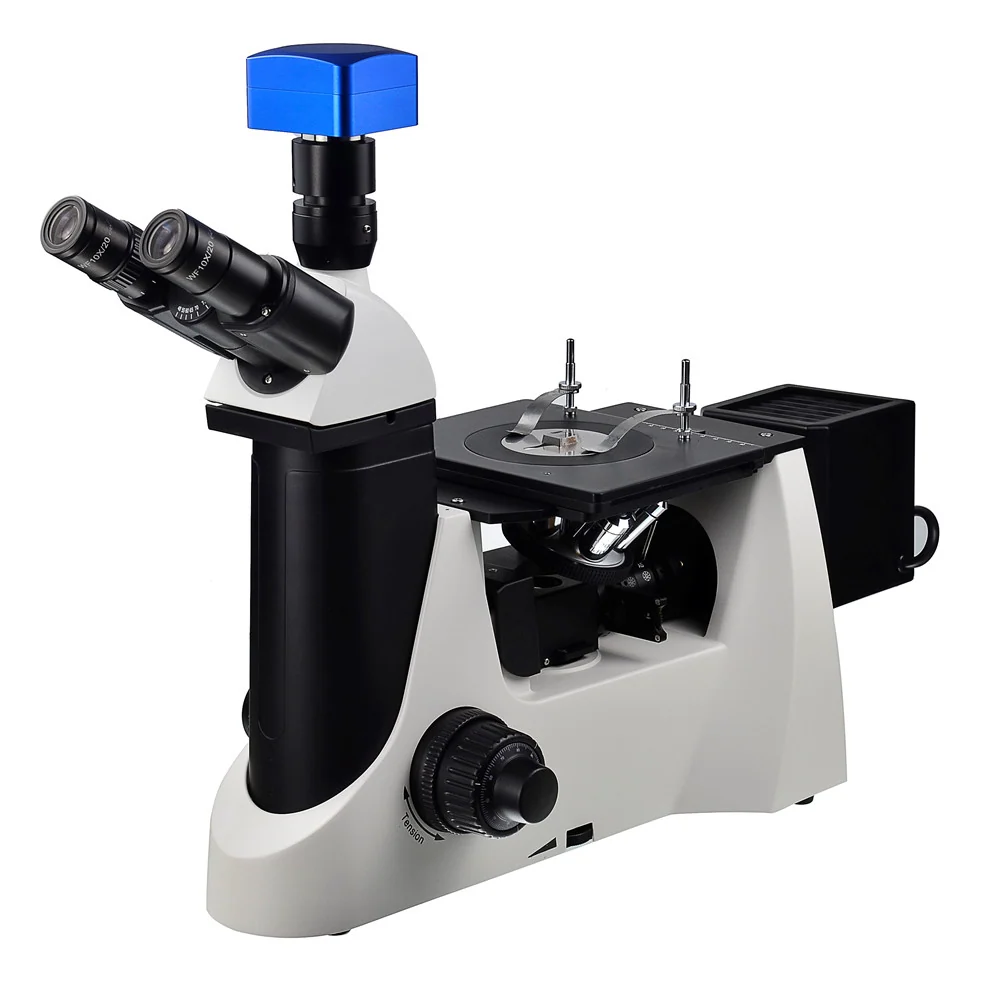
Microscópio Metalúrgico Invertido XIM100
Ver DetalhesWhat Goes Wrong Without the Right Inverted Metallurgical Microscope
- Standard upright microscopes cannot inspect thick or opaque metal samples without cutting them thin
- Surface defects like cracks, inclusions or grain boundaries are hard to see under flat lighting
- Standard objectives lack sufficient working distance for large or irregularly shaped metal parts
- Poor contrast in polished metal surfaces makes it difficult to distinguish grain structure or micro-features
Quem Compra Desta Categoria
- Metallurgy labs inspecting castings, heat-treated parts and alloy structures
- Foundry quality control checking for porosity and micro-voids in metal samples
- Material science labs analyzing grain size, phase distribution and micro-hardness
- Engineering departments evaluating surface finish and machining defects on metal components
- Research labs studying metal fatigue, corrosion and wear patterns
Por Que Estes Itens
- Inverted design allows inspection of thick or irregular metal samples without cutting
- Infinity-corrected LWD plan-scope objectives deliver sharp, flat images across the field
- Working distances up to 21.00mm accommodate large or uneven metal surfaces
- Bright field and dark field illumination options enhance contrast for grain boundaries and defects
- Adjustable eyepieces with reticules allow precise measurement of micro-features at 0.01mm scale
Onde Estes São Usados
- Inspecting a heat-treated steel gear for martensite formation and grain boundary changes
- Checking a cast aluminum cylinder for porosity and shrinkage voids at 200X magnification
- Measuring grain size in a nickel alloy sample using a 0.01mm micro-ruler in the eyepiece
- Observing surface fatigue cracks in a turbine blade under dark field illumination
- Documenting microstructure changes in a metal sample before and after annealing
Antes de pedir
- Select the model based on required magnification range and working distance for your sample size
- Confirm whether bright field or dark field illumination is needed for your inspection task
- Ensure the sample stage can support the weight and size of your metal specimen
- Check the eyepiece tube diameter and mounting interface to match your existing camera or recording system
Aplicações e guias relacionados
Setores
Artigos técnicos
Perguntas frequentes
Can I inspect thick metal parts without cutting them?
Yes. The inverted design allows you to place the sample on the stage and view it from below, so thick or irregular parts do not need to be cut thin.
What is the working distance for the 100X objective?
The 100X objective has a working distance of 2.1mm, suitable for high-magnification inspection of polished metal surfaces.
Do these microscopes support dark field illumination?
Yes. Some models include LWD Plan achromatic objectives designed for both bright field and dark field illumination.
Posso usar uma câmera digital com este microscópio?
Yes. The microscope supports trinocular heads and camera adapters. Ensure the camera interface matches the eyepiece tube diameter.
What magnification range is available?
Magnification ranges from 100X to 1250X, depending on the combination of eyepiece and objective used.
Get A Price On Inverted Metallurgical Microscope
Envie os números do modelo que você está considerando, ou descreva a tarefa e deixe-nos listá-los para você.