
Espelho de Astronomia
Os espelhos de astronomia são componentes ópticos de precisão para telescópios newtonianos e refletores, fornecidos como espelhos primários e secundários com superfícies parabólicas, esféricas ou elípticas para montagem de telescópios comerciais e DIY.
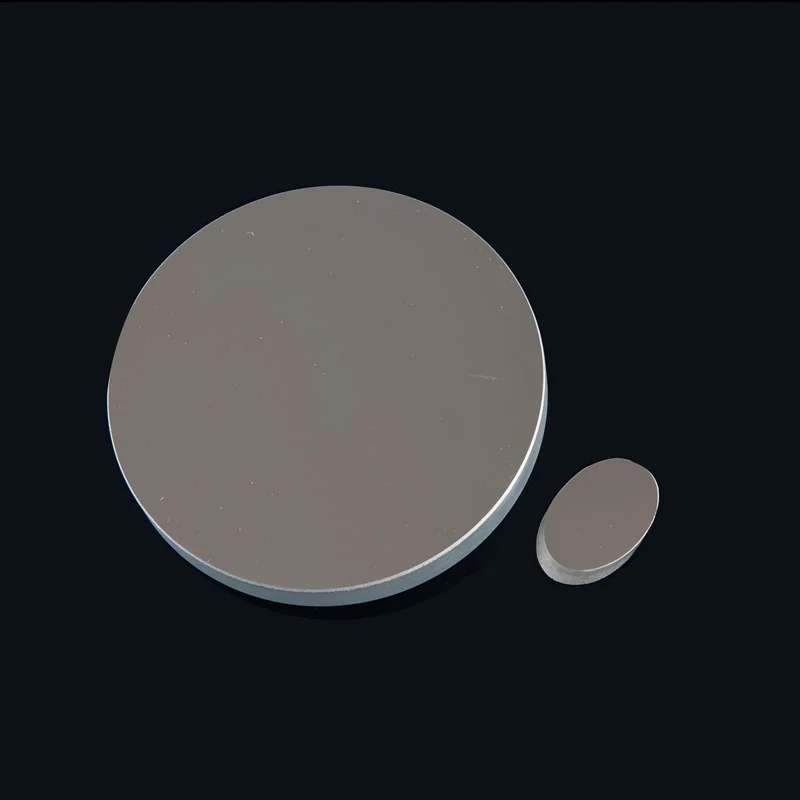
The Astronomy Mirror range covers 12 catalogue items. Models in this range include D305F1200 305mm Telescope Main Mirror Parabolic Primary Mirror Large Diameter; D203F1600 Newton Reflector Objective Primary Mirror Astronomical Telescope; D150F750 Parabolic Reflector Spherical Primary Mirror for Astronomical Telescope; D130F650 Newton Reflection Primary Mirror for DIY Astronomical Telescope. Every item is listed with the specification published for it, so a model can be compared on working distance, magnification, interface and fitment rather than on a description.
Every Astronomy Mirror In Stock
Todos os 12 itens desta categoria, listados na íntegra.
D305F1200 305mm telescópio espelho principal espelho primário parabólico grande diâmetro
Ver Detalhes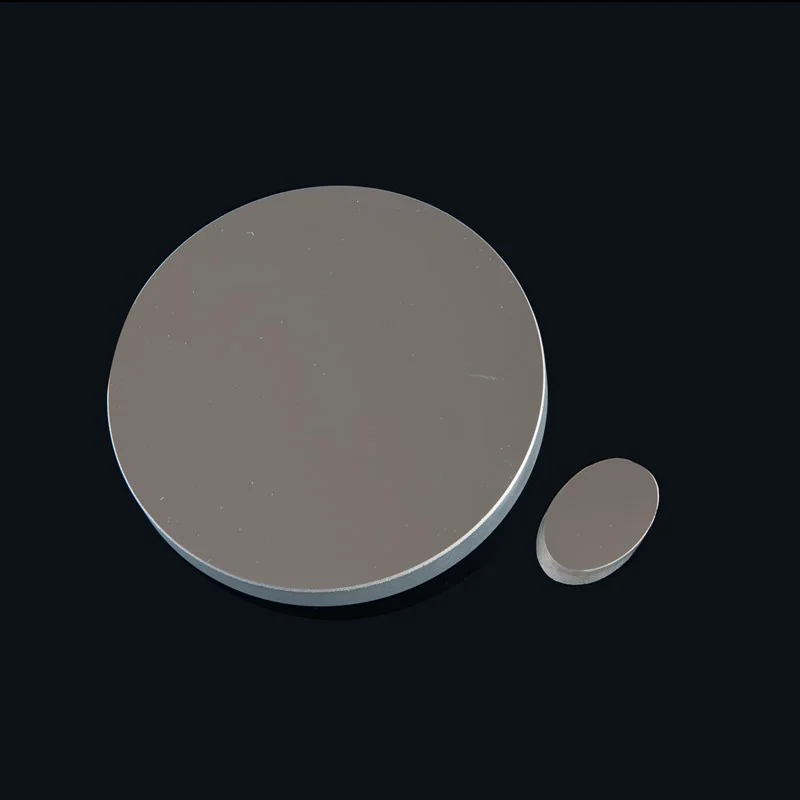
D203F1600 Newton Reflector Objetivo Espelho Primário Telescópio Astronômico
Ver Detalhes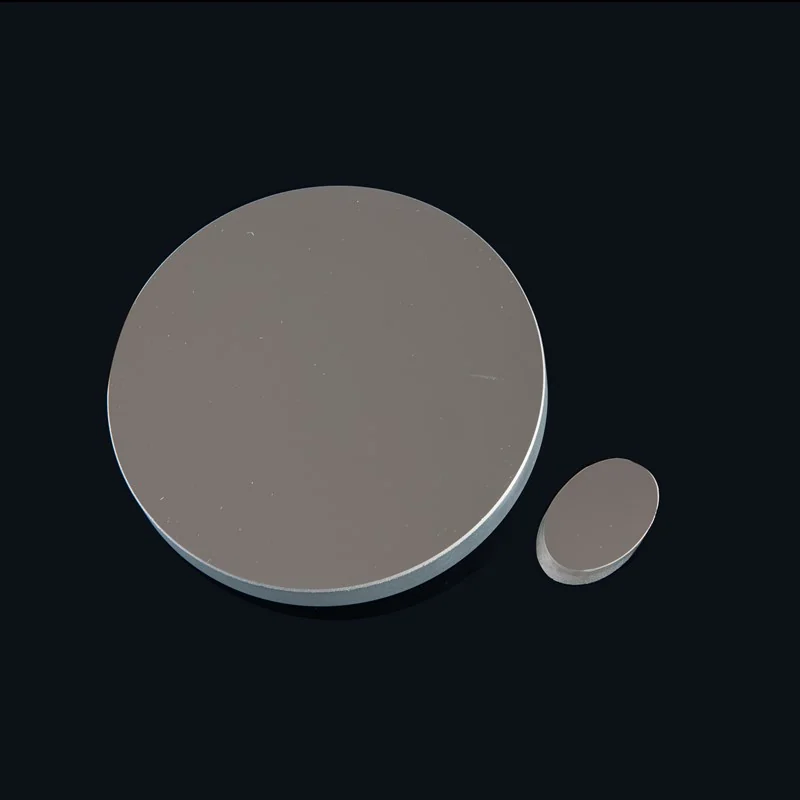
Espelho primário esférico do reflector parabólico D150F750 para telescópio astronómico
Ver Detalhes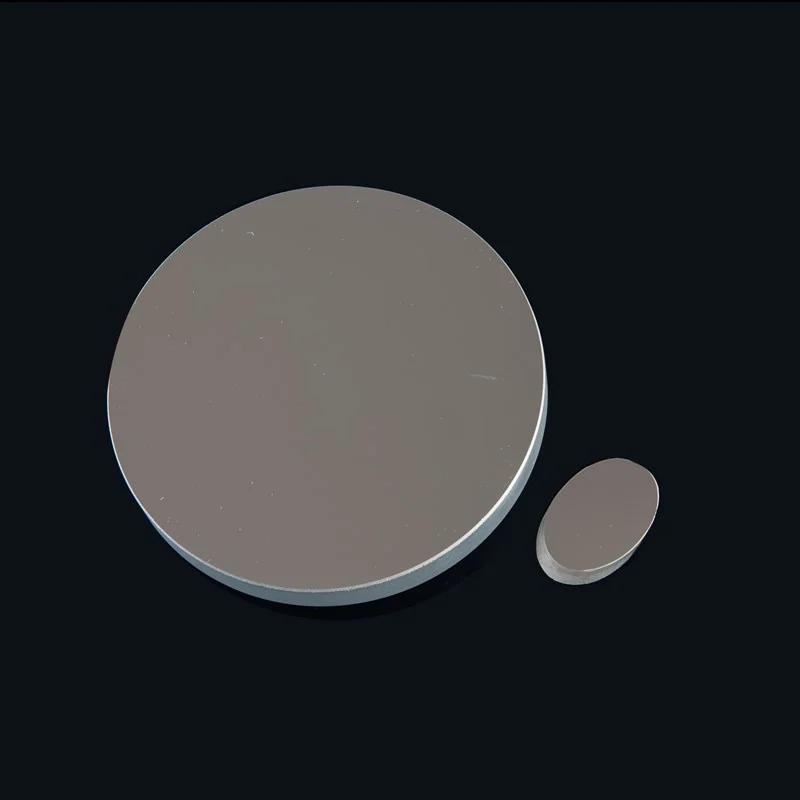
Espelho Primário de Reflexão Newton D130F650 para Telescópio Astronômico DIY
Ver Detalhes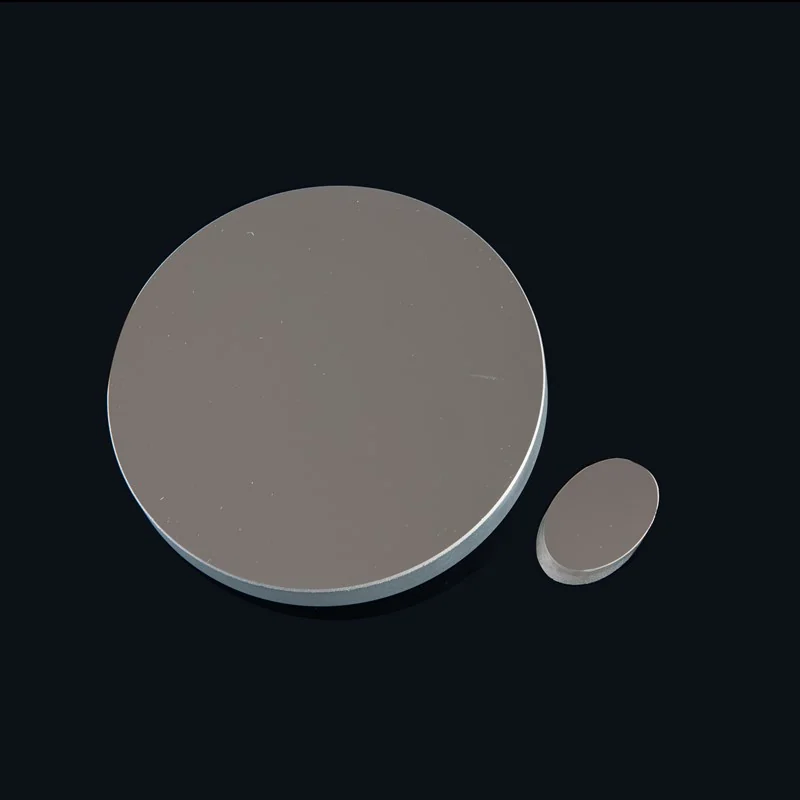
Espelho Primário de Reflexão de Newton D127F900 para Telescópio Astronômico DIY
Ver Detalhes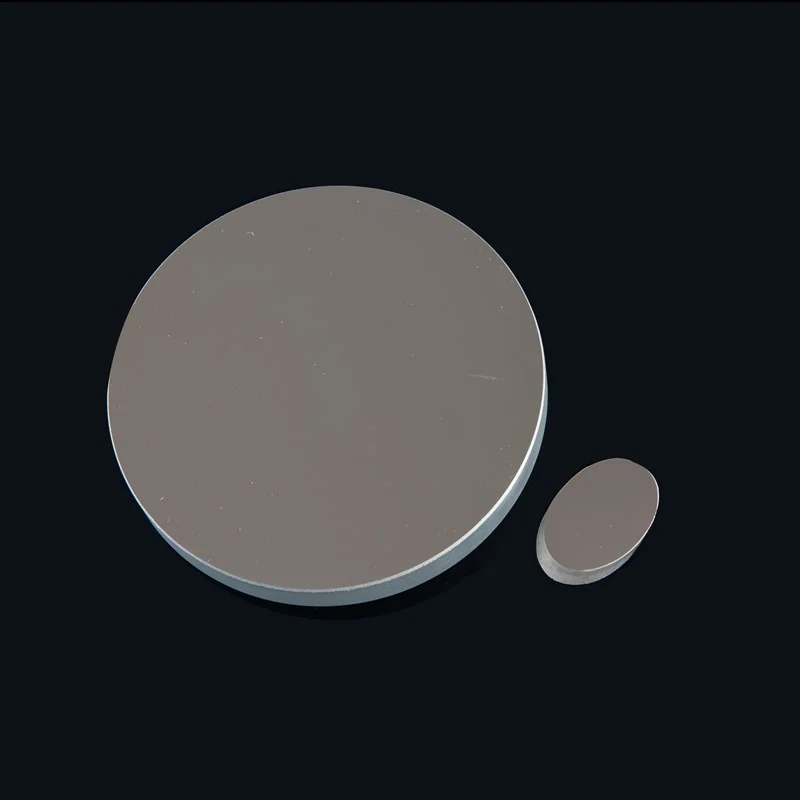
D76F700 Newton Reflector Objetivo Espelho primário Telescópio Astronômico
Ver Detalhes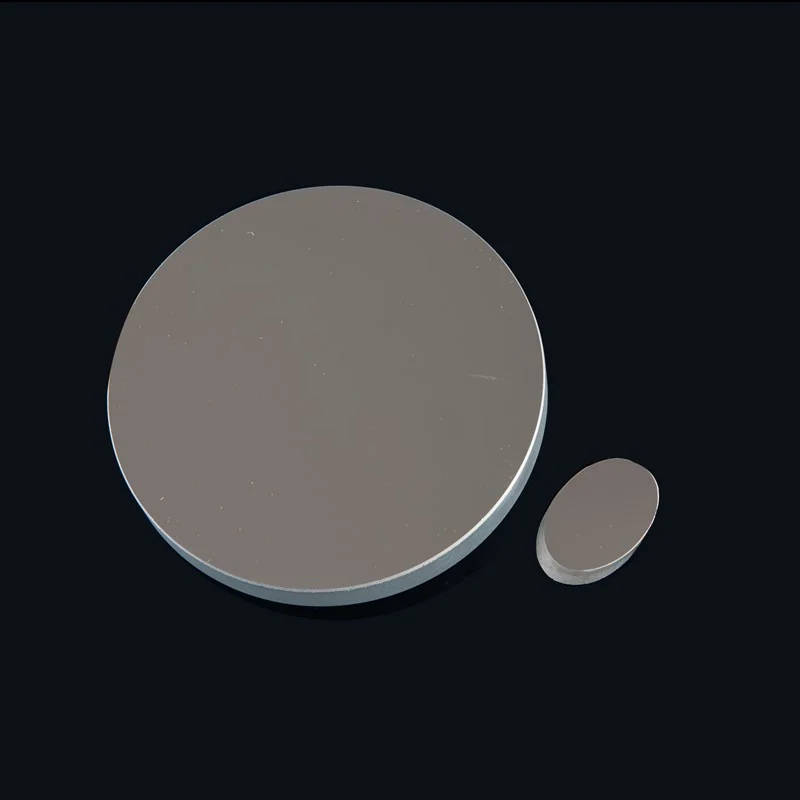
Espelho primário de reflexão do reflector do telescópio astronómico D76F300
Ver Detalhes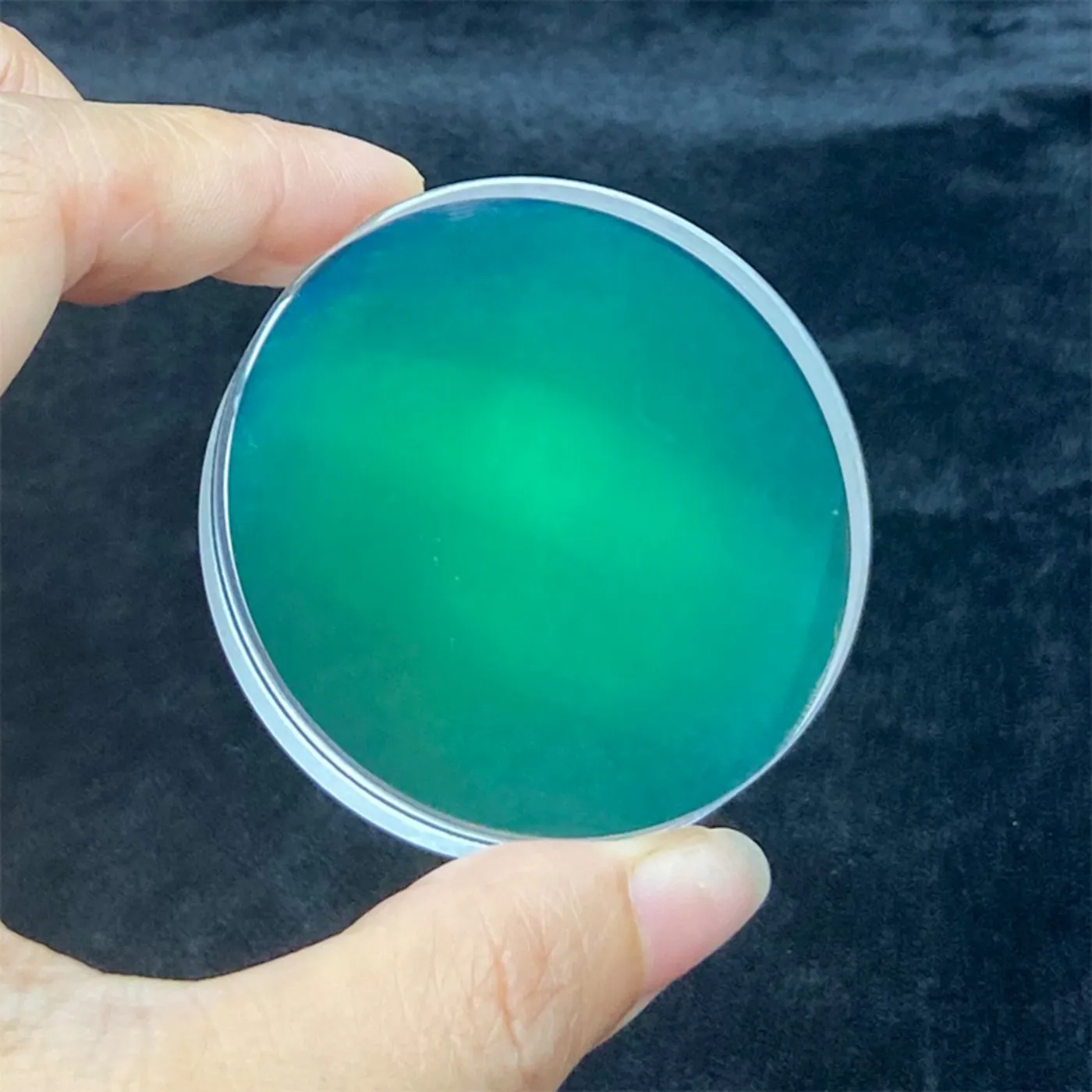
Diâmetro D51F219 51mm Telescópio de Filme Verde Refrativo Objetivo Acromático
Ver Detalhes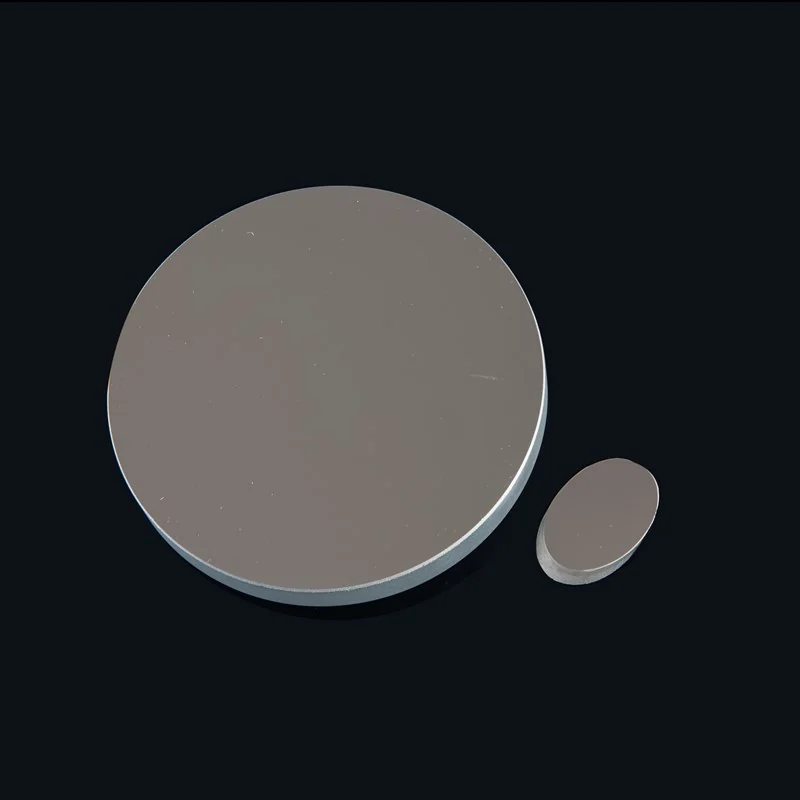
Telescópio D203F750 Objetivo do espelho primário Grupo de lentes Comprimento focal 750mm
Ver Detalhes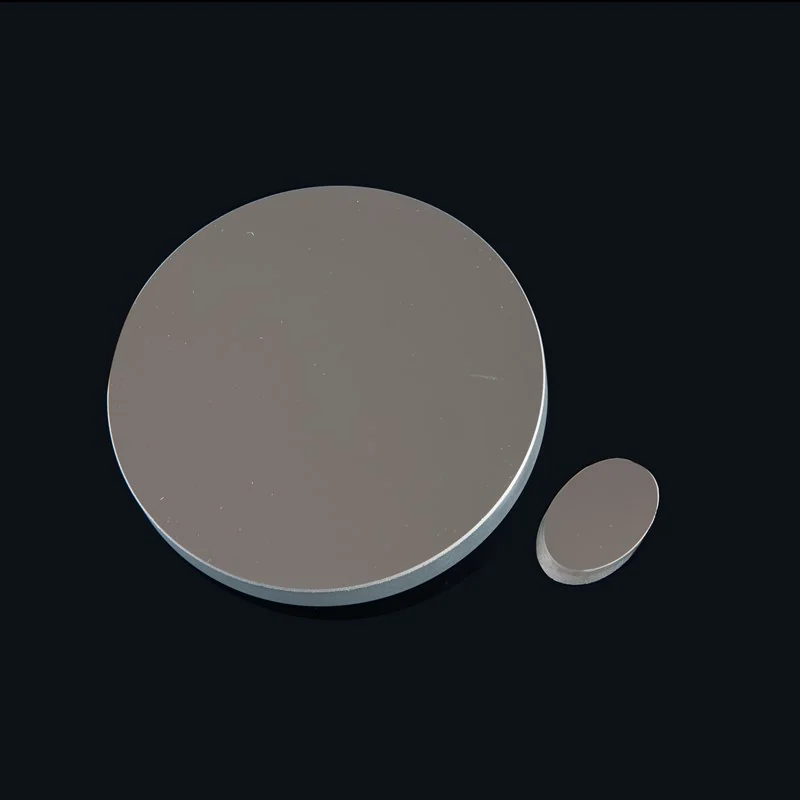
D114F900 Telescópio Newtoniano Reflexão astronômica da lente objetiva
Ver Detalhes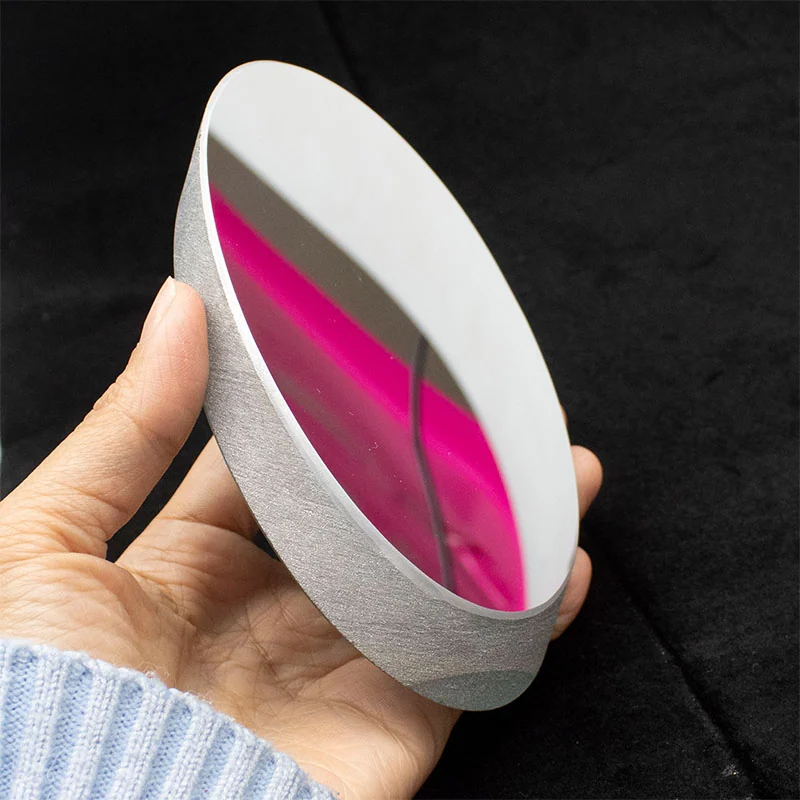
Espelho Secundário do Telescópio Astronômico 20/25/28/30/35/40/42/45/ 50/54/60/70/80/90mm
Ver Detalhes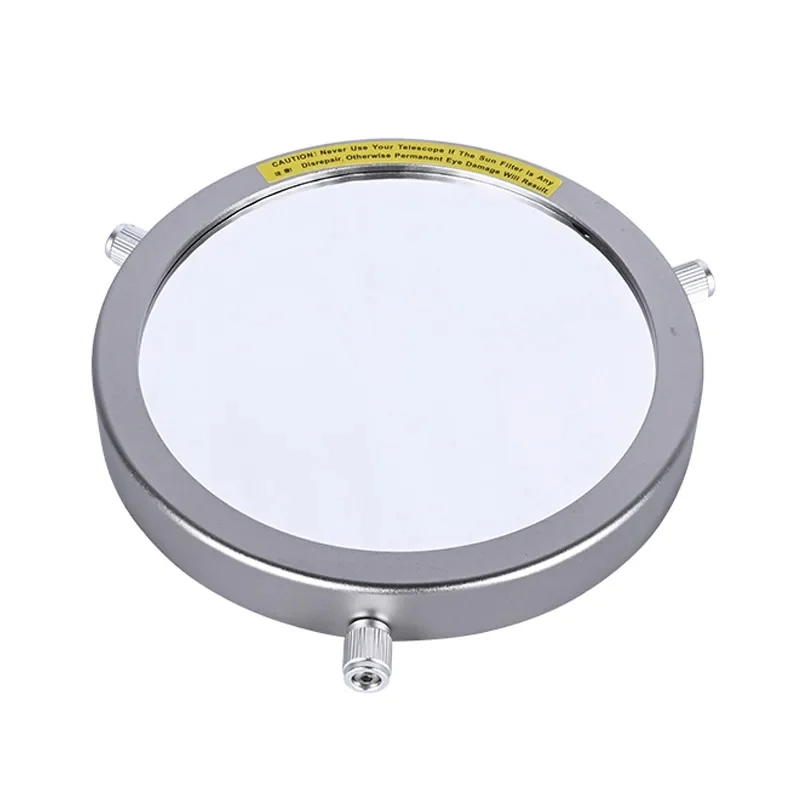
Diâmetro fixo 50mm a 225mm liga de alumínio Filme solar filtro
Ver DetalhesWhat Goes Wrong Without the Right Astronomy Mirror
- A mismatched primary mirror causes spherical aberration and blurry images at the focal plane
- A secondary mirror with incorrect minor axis dimension cannot align properly with the optical axis
- An uncoated or poorly coated mirror reduces light reflection and lowers image brightness
- A mirror with insufficient edge thickness may crack under thermal stress during telescope use
- Incorrect focal length prevents proper eyepiece or camera focus in the optical train
Quem Compra Desta Categoria
- DIY telescope builders assembling Newtonian or reflector designs
- Astronomy hobbyists upgrading or replacing mirrors in existing telescope systems
- Instituições educativas que ensinam óptica e mecânica de telescópios
- Small-scale telescope manufacturers sourcing component-level mirrors
- Amateur astronomers replacing worn or damaged mirrors in their instruments
Por Que Estes Itens
- Parabolic and spherical primary mirrors are machined to 1/6 PV or better for accurate light focus
- Aluminum reflective coating with silica protective film maintains high reflectivity over time
- Secondary mirrors supplied with correct minor axis dimensions to match the primary mirror
- Mirrors available in standard sizes from 51mm to 305mm diameter for common telescope calibers
- Focal lengths range from 219mm to 1600mm, supporting a variety of telescope designs
Onde Estes São Usados
- Replacing a damaged primary mirror in a 127mm Newtonian telescope with a D127F900 unit
- Building a 305mm Newtonian reflector using the D305F1200 main mirror and matching secondary
- Aligning a 150mm parabolic mirror (D150F750) with a 35mm minor axis secondary for a high-precision setup
- Using a D76F700 primary mirror group in a compact DIY astronomical telescope
- Matching a 203mm spherical mirror (D203F1600) with a 40mm minor axis secondary for a large reflector
Antes de pedir
- Compare the Astronomy Mirror models on the figure that decides the job, not on the headline magnification
- Confirme a dimensão da interface contra o equipamento que já possui antes de encomendar
- Enviar a tarefa, bem como o número do modelo para que a configuração possa ser verificada
- Solicitar confirmação por escrito de qualquer valor de que uma proposta ou auditoria depende
Perguntas frequentes
What is the difference between a parabolic and spherical primary mirror?
A parabolic mirror corrects spherical aberration and focuses light to a single point, while a spherical mirror introduces slight aberration but is easier to manufacture and suitable for shorter focal ratios.
Can I use a secondary mirror from another brand with these primary mirrors?
Only if the minor axis dimension and shape (elliptical or plane) match the primary mirror's design. Mismatched dimensions cause misalignment and image distortion.
What does 1/6 PV mean in mirror specifications?
PV stands for Peak to Valley, a measure of surface accuracy. 1/6 PV means the mirror surface deviates from the ideal shape by no more than one-sixth of a wavelength of light, indicating high precision.
Are the mirrors coated before shipping?
Yes. All mirrors are aluminized with a protective silica film to prevent oxidation and maintain reflectivity.
Can I order just the secondary mirror without the primary?
Yes. Secondary mirrors are sold as standalone components in this category.
Get A Price On Astronomy Mirror
Envie os números do modelo que você está considerando, ou descreva a tarefa e deixe-nos listá-los para você.