
Laboratory Biological Microscope
Laboratory biological microscopes designed for routine inspection and teaching tasks in life science and educational settings. Available in monocular, binocular and trinocular configurations with adjustable interpupillary distance and 30° inclined viewing heads.
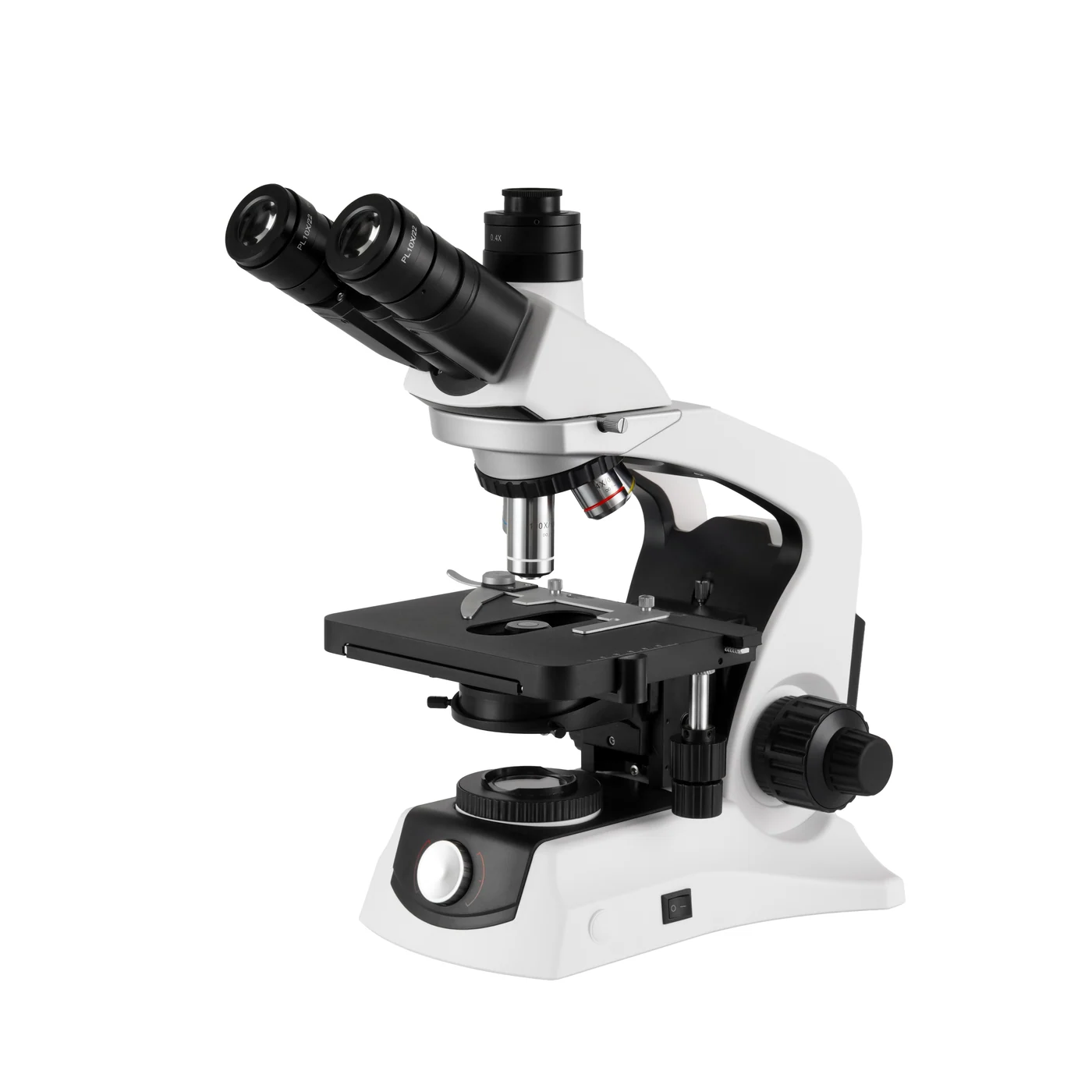
A laboratory biological microscope provides upright, magnified visual access to transparent or stained biological specimens such as cells, tissues and microorganisms. The models in this range feature finite color-corrected optical systems, 30° inclined viewing heads with adjustable interpupillary distance from 48mm to 75mm, and options for monocular, binocular or trinocular observation. The design supports both standard and wide-angle eyepieces, and some models include a photographic eyepiece for image capture.
Choose the Laboratory Biological Microscope Family
4製品XUBシリーズ
モノラル、双眼鏡およびtrinocularの観察の頭部、調節可能なinterpupillaryの間隔および30°傾斜する360°回転可能なSedentopfの管が付いている病院の研究および教授の適用のために、設計されている実験室の生物顕微鏡。
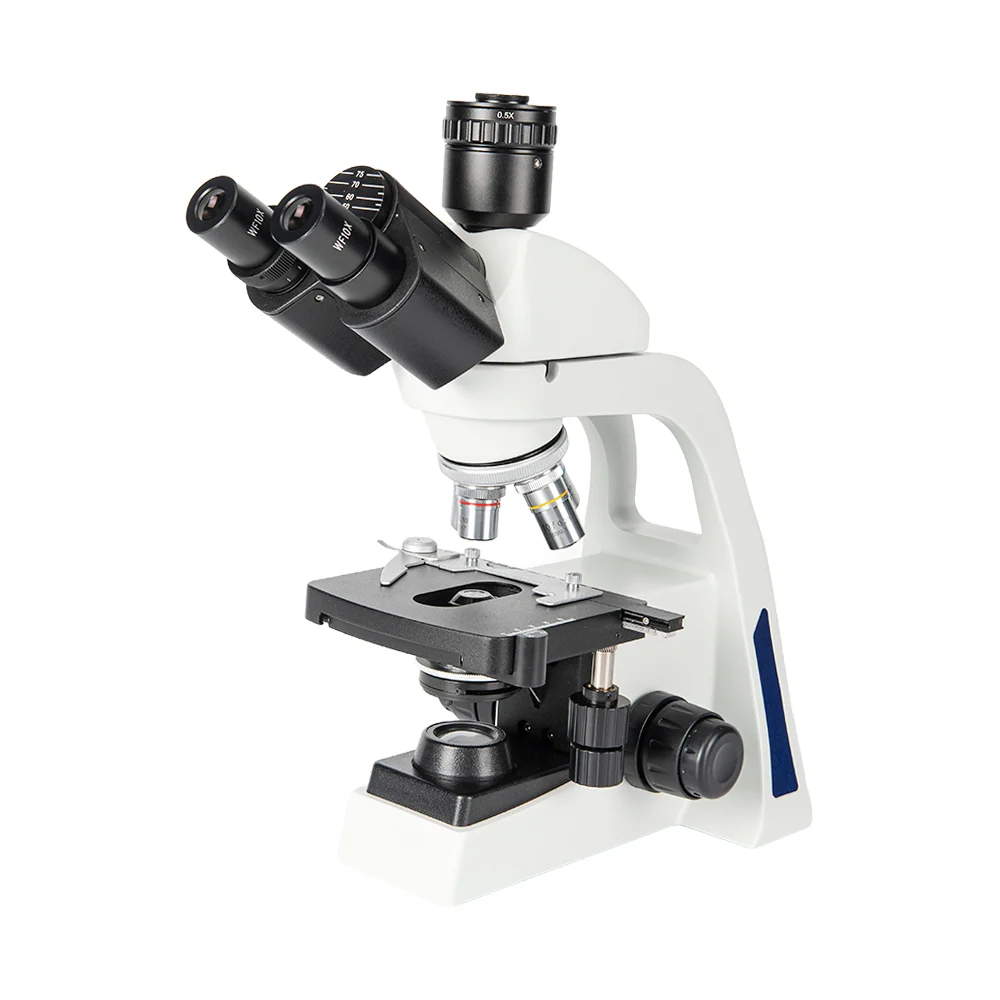 8製品
8製品XABシリーズ
有限および無限光学システムが付いている実験室の生物顕微鏡は、双眼鏡およびtrinocularの観覧の頭部、交換可能な目的および教授、研究および品質管理の環境の定期的なそして詳しい標本の分析のための機械段階を提供します。
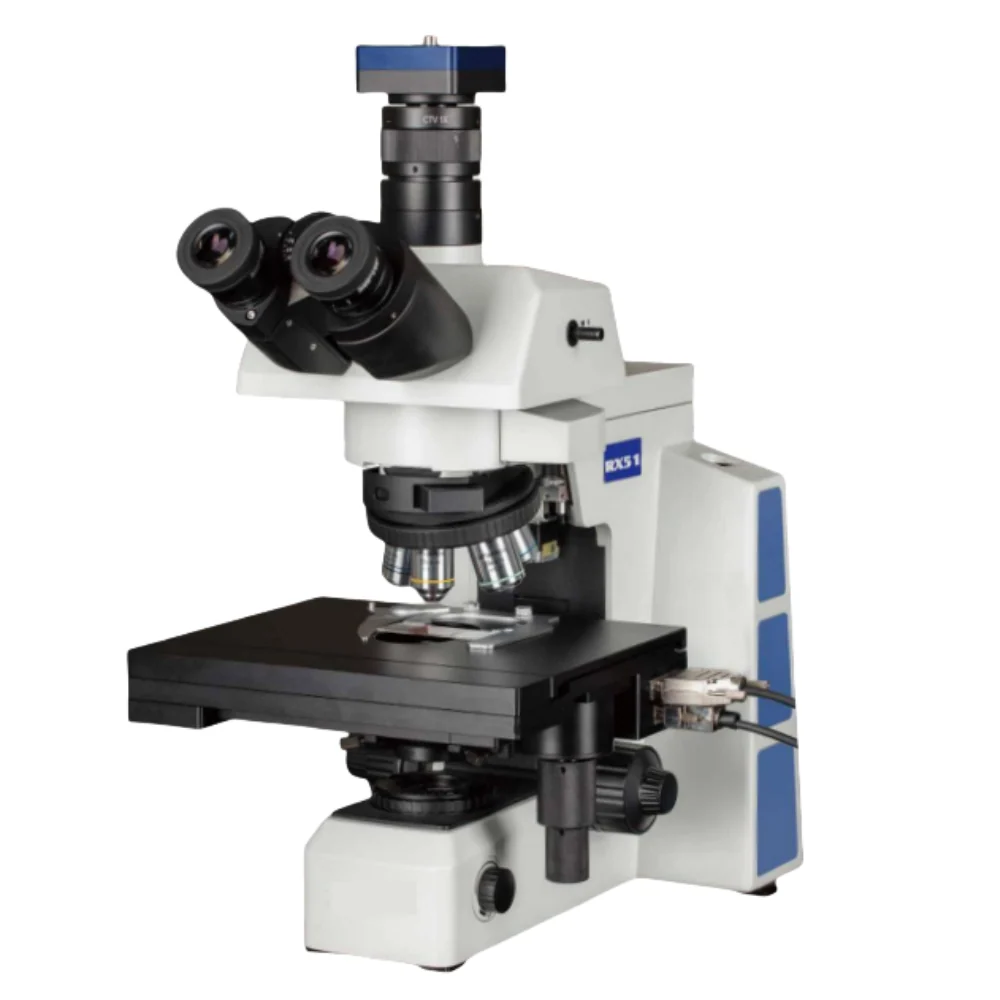 12製品
12製品その他のシリーズ
定数および可変的な拡大構成の定期的な点検、教授および臨床サンプルの分析のための実験室の生物顕微鏡。
What Goes Wrong Without the Right Laboratory Biological Microscope
- A fixed-angle head forces users to strain their neck when viewing over long periods
- Non-adjustable interpupillary distance causes eye fatigue or double vision in users with different eye spacing
- Lack of a trinocular port prevents connection to a camera for documentation or teaching
- Standard eyepieces limit field of view, making it hard to locate small features in large samples
- Inadequate illumination control leads to overexposure or underexposure in thick or dense specimens
このカテゴリから購入する人
- Teaching laboratories in secondary schools and universities conducting biology and life science classes
- Clinical and veterinary labs performing routine blood smear and tissue section analysis
- Research labs doing basic cell culture observation and microbial examination
- Quality control stations in pharmaceutical and biotech labs inspecting sample purity and consistency
なぜこれらの項目
- 30° inclined viewing head reduces neck strain during prolonged observation sessions
- Adjustable interpupillary distance from 48mm to 75mm accommodates users with different eye spacing
- Finite color-corrected optical system delivers consistent image clarity across magnification levels
- Trinocular option allows direct connection to a digital camera for image capture and documentation
- Wide-angle eyepieces (WF10X/18mm, WF16X/14mm, WF20X/10mm) increase field of view for easier sample navigation
これらが使用される場所
- Observing a blood smear slide where the user needs to scan the entire field without moving the slide
- Teaching a class on cell structure where multiple students view the same sample via a trinocular port
- Documenting a microbial culture growth pattern using a camera connected to the trinocular head
- Inspecting a stained tissue section under 40X magnification with minimal eye strain over a 30-minute session
注文する前に
- Confirm the interpupillary distance range of your users matches the model's adjustment range (48mm-75mm)
- Choose a trinocular model if you need to connect a digital camera for image capture or teaching
- Select a wide-angle eyepiece (WF16X or WF20X) if you work with large samples or need a broader field of view
- Ensure the microscope stand has sufficient space for the camera and any additional accessories
よくあるご質問
Can I use a trinocular model with a digital camera?
Yes. Trinocular models include a port for attaching a camera or microscope digital imaging system.
What is the interpupillary distance range on these microscopes?
The interpupillary distance is adjustable from 48mm to 75mm, suitable for most adult users.
Do these microscopes come with an eyepiece?
Yes. Standard configuration includes a WF10X / 18mm wide-angle eyepiece. Optional eyepieces are available.
Can I upgrade a monocular model to a trinocular one?
No. The trinocular head is a separate component and not available as a retrofit for monocular models.
What is the optical system type?
All models use a finite color-corrected optical system, suitable for routine biological observation.
Get A Price On Laboratory Biological Microscope
あなたが検討しているモデル番号を送ったり、タスクを記述したり、私たちはあなたのためにそれらをショートリストしてみましょう。